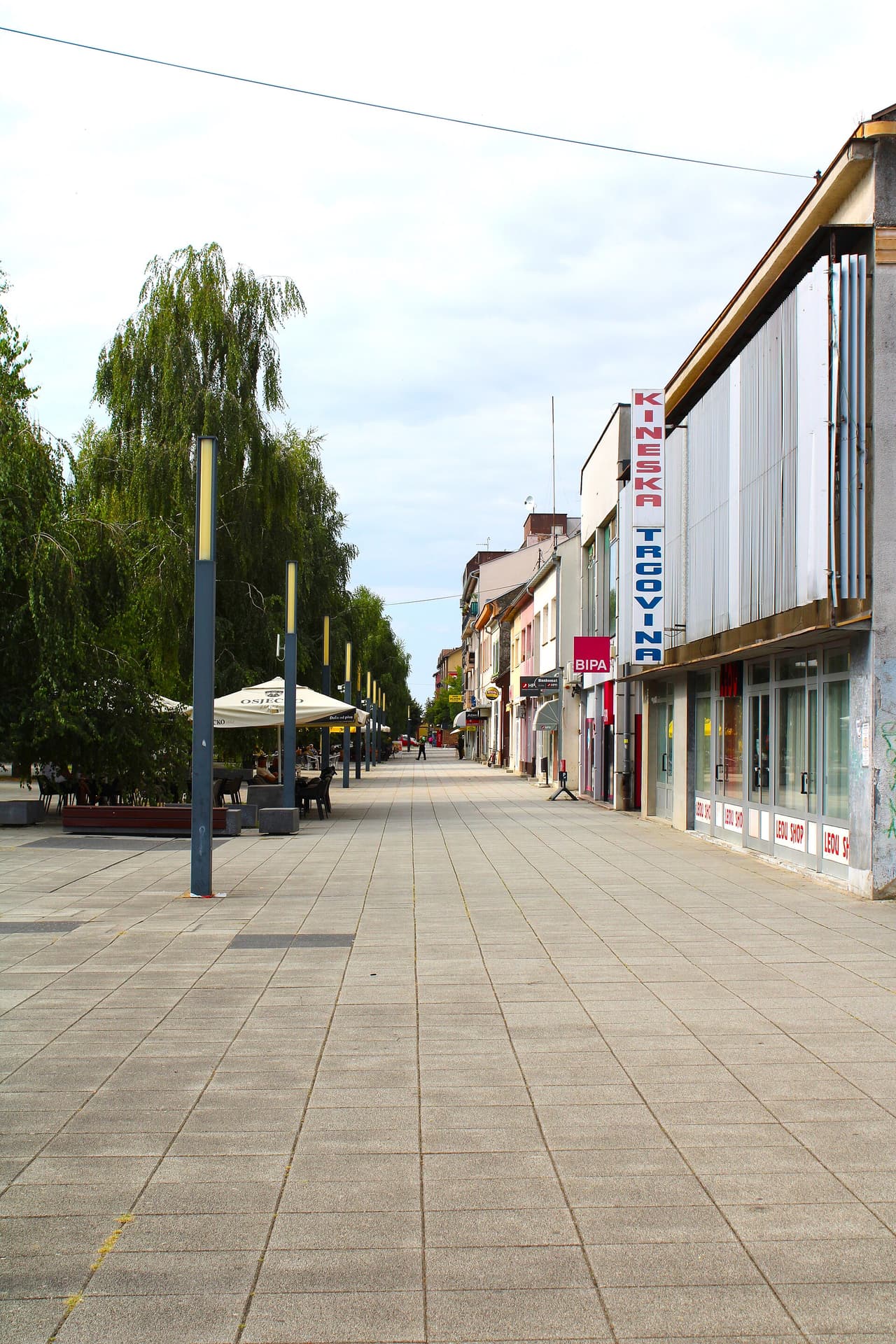
Households in the Baranja region will pay 14.5 per cent more for waste collection from 1 August. The new tariff, approved unanimously at a meeting of the Barańska Čistoća board on 15 July, applies to all local government units where the company provides services.
The most significant change concerns the calculation of the variable component of the fee, which depends on the number of collections of mixed waste. The company is introducing an incentive model: those who choose two collections a month and practice home composting will pay 9.99 euros a month, which Baranjska čistoća describes as one of the lowest prices in Croatia.
Users with two collections a month who do not compost will pay 11.20 euros, with each additional collection above that charged at 3.39 euros. The company published the new tariff on its Facebook page.
The price hike has triggered political reactions. The local branch of the SDP in Beli Manastir claims that the price for four monthly collections without composting has tripled compared to 2017. "This dramatic price increase raises a number of questions about the transparency, rationality and quality of management of this municipal company," said the head of the local branch, Marko Bogatić.
The SDH states that Baranjska čistoća had 60 employees in 2017, but now has more than 80, and notes that the company has lost work in the municipality of Bilje, along with the associated revenue of several hundred thousand euros. They also highlight the calculation of containers in multi-family buildings, where residents are charged for a 120-litre container despite using a shared 1,100-litre bin.
The opposition challenges the waste separation results, stating that the rate of separated waste in Beli Manastir is 12 per cent, whereas the most successful cities in Croatia exceed 50 per cent, meaning that municipalities pay penalties to the Fund for Environmental Protection and Energy Efficiency.