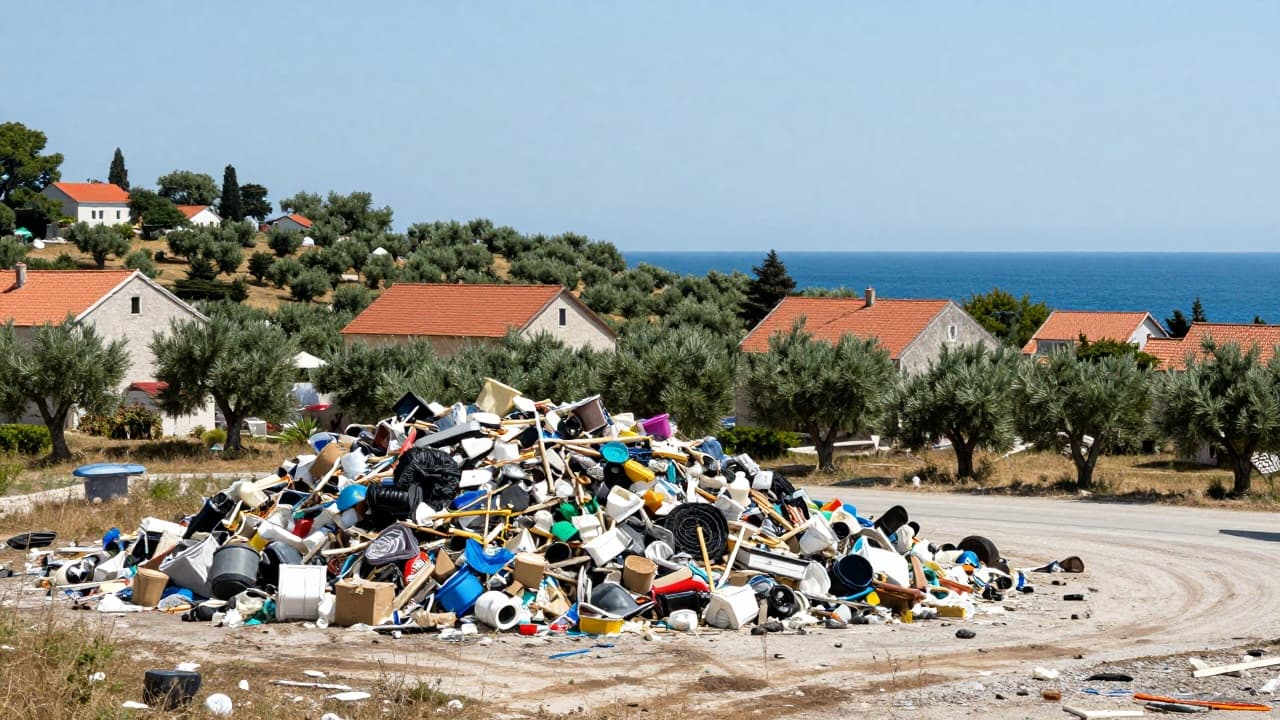
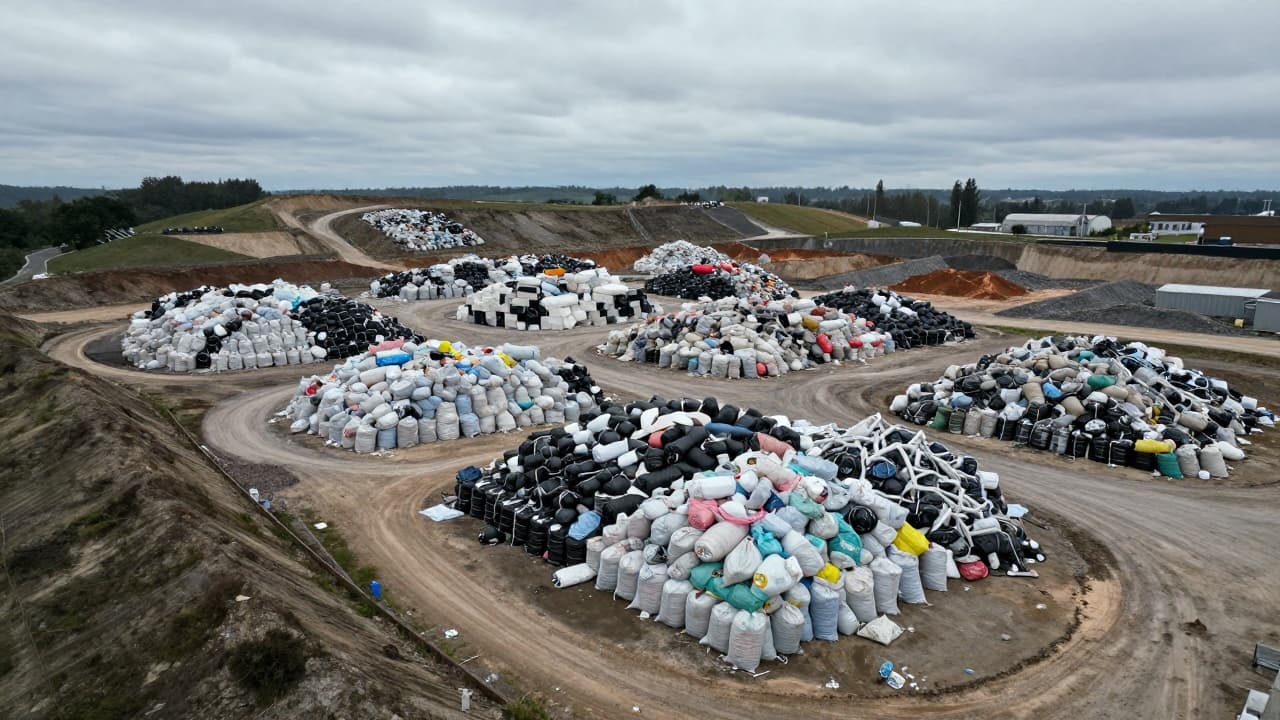
The disposal of a large quantity of ecotoxic waste in Lika could cost as much as 100 million euros, according to expert calculations. The complex near Gospić contains a total of 35,000 tonnes of waste with the catalogue code HP14, which indicates its high level of ecotoxicity. This waste poses a serious environmental risk as it contains substances that destroy soil microorganisms, reduce soil fertility, and whose toxins do not break down easily but accumulate in plants and animals.
The Environmental Protection and Energy Efficiency Fund has already responded by issuing a public tender for the urgent removal of 5,000 tonnes of bulk waste and waste in big bag containers from the surface. This part of the work, which relates exclusively to material that is not buried, is estimated at 5.1 million euros. The remaining more than 30,000 tonnes of waste is deeply buried in the ground, significantly complicating and increasing the cost of the entire remediation operation.
Due to the specific catalogue code HP14, waste from Lika can only be disposed of at hazardous waste landfills. The cost of disposing of one tonne of such material is 1,500 euros, with additional transport costs of 30 euro cents per kilometre for one tonne. As Croatia has no incinerators nor the capacity for physico-chemical waste treatment, it is necessary to separate soil mixed with hazardous plastic and send that plastic for incineration in incinerators within the European Union.
Exporting the waste abroad faces additional challenges as incinerators in the EU have occupied capacities for the next one to three years. The cost of incineration itself in these facilities ranges from 1,000 to 3,000 euros per tonne, further straining the budget. The situation is complicated by historical oversights, given that the Special Waste Agency, established in the early 90s, has since been closed.
According to the model then adopted from Denmark, there should have been one waste incineration centre in Slavonia, with the justification that the soil in that part of the country contains impermeable clay. However, the soil south of Karlovac, where the Lika complex is located, does not have this characteristic, which led to an inadequate disposal solution. According to that historical model, counties were also supposed to have an obligation to collect waste, which was not sufficient to address a problem of this scale.
NOTE: previous translation was rejected (digits lost/corrupted: ['90']). Translate again, strictly: keep every number exactly as in the source, never add figures, examples or explanations of your own, and keep the same paragraph structure.