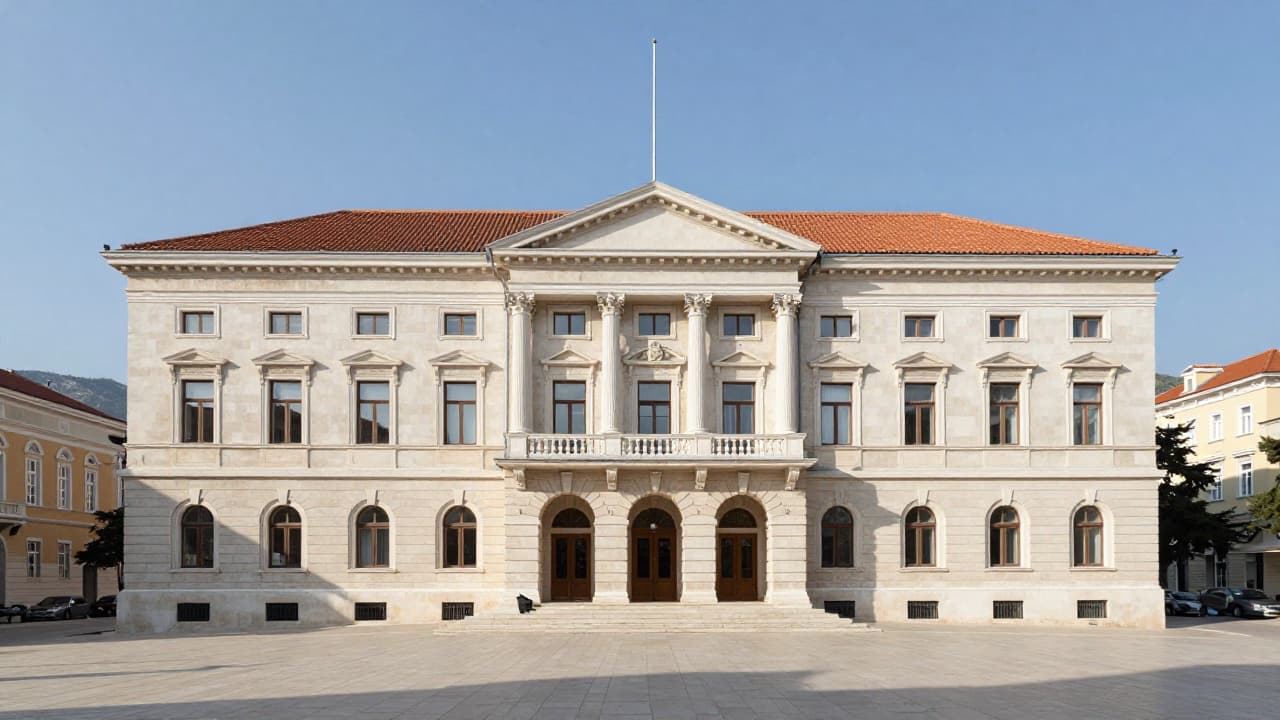
Maintaining the historic core of Dubrovnik is a particularly demanding task, with around 20 staff working in the morning and afternoon shifts during the most intensive period. The director of Čistoća Dubrovnik, Mihaela Mikulanda, states that there is no room for a shortage of staff in the historic core, as everyone has their own specific role.
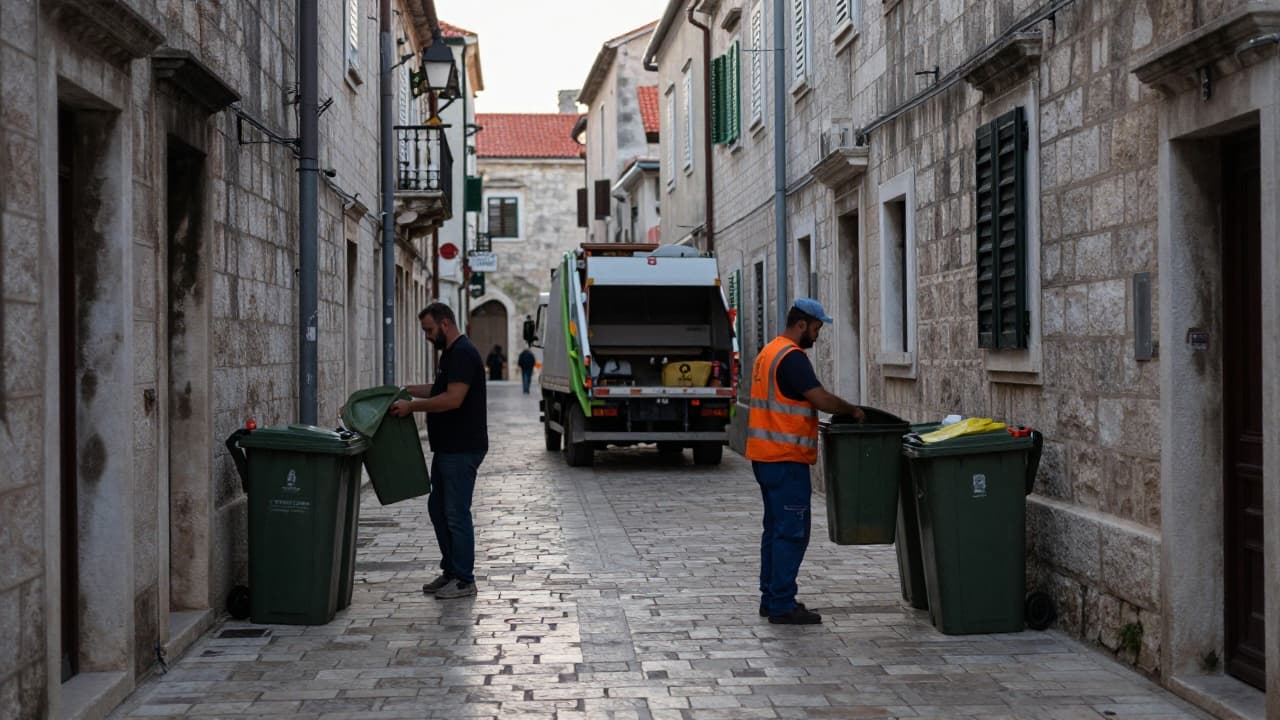
The 20 staff members are distributed across the historic core, both in the morning and afternoon. All staff arrive before 5 a.m. due to the volume of work in the morning hours. The morning in the historic core begins with the removal of bins from catering establishments: restaurants and other hospitality venues have their own bins, which staff from Čisto must take out, after which trucks for waste collection arrive.
During the school term, from 7:30 to 8:00, trucks are not allowed to enter or exit the city for the safety of children, and everything must be completed by 8:30. A truck for mixed waste enters first, followed by a truck for cardboard. By 8:30, all special vehicles have exited.
During the day, smaller trucks for collecting municipal waste enter the historic core multiple times – around 13:00, in the afternoon, and again in the evening. There are 55 bins for small waste in the historic core, which are emptied by Čisto approximately every 40 minutes. A single bin can be emptied up to 15 times during the day. A further 597 bins are located in the rest of the administrative area of the city of Dubrovnik.
From June to the end of October, six staff members wash the Stradun daily. Between 9 and 10 cubic metres of water are used for one daily wash. One day, the Stradun and one side of the surrounding streets are washed; the next day, the Stradun and the opposite side of the surrounding streets are washed, and so on alternately. The streets are washed up to St Mary's and to Pelin, with the washing taking place every day except on Saturday night.
Between 980 and 1,000 tonnes of mixed waste are removed annually from the historic core. Paper and cardboard packaging are collected separately, with around 215 tonnes collected annually. Some 98 per cent of this paper and cardboard comes from legal entities, i.e. from business entities.