
The Istrian entrepreneur Golević was placed at the centre of a major anti-corruption operation, named 'Ipsilon', in October 2009. He was accused of creating a corruption network in which police, customs, and tax officials were implicated, along with the then Pula district public prosecutor, Davorka Smoković. After spending a month in pre-trial detention in Rijeka, he was released on bail, and in 2011 was found guilty, receiving a sentence of one year and ten months.
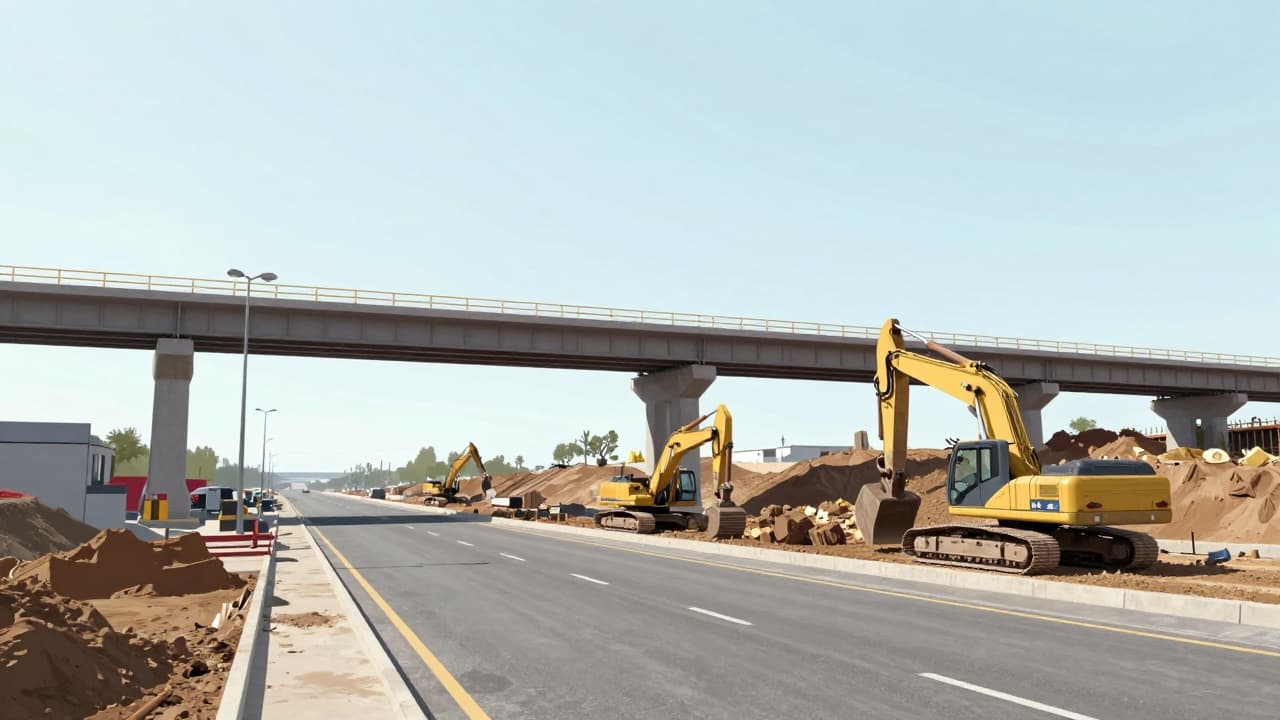
Golević moved to Istria in 2002, when he opened the company Istra Rustica in the village of Varbar near Poreč. He built rural villas on a turnkey basis, and soon expanded his business to include the construction of luxury buildings and hospitality venues. The revenue from his companies was said to reach up to 10 million Croatian kuna annually.
According to the indictment, Elvis Drandić, the head of the Tax Administration in Pazin, informed Golević about the preparation and progress of tax inspections on the companies he owned. Smoković, in turn, received a white gold necklace in exchange for arranging a meeting between officials from the Pula Police Department and Golević.
Parallel to the corruption scandal, residents were already expressing dissatisfaction with the construction of the Kaštijun centre. The civic initiative 'No to Kaštijun' stated that the centre would become a European dumping ground. Boris Košara, a member of the initiative, said at a press conference that information was being fed to them in dribs and drabs, and that no one was saying a word about the dangers of releasing dioxins and furans into the air. He cited southern Italy as an example, where a bovine farm producing mozzarella was located near a incinerator, and where traces of dioxin had been found in the soil.
The initiative, led by Božena Benčić, warned of the lack of transparency in the project and the high costs of construction. They proposed that the alternative location be the area of the quarry in Kanfan, which is not in a water protection zone. Kaštijun has 13 sources of drinking water. The authorities dismissed the concerns, stating that the project was being carried out in accordance with legal regulations and environmental standards.
Around 200 residents who lived in the vicinity of the Rockwool plant blocked traffic on the route between Labin and Pazin for two and a half hours. Protesters, wearing T-shirts that read 'Rockwool is Killing Me', walked back and forth across the zebra crossing, effectively blocking vehicles. The residents wanted to express their dissatisfaction with the plant's operations and the increasingly severe air pollution. They said that with the arrival of autumn, the smoke became more noticeable, with an unpleasant smell that made breathing difficult, especially in the early morning hours.
The spokesperson for Rockwool, Anđelka Toto Orman, told Glas Istria that the plant's operations were not the cause of the protests, as measurements showed that all emissions were below the permitted limits. She described the protesters as extremists. She stated that a group of extremists, for whom the closure of the plant was the only acceptable outcome, were manipulating information by presenting fog as factory smoke. She added that many members of environmental associations were now holding political positions, and that they had used Rockwoel as an environmental issue.
Amidst all this, Pula was ranked as the city with the most expensive basket in the country in 2009. According to calculations by the Independent Trade Unions for September 2009, the cost of living for a four-person family in Pula was 7,222 Croatian kuna. Nearly 3,000 Croatian kuna was spent on food alone, with a significant portion of expenses covering housing, clothing, hygiene, and transport. The average net wage in Pula at the time covered only 80.3 per cent of the cost of living basket, while the figure was significantly higher in the rest of Croatia. The situation was even more difficult for pensioners and families without their own home, whose incomes barely covered basic living needs under the weight of constant price increases.