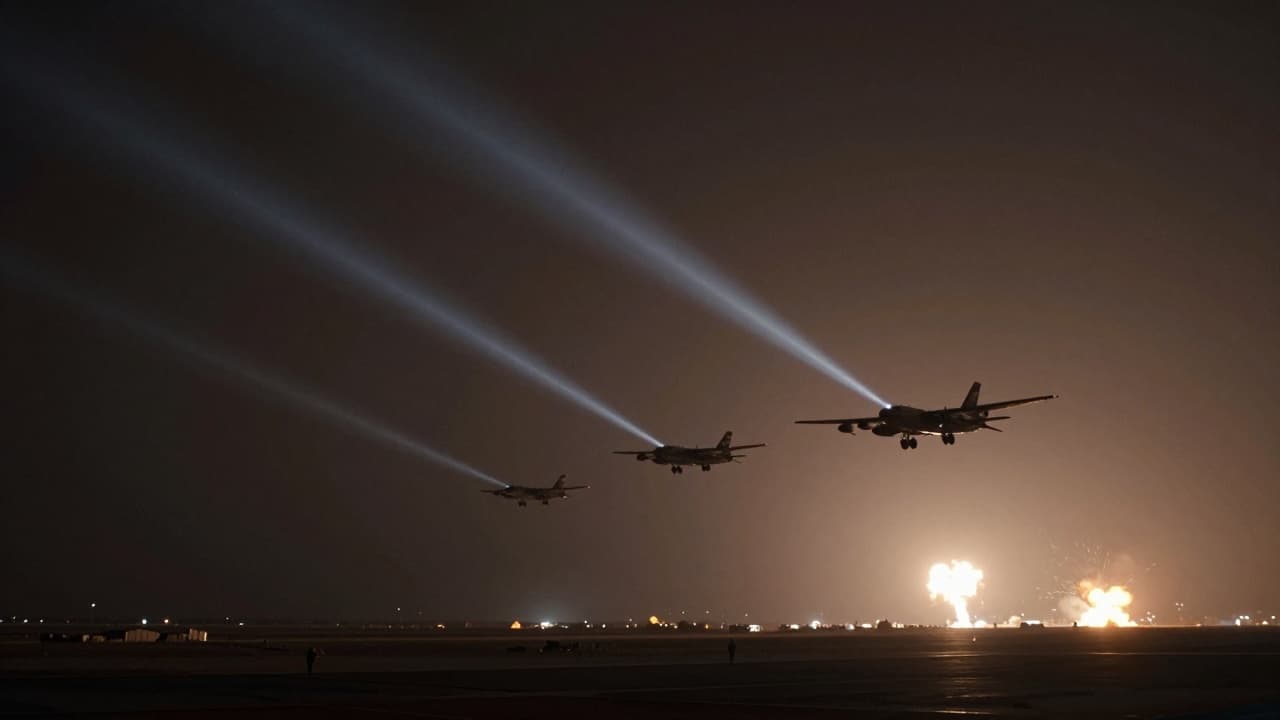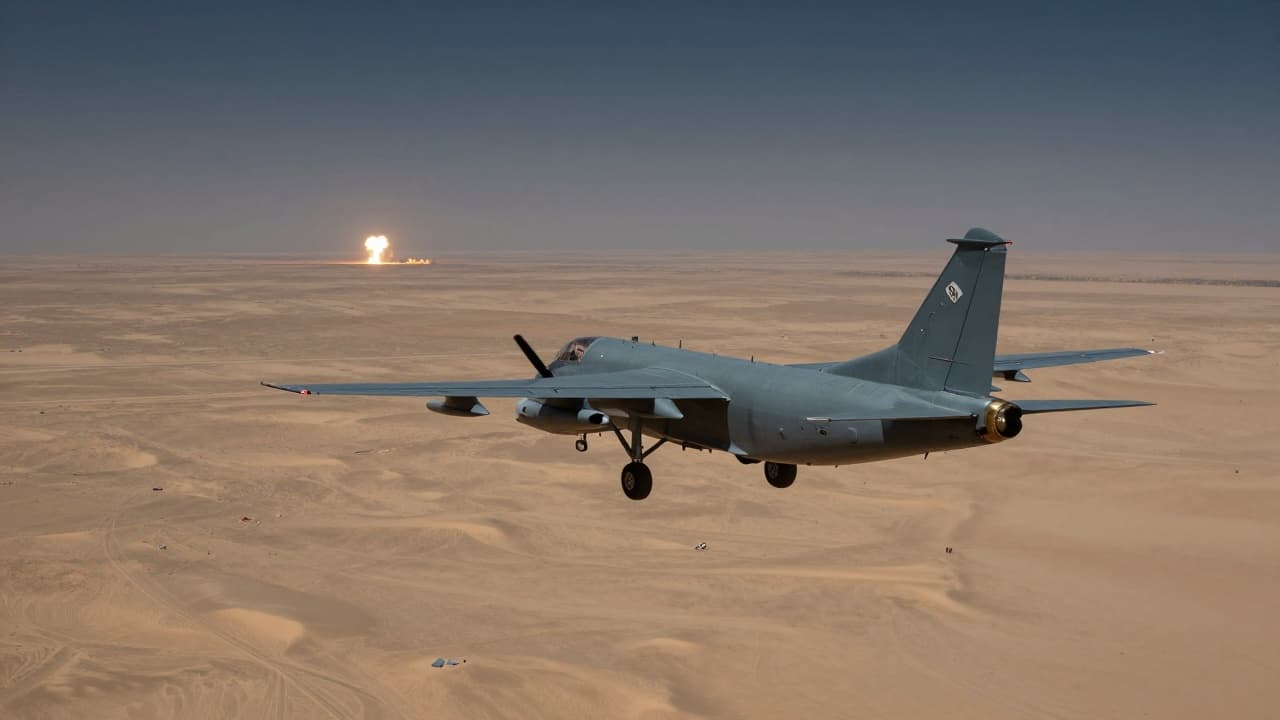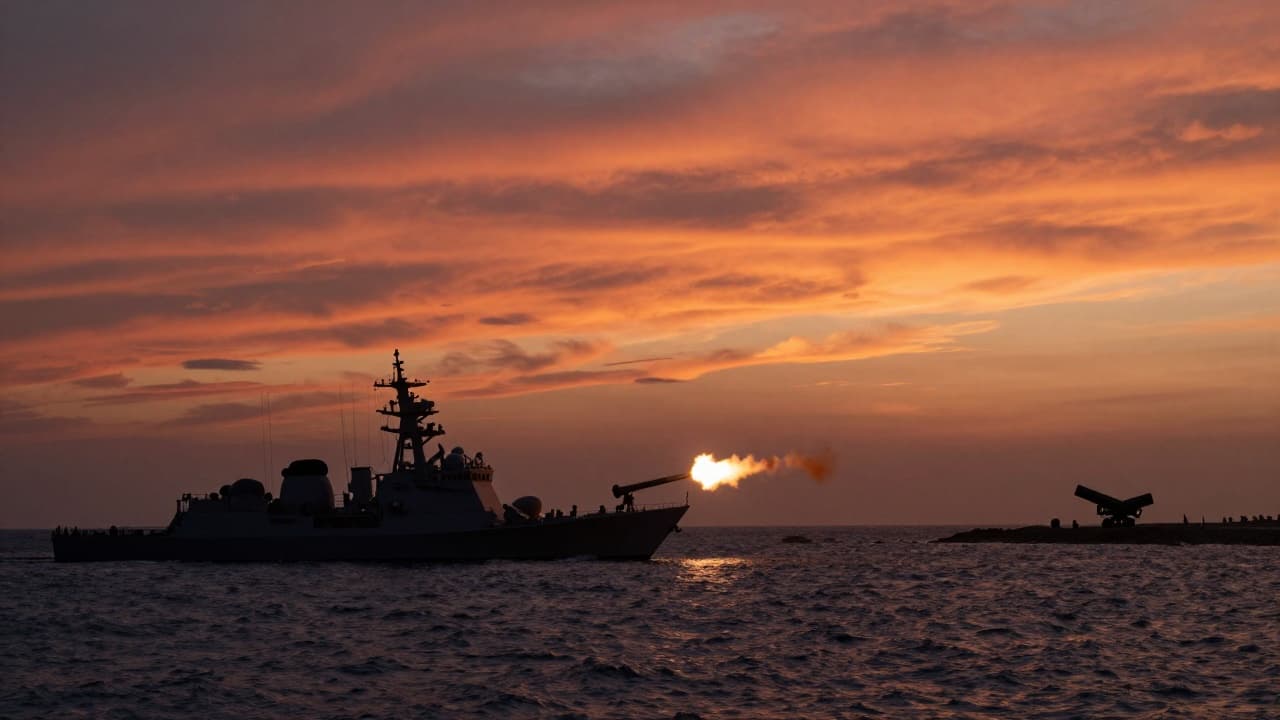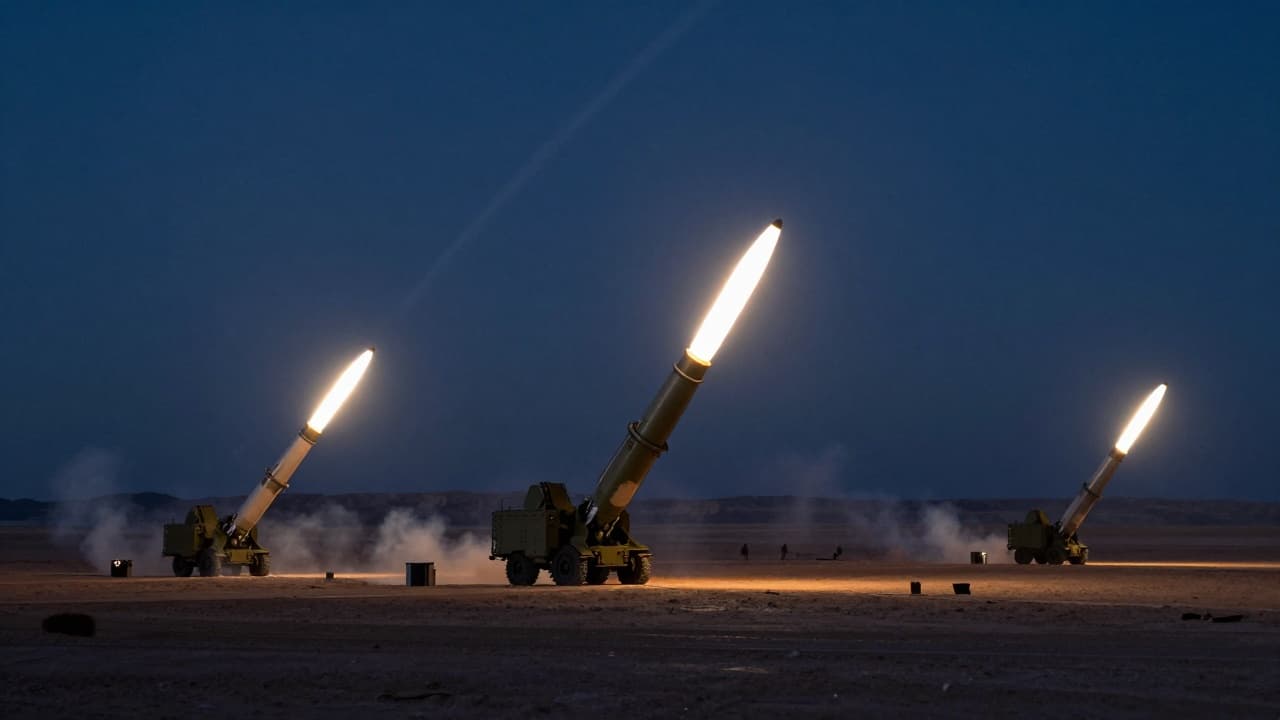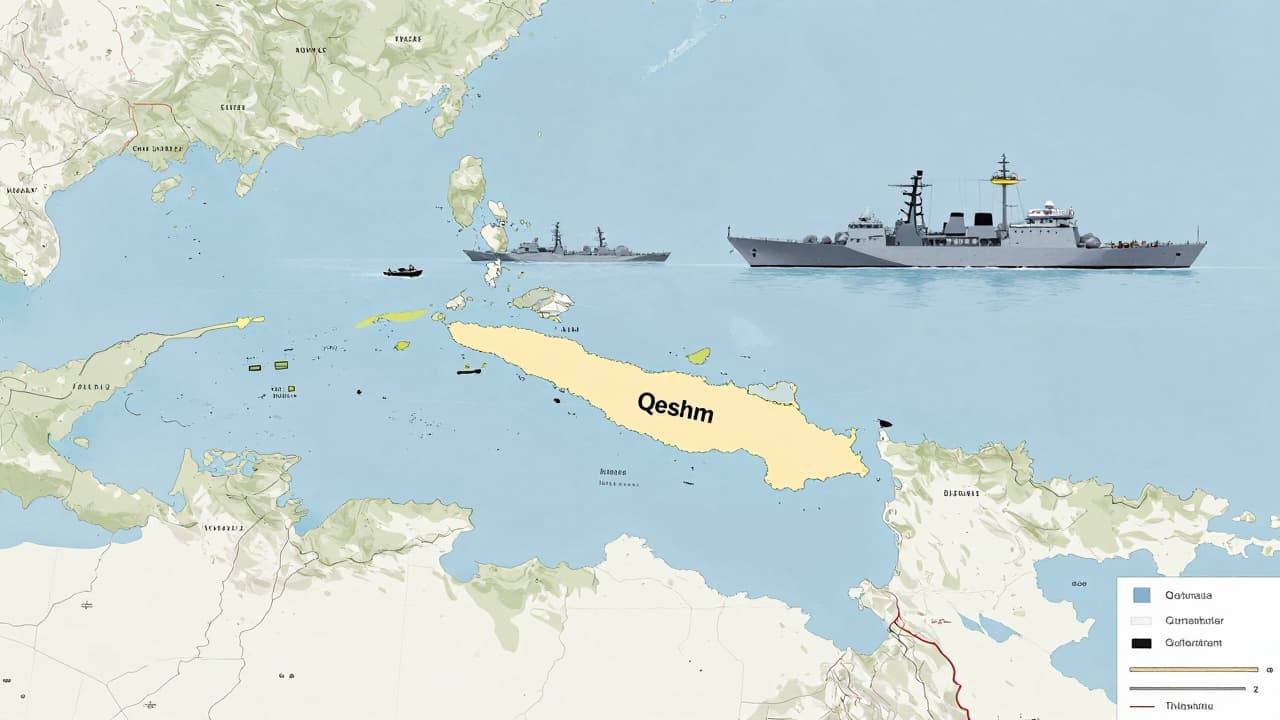
The United States carried out limited strikes on the Iranian island of Qeshm in the Strait of Hormuz, according to reports from US media. The strikes took place late on Monday, with the Wall Street Journal being the first to report on them.
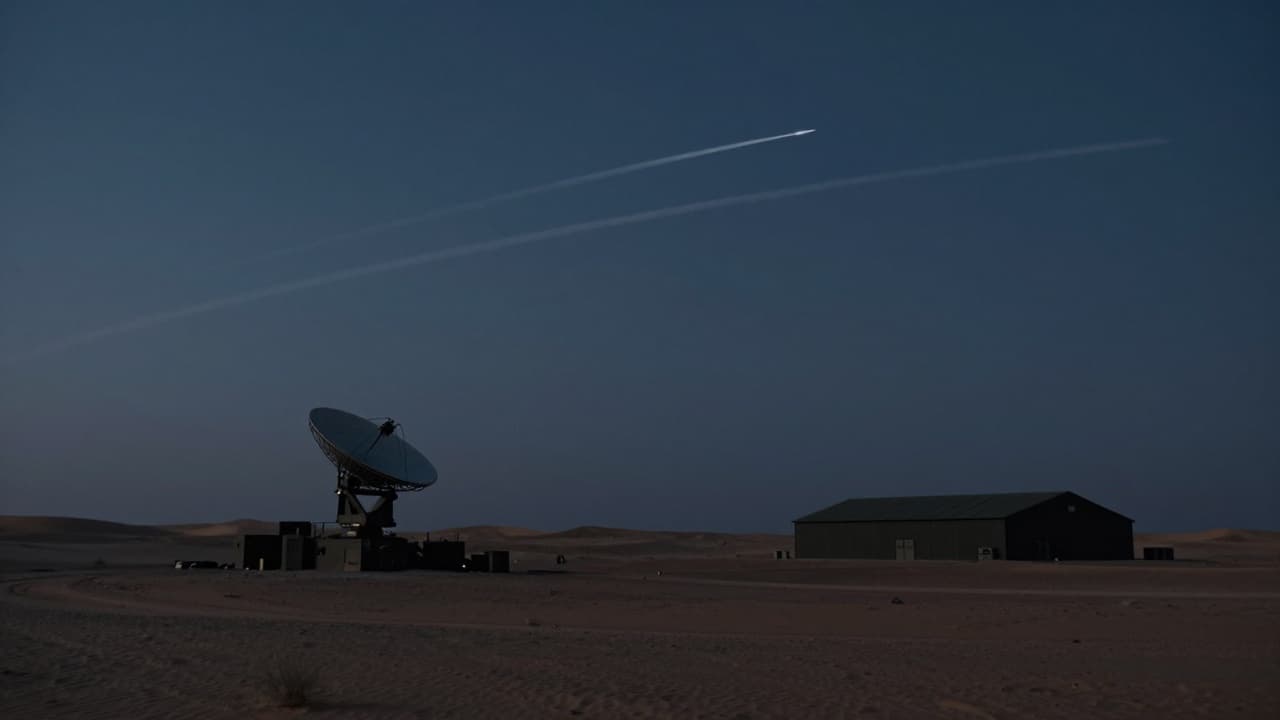
US officials told CBS, a BBC partner in the US, that the attacks were limited and defensive. According to Reuters and the Associated Press, the strikes targeted air-defence missiles that had been used against US assets. Officials described the attacks as a response to the Iranian Revolutionary Guard (IRGC) firing on a US aircraft. US Central Command did not immediately respond to a Reuters request for comment, and the BBC has contacted Centcom for comment.
Iranian state news agency IRNA reported several explosions on the island on Monday. According to Iranian state media, the explosions were heard on Monday evening, and local media described their cause as unclear. If the attack is confirmed, it would be the first publicly known US strike on Iran in weeks. The WSJ described the strikes as part of a series of attacks carried out on the country in recent weeks that have not been publicised, citing sources who suggest that recent strikes were conducted on a smaller scale and deliberately kept secret by the Trump administration so as not to signal an intention to continue the military campaign against Iran.
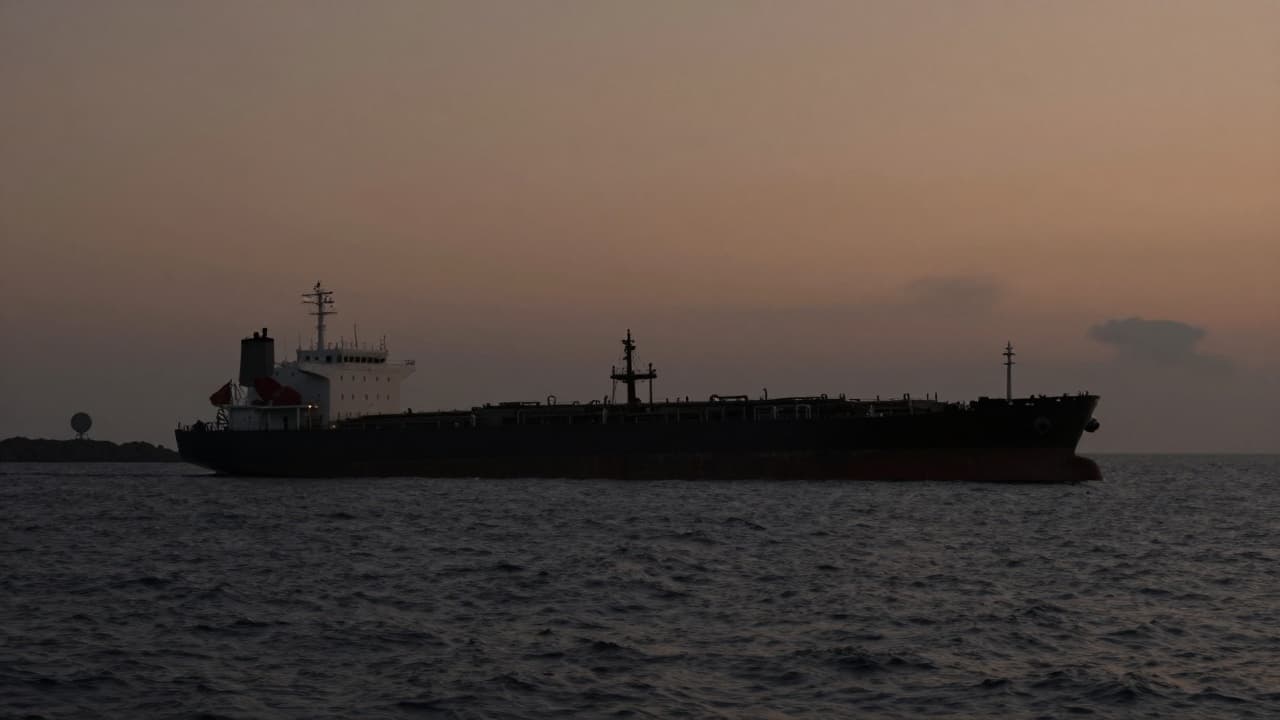
Qeshm island is located at the entrance to the Strait of Hormuz and has been targeted by the US multiple times during the war. The island has previously been used to launch attacks on shipping in that waterway. Despite the attacks ceasing in recent weeks, Iran has continued to enforce the closure of the strait by targeting oil tankers, container ships and other vessels attempting to pass through the waterway.
The strikes came ahead of US mid-term elections, which will determine whether Republicans or Democrats control Congress. Voters are expected to punish Donald Trump’s Republican Party for the cascading effect of the war on the cost of living in the US. Rising fuel prices caused by the war have become a key issue in the mid-terms, and polls show that voters are likely to punish Republicans for the impact on the cost of living. Trump faces falling poll numbers and pressure from his own party to end the war.
Earlier on Monday, Trump told reporters that he was in 'no rush' to escalate attacks on Iran. He told Axios: 'One way or another, we will do something, but there is no rush. We have financially crippled them.' He added: 'They have no money, they have no fuel, and their people are already very tired of it.' In an interview with Fox News ahead of the mid-terms, Trump said the US 'might need to go for Pickaxe', a site linked to the Iranian nuclear programme, adding that it was 'not a big deal' and could be done in 'one hour'. When asked by a reporter if that was the case, he said 'no'. When asked earlier on Monday if he had considered continuing attacks on Iran after Tuesday’s mid-term elections, Trump answered 'no'.
The strikes came hours after US Vice President JD Vance said he was optimistic that diplomatic efforts to end the war were heading in the right direction. Vance told reporters: 'The President and I both feel pretty good about the prospects for a possible negotiated resolution.' He added: 'We have certainly made some progress. We will see if we can make more.'
Iranian Foreign Minister Abbas Araghchi told IRNA that 'very intense' talks with the US were ongoing via mediators with the aim of ending the war. Araghchi said Tehran was ready for both a diplomatic and a military scenario 'more than ever before'. He conveyed that it was up to the US to choose between the 'wise path' of negotiations or the 'mistake of military aggression'.
In a Fox News interview hours before US polling stations opened on Tuesday, Trump continued to downplay the significance of the conflict and its effects on the US economy. He said: 'There is no raging war. It could happen if they do not reach an agreement, but they really want to reach an agreement and there is a very good chance we will reach an agreement.' In a final message of the mid-term campaign from Washington, he welcomed a sharp drop in oil prices that followed as his administration praised renewed diplomatic efforts to end the war. The war began when the US and Israel attacked Iran in February.