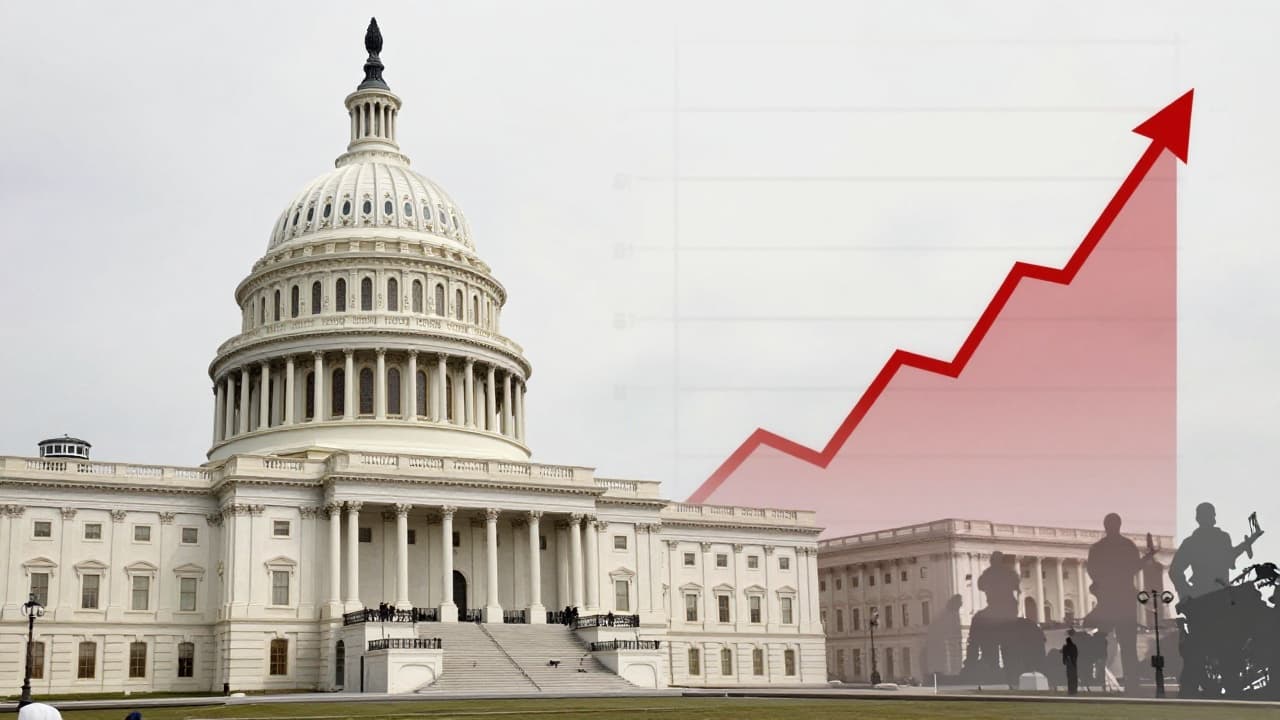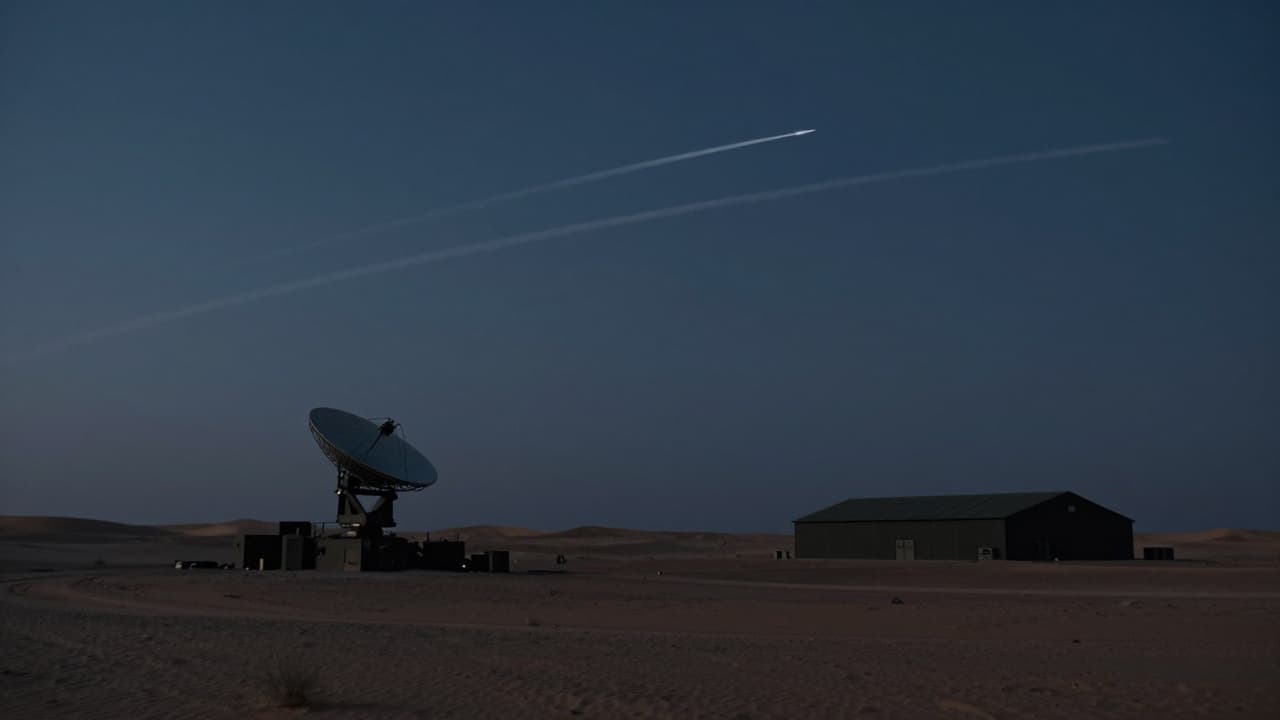
The United States carried out air strikes on targets in Iran for the third consecutive night, while President Donald Trump announced the restoration of a naval blockade on Iranian ports and a 20 per cent levy on all cargo passing through the Strait of Hormuz, according to the BBC.
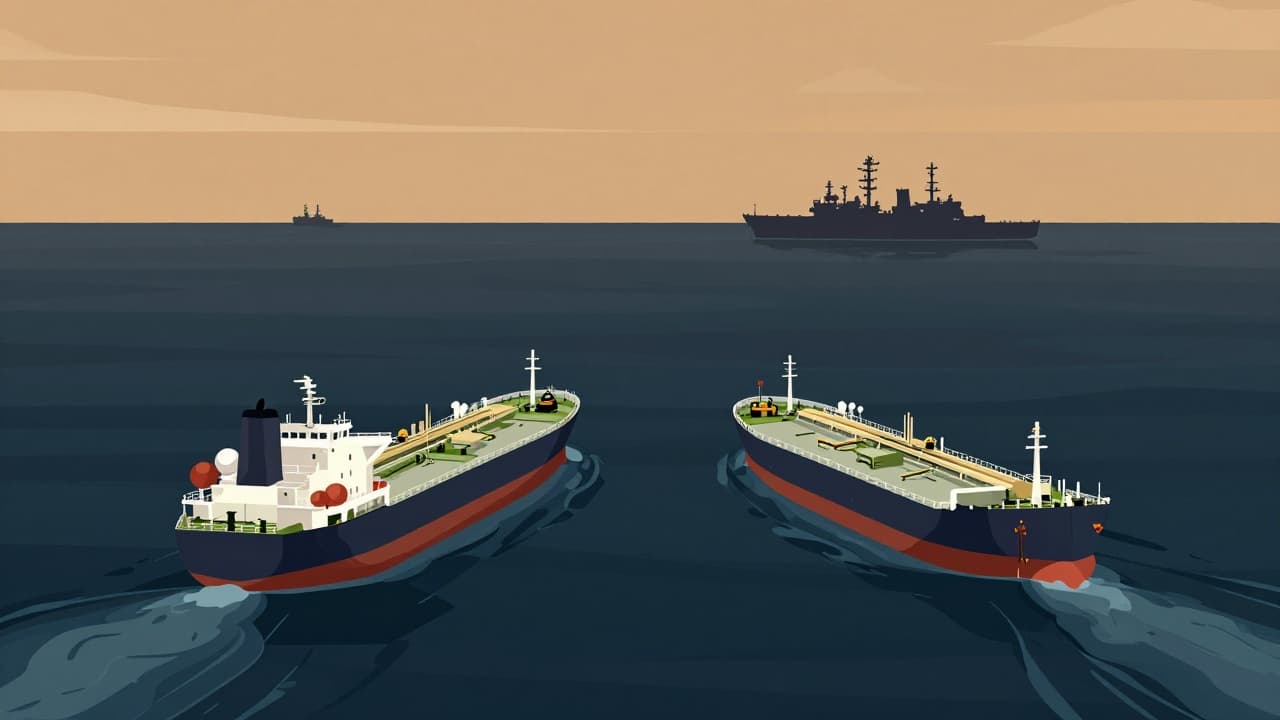
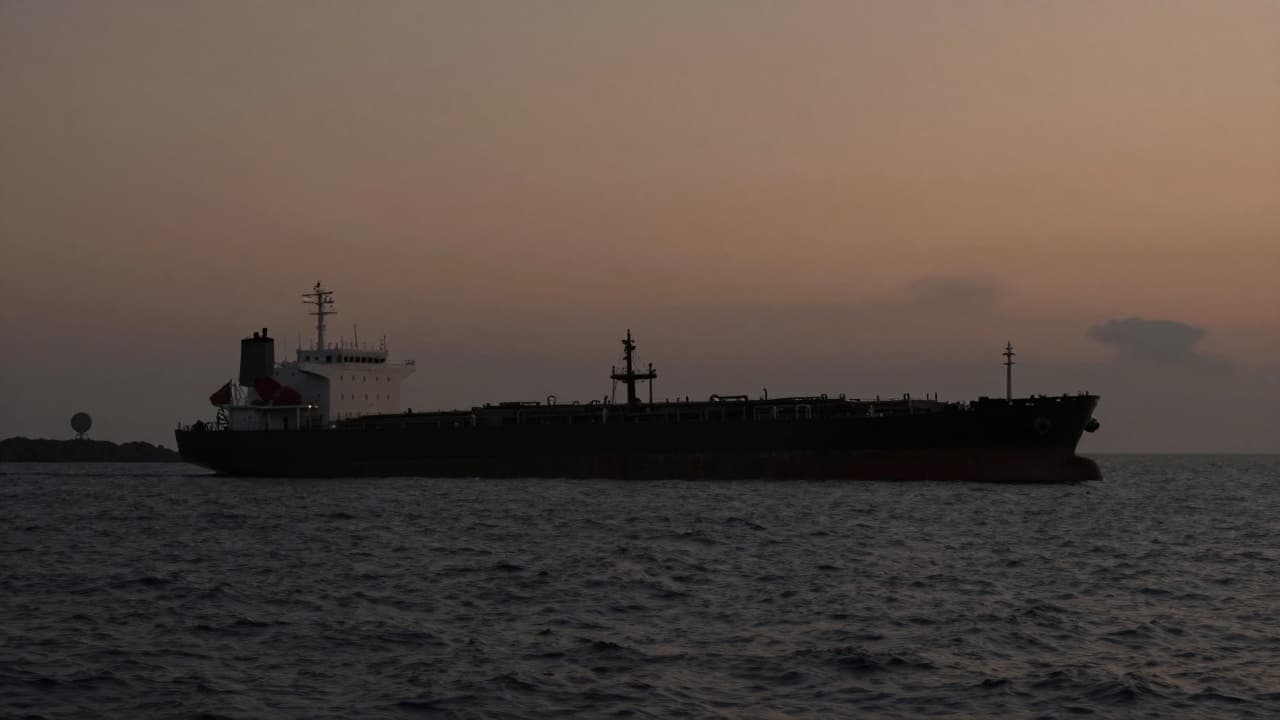
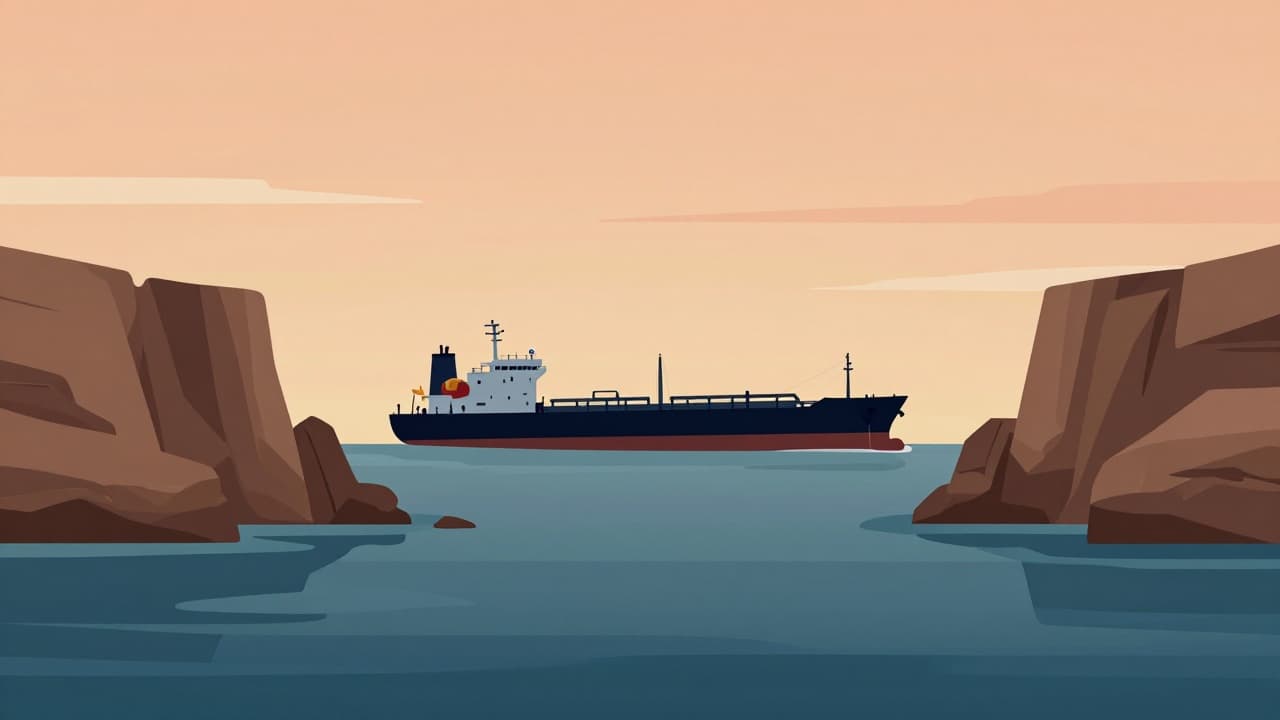
The escalation was further intensified by an attack on two United Arab Emirates tankers on Monday. According to a statement from the UAE Ministry of Defence, Iranian cruise missiles struck two national tankers, killing an Indian crew member and injuring eight people, four of them seriously. The ministry described the attack as "audacious" and assessed it as a serious violation of international law.
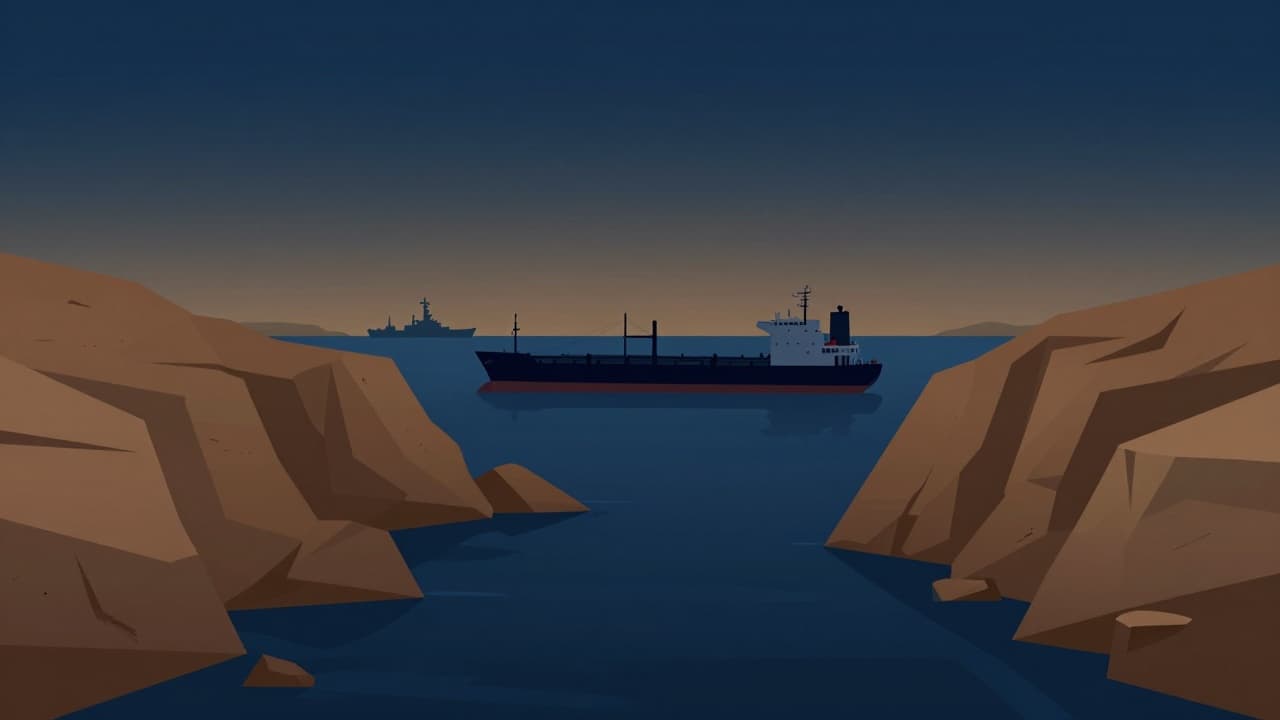
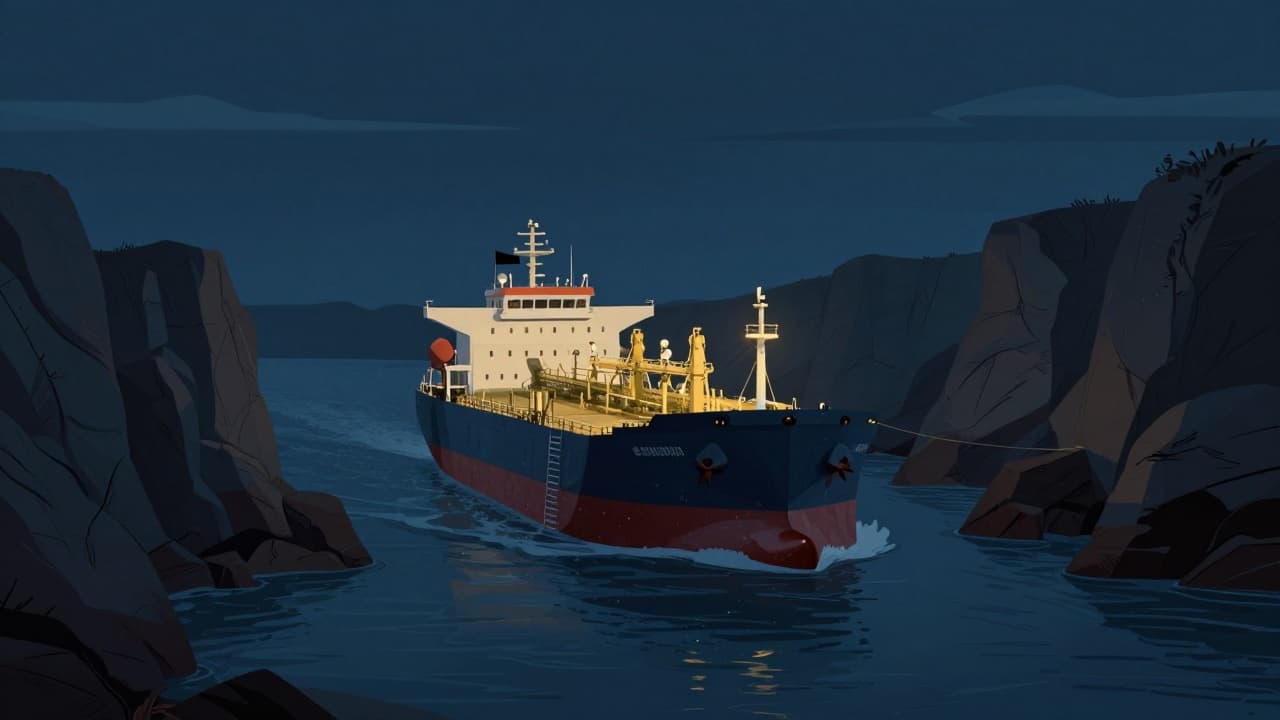
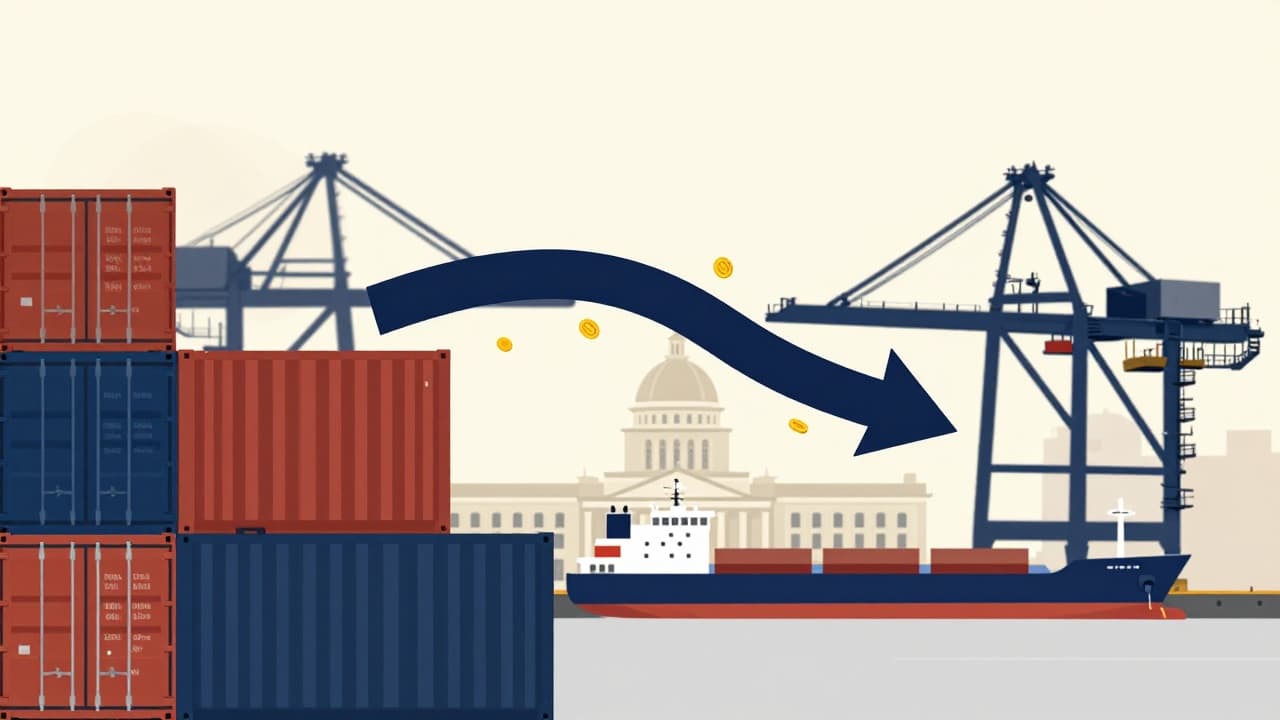
Trump posted on Truth Social that the US is reintroducing a blockade on Iranian ports and that a 20 per cent fee will be charged on all cargo in the strait, which he stated was to cover the costs of ensuring safe navigation. The blockade comes into force at 20:00 UTC on Tuesday, and other countries, he said, would retain a "fair and open" access to the strait.
"We are hitting them very hard," Trump told reporters at the White House, claiming that the US was destroying Iranian offensive capabilities and controlling the strait. When asked about negotiations, he replied that he still believed a deal with Tehran was possible.
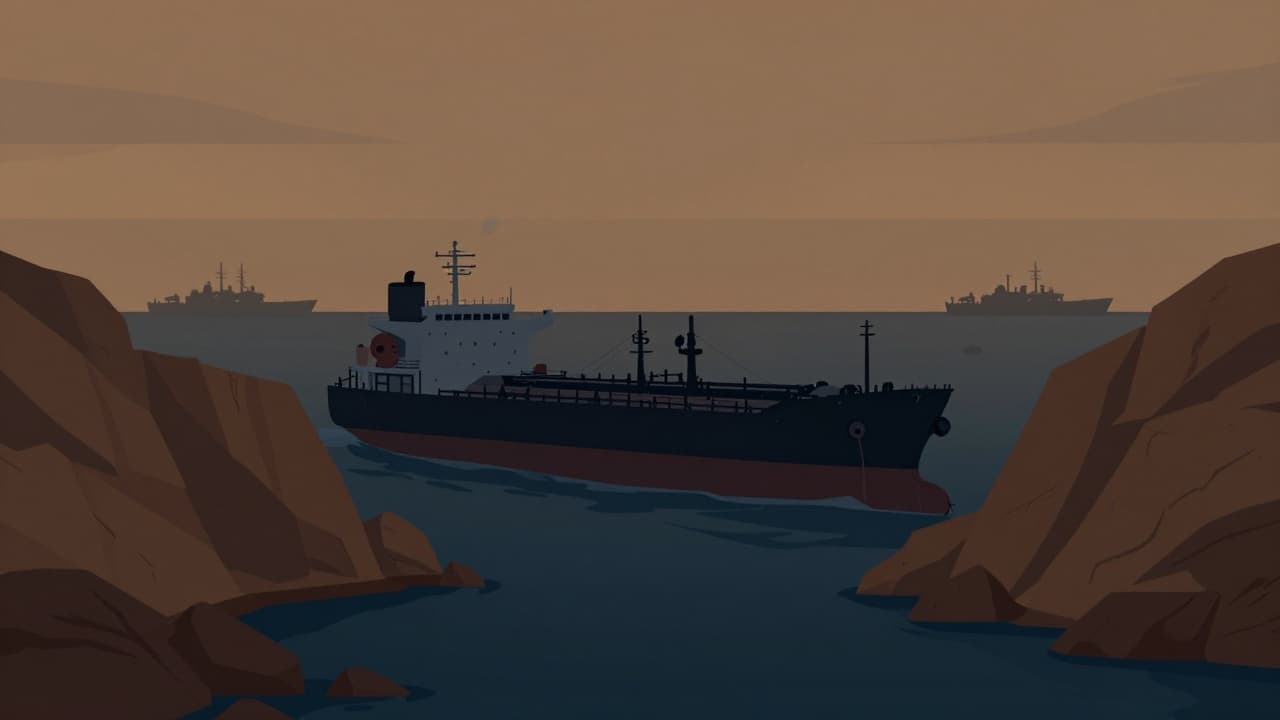
US Central Command (Centcom) stated that the latest strikes were launched on Monday at 16:45 Eastern Time and that US forces would resume blocking maritime traffic to and from Iranian ports from 14 July. The Iranian military retaliated, according to Iranian state media, by targeting US military sites in Kuwait.
Iranian Foreign Minister Abbas Araghchi responded on X, stating that Iran has "always been the guardian" of the Strait of Hormuz and would remain so, adding that the 20 per cent levy was "of course too much".
Trump informed Congress last Friday that the US had resumed military operations in Iran on 7 July. Under US law, congressional approval is required for military operations lasting longer than 60 days.