US President Donald Trump released declassified intelligence documents on Thursday, claiming they prove Chinese interference in the 2020 US election, as reported by N1 and Index.
His claims contradict a 2021 assessment by the US intelligence community, which found no evidence that any foreign actor had altered any technical aspects of the vote.
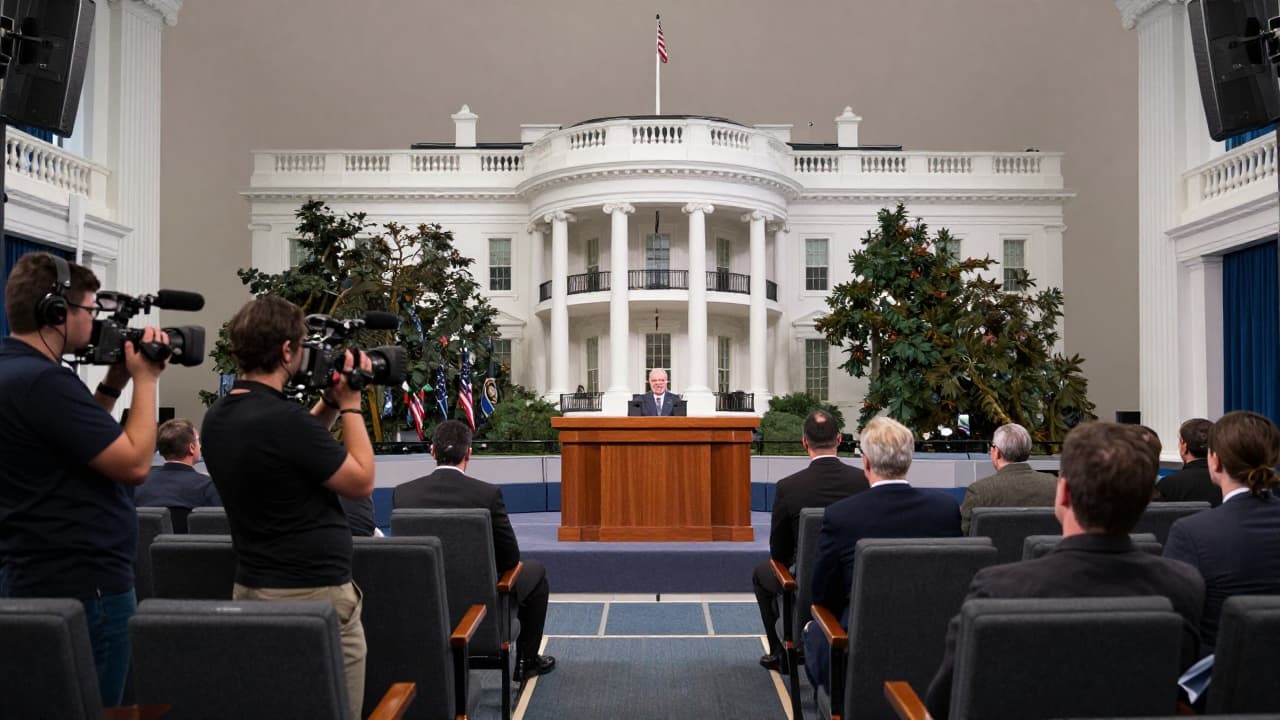
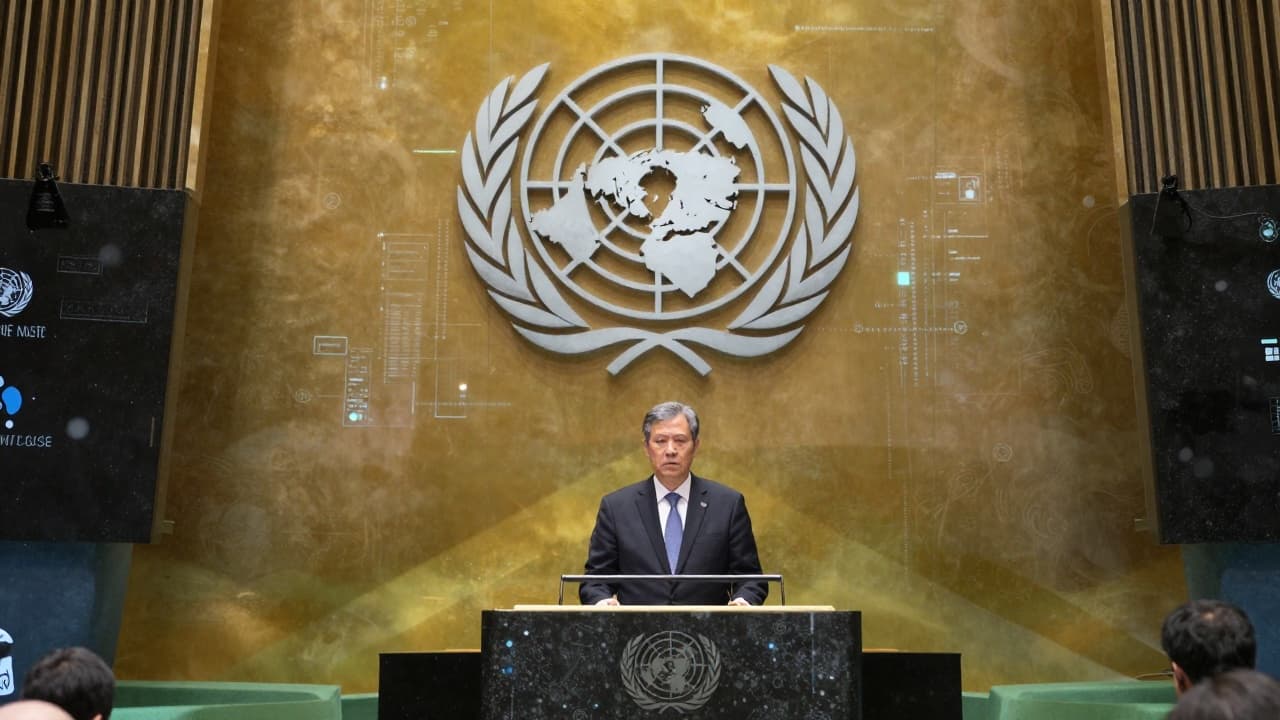
In a 25-minute address, Trump stated that China had illegally obtained 220 million files on US voters, containing names, addresses, and registration details. He further claimed that intelligence officials had deliberately concealed the extent of China's activities.
The 2021 assessment, which found no evidence of interference, was led by John Ratcliffe, then director of national intelligence and now head of the CIA. The newly released documents do not fully support the president's claims: one relates to elections in Venezuela, another assesses that voting systems are 'difficult to manipulate on a large enough scale to jeopardise election results', and a third states that Beijing 'is not currently planning to interfere covertly' in the outcome of the election.
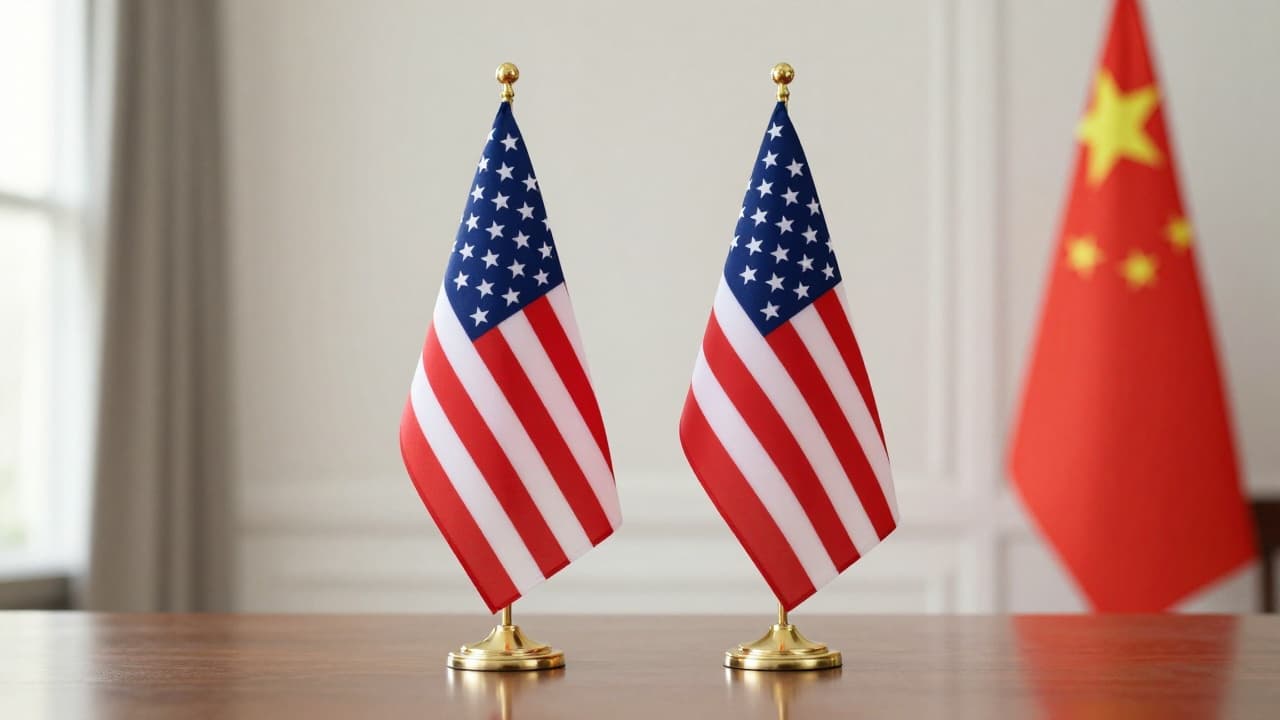
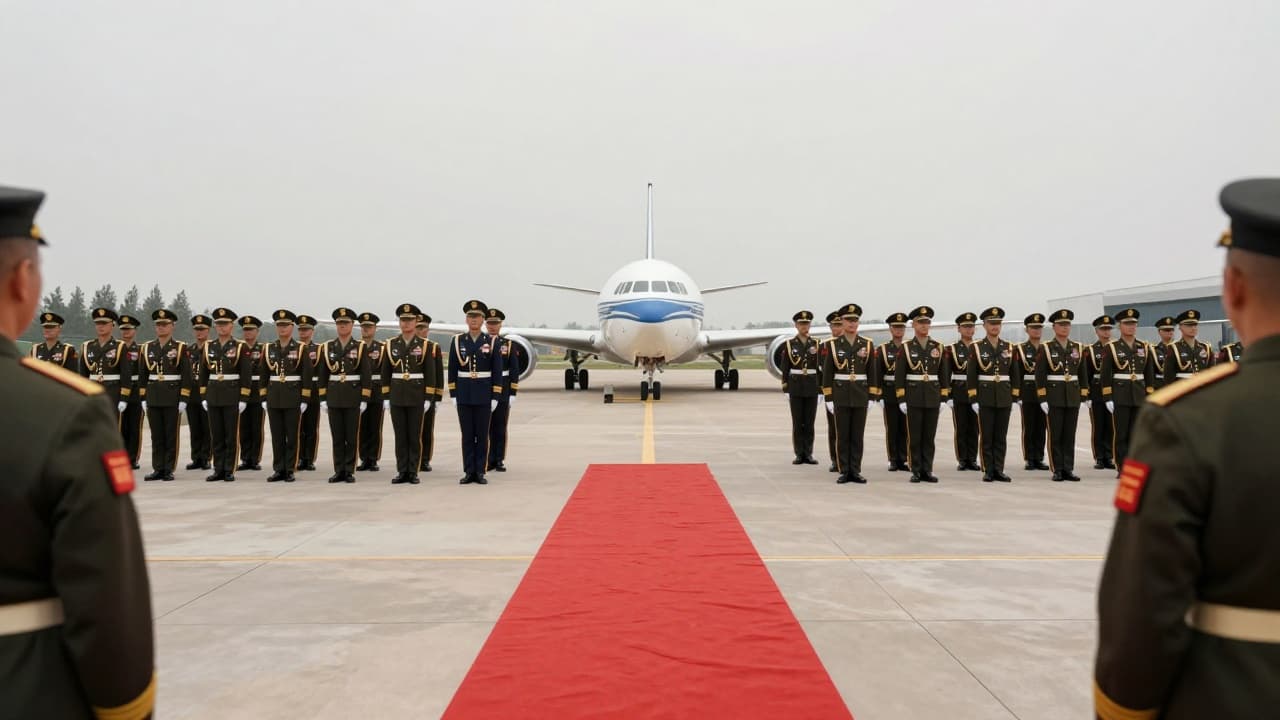
The Chinese embassy rejected the allegations. 'China has never and will not interfere in the presidential elections in the US,' said spokesperson Liu Chang. Democratic senator Mark Warner described Trump's claims as 'completely false'.
The speech comes four months before the mid-term elections in November, in which Republicans are defending their majority in both houses of Congress. Trump is simultaneously pressuring party colleagues to pass legislation on stricter voter identification requirements, despite previous findings showing that voter fraud in the US is rare.
Major television networks did not broadcast the speech on their main channels: ABC and NBC offered it only on their streaming platforms, while CNN made it available on its website and premium service. Trump accused the networks of 'conspiracy' and threatened to revoke their licenses, while experts reminded that broadcasters have the right to decide what to broadcast under the First Amendment.
The sharp stance towards China carries risks for bilateral relations, stabilised after last year's trade war — Trump is in September looking forward to a meeting with Chinese President Xi Jinping on trade issues.