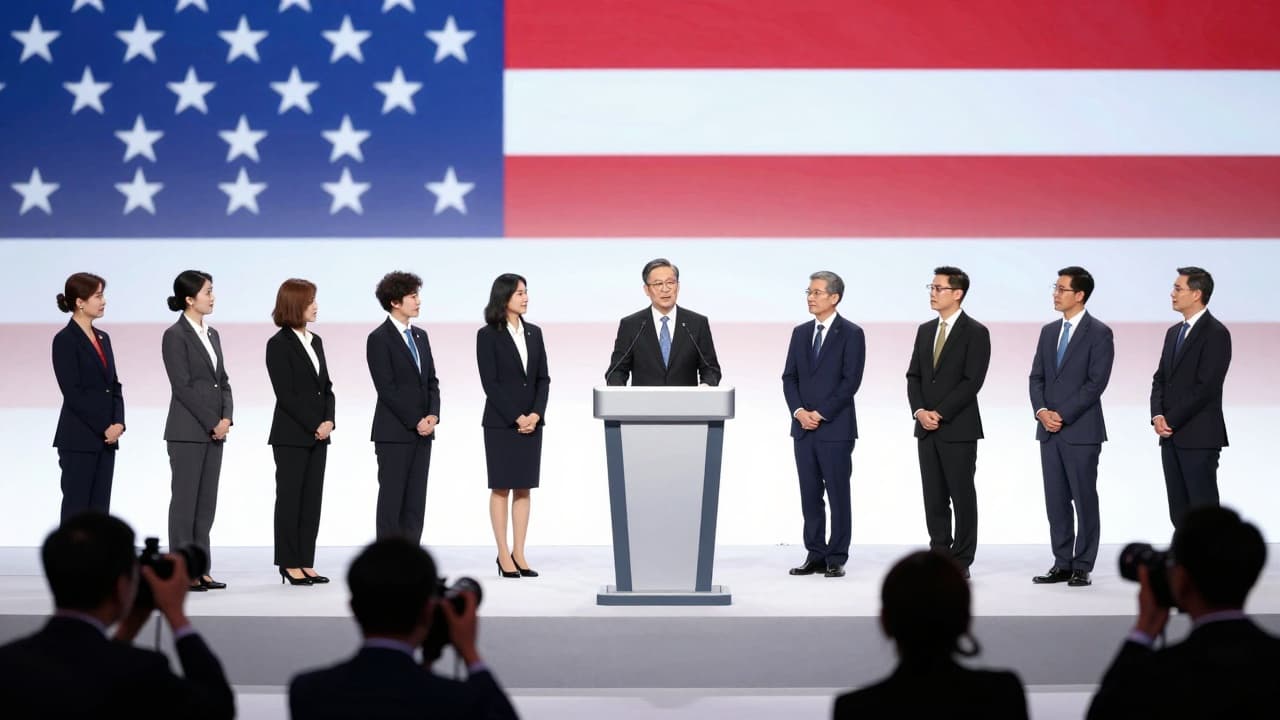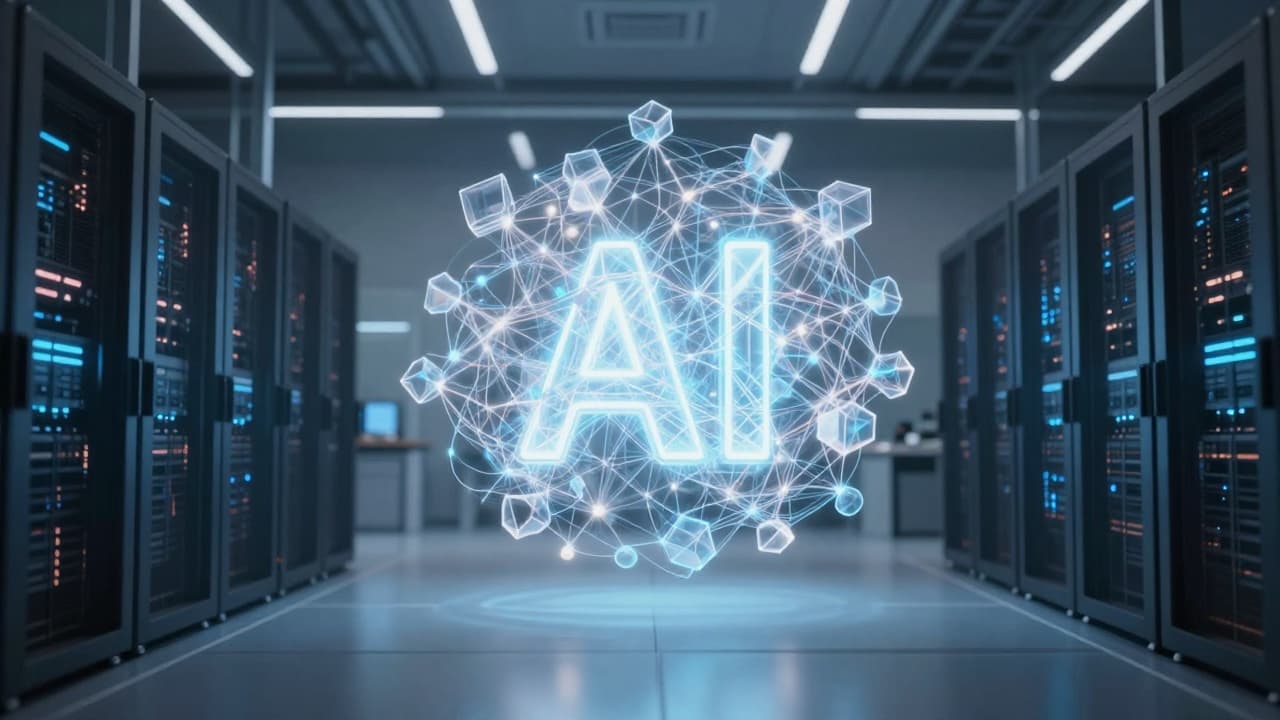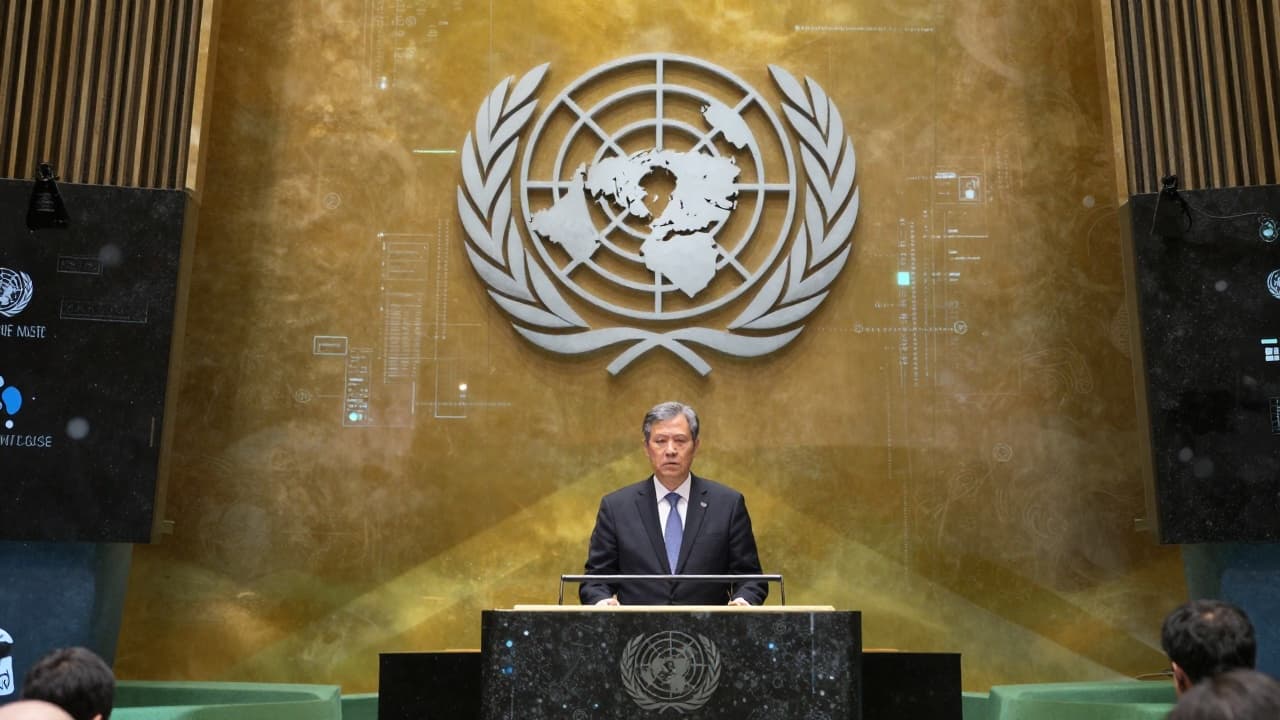
Donald Trump has stated that the term artificial intelligence (AI) sounds as if the technology is 'fake' and wants it to be called 'super intelligence' instead. During a speech at the United Nations General Assembly in New York on Tuesday, he declared: "Welcome to the new world of super intelligence – SI".
Trump noted that from that point on, all documents of the United States, and he hopes the world, would be changed to use the 'more accurate' term 'super' instead of 'artificial'. "So, it is 'super intelligence'", he said. Some people close to the president immediately began using the new term. US Chief Technology Officer Ethan Klein wrote on social media: "The President of super intelligence (SI) spoke! The United States is and will remain the global leader in SI". Trump's UN Ambassador Michael Waltz later stated: "If you haven't seen the President's speech, it is now super intelligence. I think he is completely right."
This renaming is just Trump's latest rebranding move, following his order to change the names of Lake Ontario and the Gulf of Mexico on US maps and in federal communications. During the past week, Trump asked his social media followers to vote on other potential names for AI, including 'superior intelligence', 'extreme intelligence' and 'supreme intelligence'. After a series of polls on his Truth Social platform, the name 'super intelligence' won. The purpose of renaming AI – and whether the technology industry will accept it – remains unclear.
Experts told the BBC that it is unlikely the name will catch on in the industry as it is usually reserved for more advanced systems. AI refers to computer technology that enables machines to perform tasks that usually require human thought. Super intelligence has a specific meaning within the technology community. The term is often associated with author and philosopher Nick Bostrom, who defined the idea over a decade ago as an 'intellect' superior to humans in all forms. It remains entirely hypothetical.
The renaming is 'misleading' because super intelligence usually refers to a system that can improve itself, said Simon Coghlan, a lecturer in digital ethics at the University of Melbourne. "I doubt 'SI' will stick, partly because it overstates current AI capabilities", Coghlan said. He added that a superintelligent system, if it were to emerge, would be considered by experts the most important technology ever created. Computer scientist Kokil Jaidka said that "not all AI platforms today are super intelligent", highlighting that the new name "borrows the prestige of a term that researchers reserve for a much bigger leap". Ben Leong, a computer science lecturer at the National University of Singapore, stated: "My guess is that professionals will want to keep 'SI' for a higher level of AI, rather than to describe today's AI. It doesn't yet operate at that level."
Canadian AI Minister Evan Solomon said that "Canadians are not at all thrilled about renaming things", which was clearly a reference to Trump's renaming of Lake Ontario. Meanwhile, leading technology executives and researchers have recently called on the US government to regulate the industry due to fears that AI could threaten humanity. Trump dismissed such concerns as a 'hoax'. He argued against regulating the technology and stated that the US cannot afford to let China – its key technological rival – gain an advantage, adding that whoever 'wins in AI, wins'. "We are now ahead of China by a wide margin, and of everyone else, and we will remain so", Trump said. He emphasised that the US would not 'stifle the growth of something that will be greater than the Industrial Revolution'. The government, he said, would 'restrain' if necessary and lead the sector responsibly. Trump is due to meet with his Chinese counterpart Xi Jinping this week, and leaders of the world's two largest economies are expected to discuss AI as well.