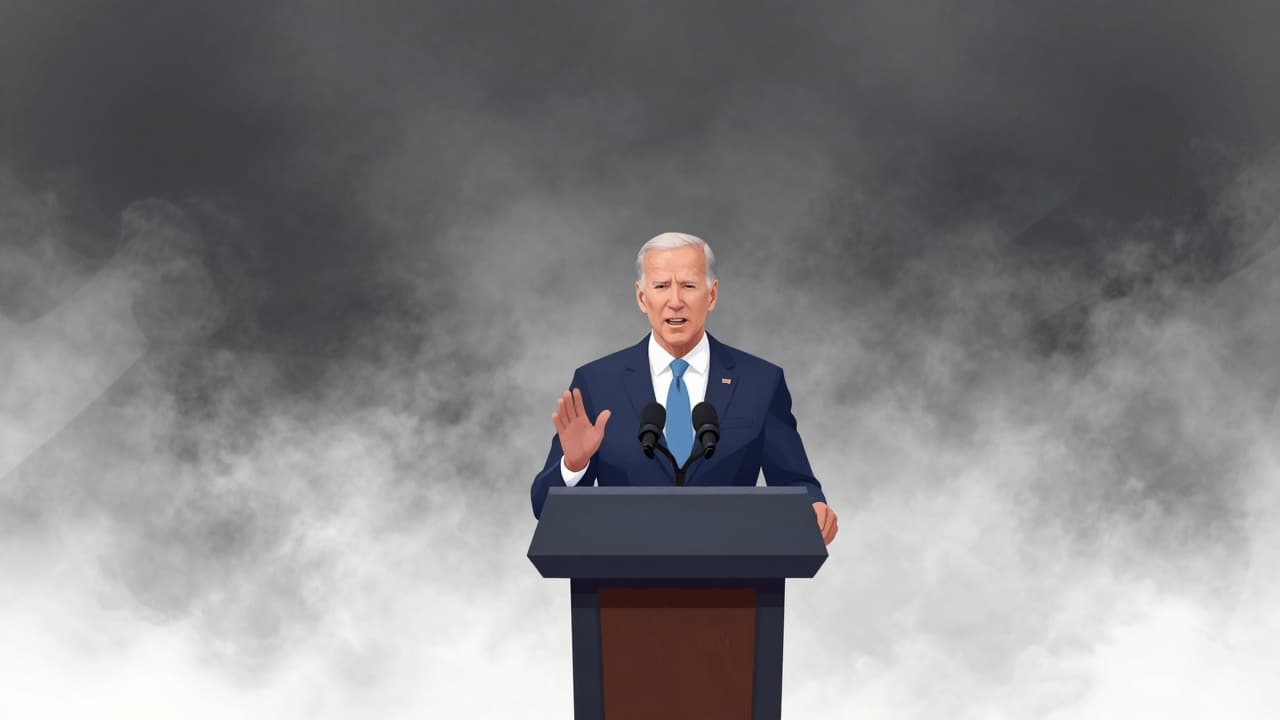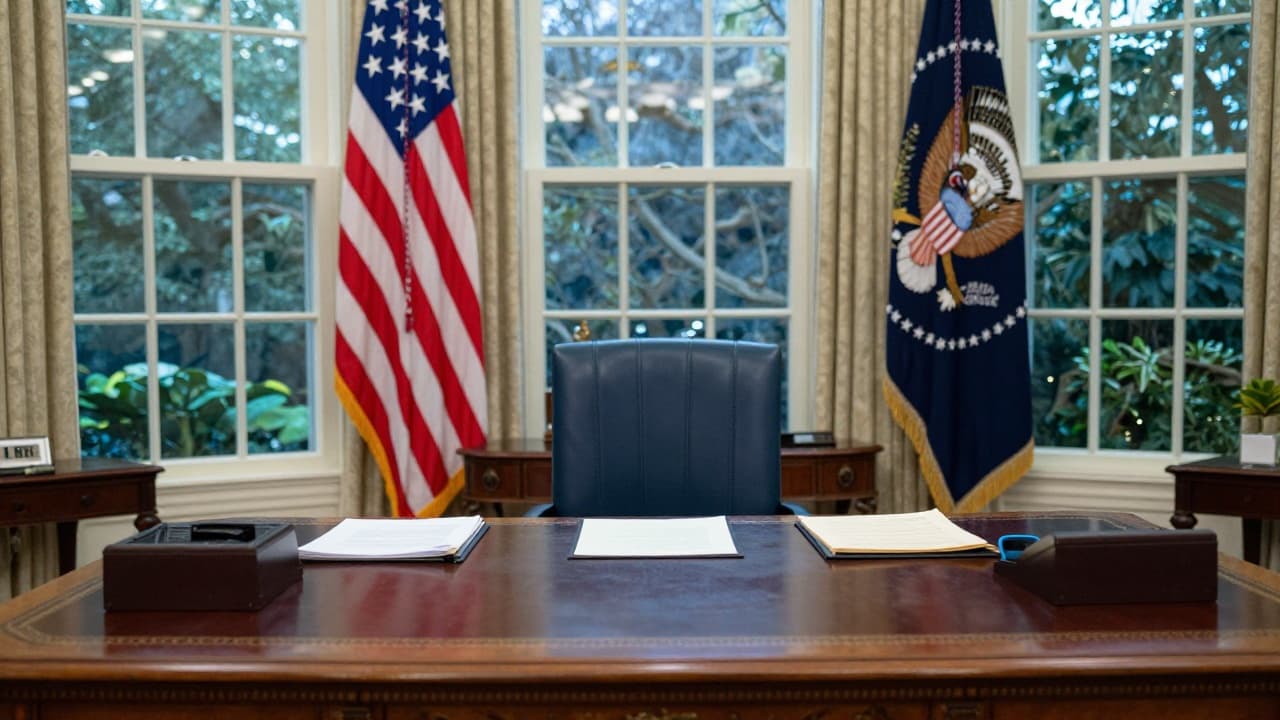
President Donald Trump has signed an order renaming Lake Ontario, one of the five Great Lakes, to Lake America. This administrative change, although Trump stated it would take effect immediately, actually requires a 30-day implementation period, which has been left to the minister of interior to execute. The renaming does not bind Canada or international institutions, which is a key point given that the lake forms a border between the two countries.
The Canadian prime minister, Mark Carney, has dismissed Trump's order to rename Lake Ontario to Lake America. Carney stated that Lake Ontario will continue to be known as Ontario, noting that the name is 400 years old. The name Ontario predates both the Canadian confederation and the American declaration of independence, highlighting the deep historical roots of a name that has been part of the region's cultural heritage for centuries.
Lake Ontario is one of the five Great Lakes in North America, located between the Canadian province of Ontario and the US state of New York. This geographical feature makes the lake significant not only ecologically but also in terms of cultural and historical aspects. Trump's order, although formally directed at the US side, has prompted reactions highlighting the importance of respecting historical and cultural context in the management of shared natural resources.
This situation highlights the complexity of managing borders and natural resources between the two countries, and underscores the importance of mutual respect and cooperation in preserving shared heritage. Although Trump's order has been formally adopted, its practical implementation and acceptance by Canadian authorities remain in question, which could lead to further tensions in the relationship between the two countries.