US President Donald Trump faces yet another legal challenge over tariffs. A group that successfully sued over his so-called "liberation day" import taxes has filed a new lawsuit over the latest Canadian tariffs.
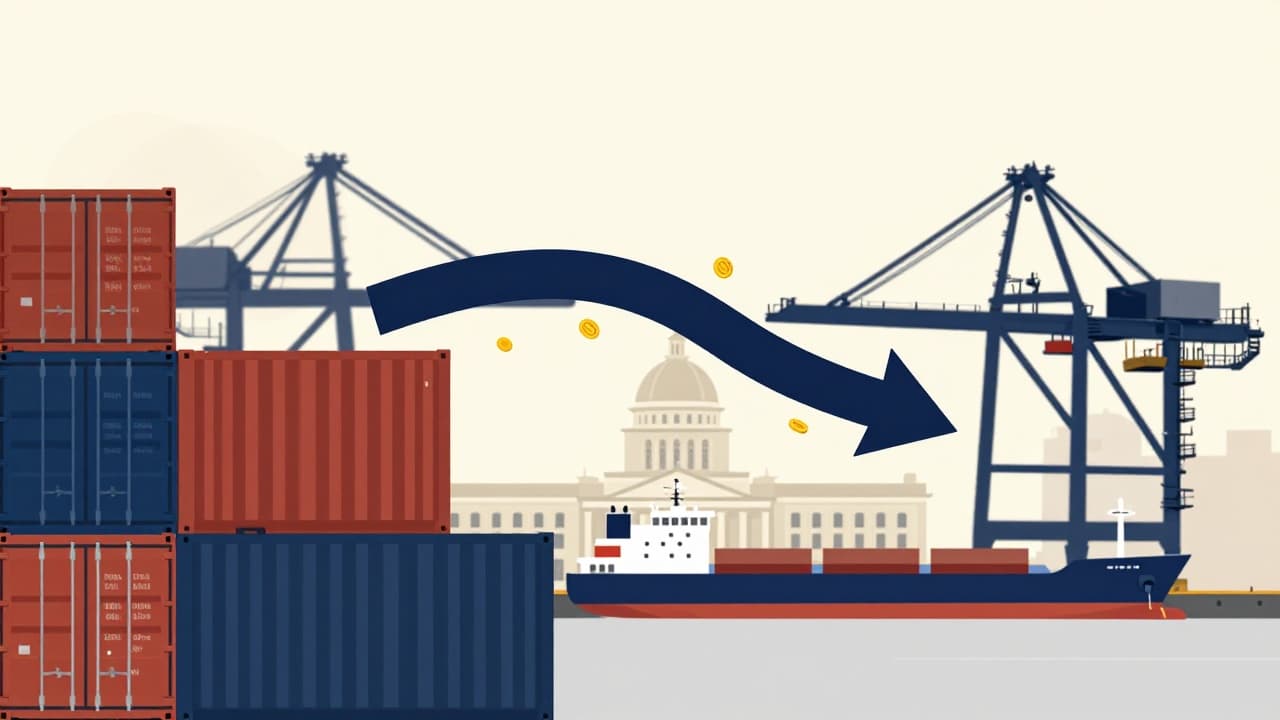
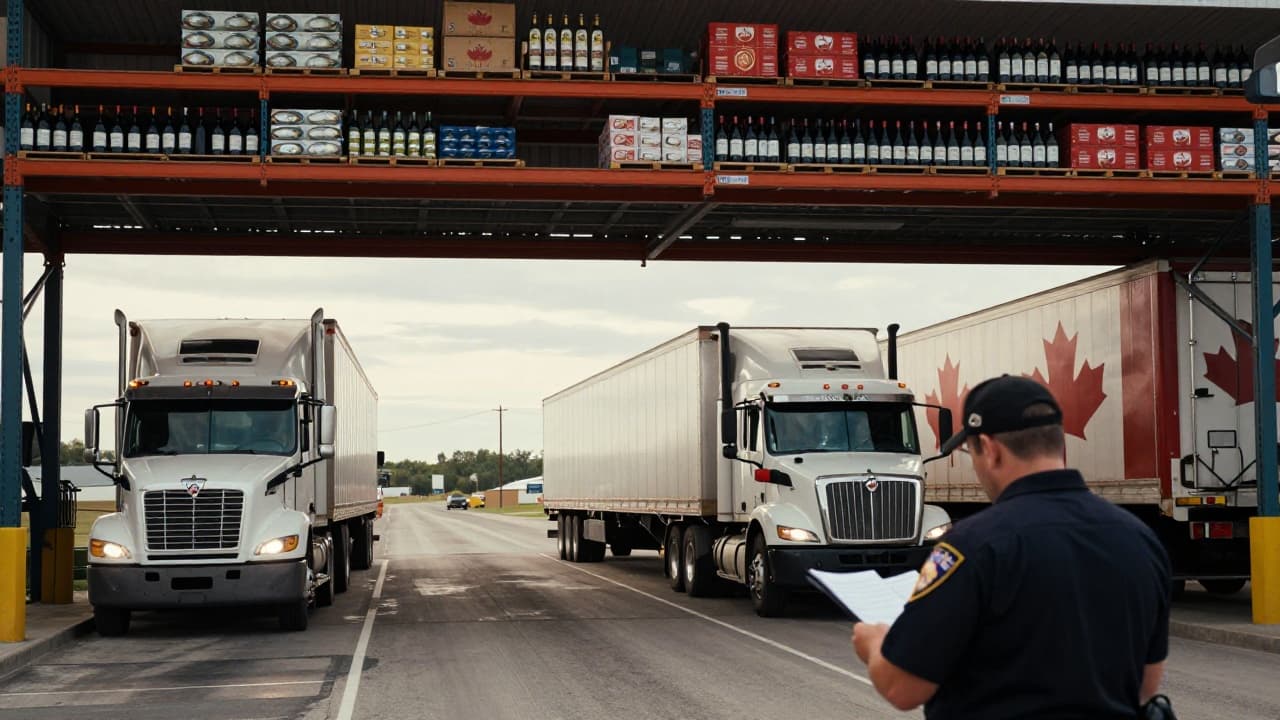
The White House introduced a 50 per cent tariff on Canadian goods worth approximately $20 billion after trade negotiations between the US and Canada collapsed in August. The lawsuit was filed by the Liberty Justice Center on behalf of US food company Gellert Global Group. The suit asks the US Court of International Trade to declare the tariffs unlawful and order refunds with interest for affected importers.
The lawsuit argues that the White House exceeded its authority in imposing the tariffs and caused "immediate harm to American companies". The White House was contacted for comment.
Gellert Global Group is a third-generation family business that pays 50 per cent tariffs on cheese exported from Canada. The New Jersey-based company also faces Canadian retaliatory tariffs on US cheese it sells north of the border. Co-chairman Thomas Gellert said the company had built relationships with suppliers and buyers in the food industry for generations.
"Those tariffs sever those relationships overnight and create costs and uncertainty that ripple through the entire supply chain," Gellert said on Tuesday.
The Liberty Justice Center challenges the use of Section 338 of the 1930 Tariff Act, which is being used to strike at Canadian goods ranging from wine to dairy products and hockey sticks. This nearly century-old provision of the law is intended to protect American companies from discrimination. The legal group argues that Section 338 does not allow the executive branch "to impose comprehensive tariffs or import restrictions whenever a trade dispute arises".
The lawsuit seeks to challenge the White House's reliance on retaliatory tariffs introduced by Canada to justify its own fees under Section 338. Canada has introduced a series of countermeasures against numerous US tariffs. Last month, Canadian Prime Minister Mark Carney matched US tariffs under Section 338 "dollar for dollar" after Trump imposed them due to what he called "unfair treatment" of American cars, dairy products and alcohol.
The lawsuit highlights that Section 338 requires a 30-day waiting period before tariffs are introduced, but that the tariff on products including cheese was added to the list only one week before the start of tariff collection. Sara Albrecht, chief executive of the Liberty Justice Center, said the case is not about Trump personally but about the presidential office.
"No president should have the power to pull a dormant law off the shelf and use it to impose comprehensive tariffs or import bans without the limitations prescribed by Congress," Albrecht said.
The lawsuit argues that Section 338 of the 1930 Tariff Act has been superseded by Section 301 of the 1974 Trade Act. It also argues that, if Section 338 still applies, the White House has not established a legal basis for comprehensive tariffs against Canada. The Liberty Justice Center stated: "The case is not an objection to tariffs as such. It asks who has the authority to impose them and whether the executive branch has followed the law written by Congress."
The legal group has also filed a motion for a preliminary injunction to prevent their collection. This is the fourth case the group has brought against Trump's tariffs. Their successful case concerned comprehensive tariffs imposed under the International Emergency Economic Powers Act (IEEPA), which were rescinded in February this year. Albrecht said the group has brought all cases for the same reason: "The Constitution gives tariff power to Congress. The executive branch cannot constantly move the same policy from one law to another and pretend the limitations disappear."