Donald Trump has announced the introduction of a new round of comprehensive tariffs affecting more than 80 countries. This move represents the latest attempt by his administration to impose global trade tariffs without the explicit approval of Congress, thereby bypassing the legislative branch.
The new imposition has triggered a strong reaction from the international community, including a wave of criticism and protests from traditional US allies and major trading partners. The Trump administration officially issued the order for the new measures late on Thursday, confirming that the policy would change significantly from the previous period.
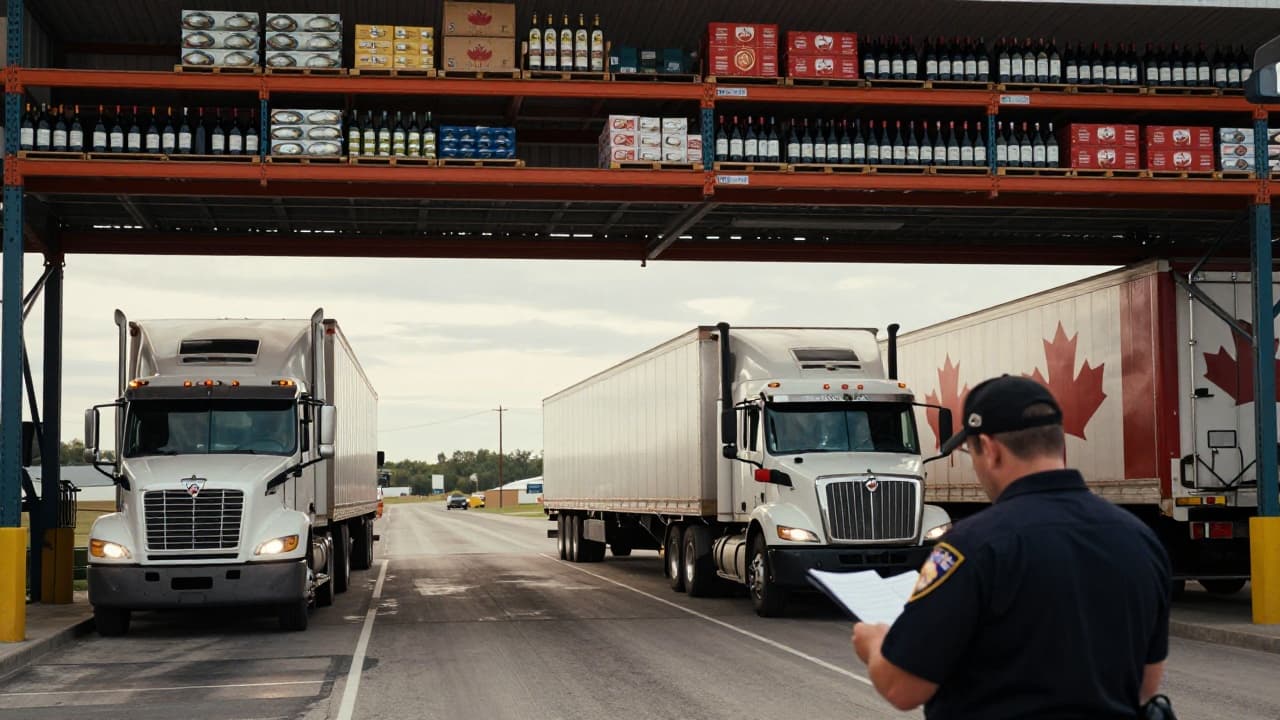
The tariffs, ranging from 10 per cent to 12.5 per cent, apply to dozens of countries. The list of affected states includes the United Kingdom, Mexico, Canada, Australia, India, China, and all 27 countries of the European Union. These measures replace the previous global tariff of 10 per cent, which was due to expire on Friday.
The legal basis for these new measures was established following the Supreme Court’s ruling in February that Trump had illegally used executive power to enforce global trade policies. The court had previously determined that the earlier tariffs were not in accordance with the law, prompting the administration to find new legal mechanisms for their implementation.
According to Donald Trump, the United States is currently paying more than its fair share in global tariffs. He states that the increased levies are necessary to stimulate American production and create new jobs within the country, which is the main argument for this trade escalation.
These new tariffs come into force on Friday morning, completing the cycle of measures first introduced in February. Although the initial 10 per cent tariff was introduced at that time, the current move represents a significant tightening and expansion of trade barriers towards key economic partners.