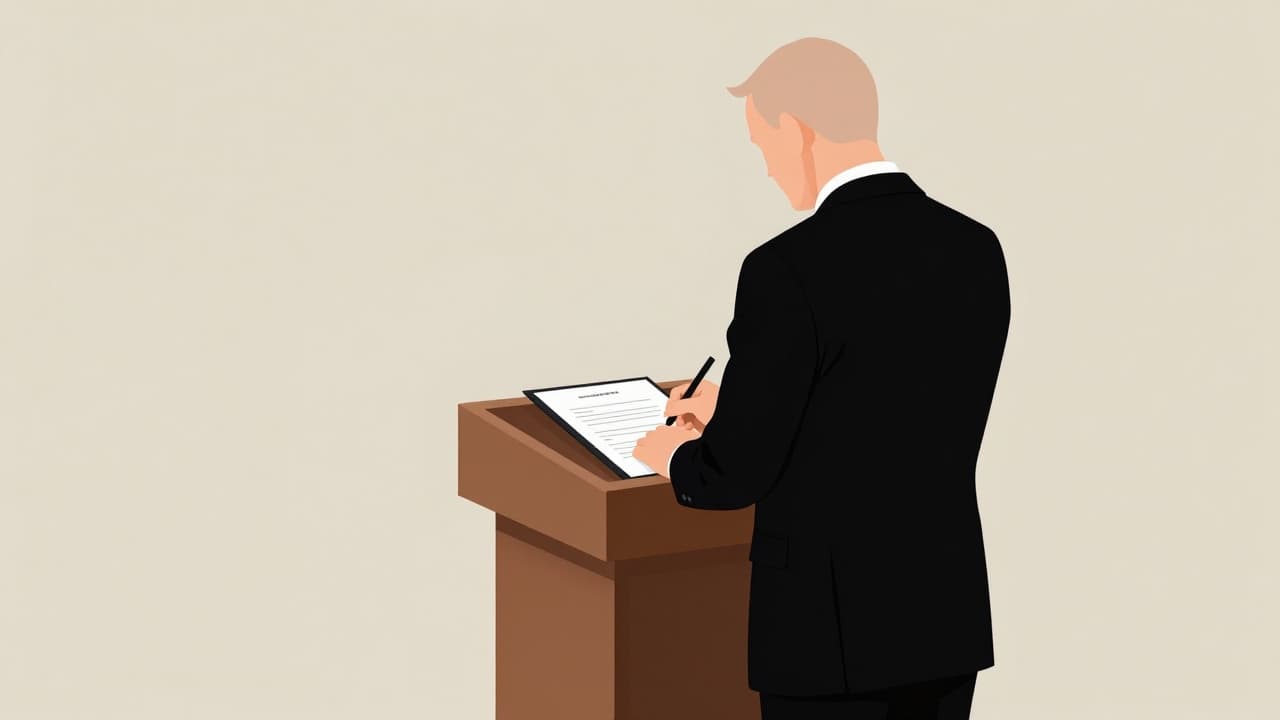
US President Donald Trump said on Friday that he was lifting many sanctions, restrictions and tariffs related to Russia. His executive order came just days before the measures were set to take effect following the law signed last month.
In mid-September, Trump signed the Lindsey Graham Russia and Iran Sanctions Act of 2026. The bill provided for the imposition of tariffs of up to 100 per cent within 30 days on all goods entering the US from the five largest exporters of Russian crude oil and gas. The same applied to any country that knowingly purchased oil or gas 30 days after the law came into force, and to countries that were among the five largest helpers of Russia in evading sanctions. The bill's main proponent in Congress was the late Senator Lindsey Graham, who died in July.
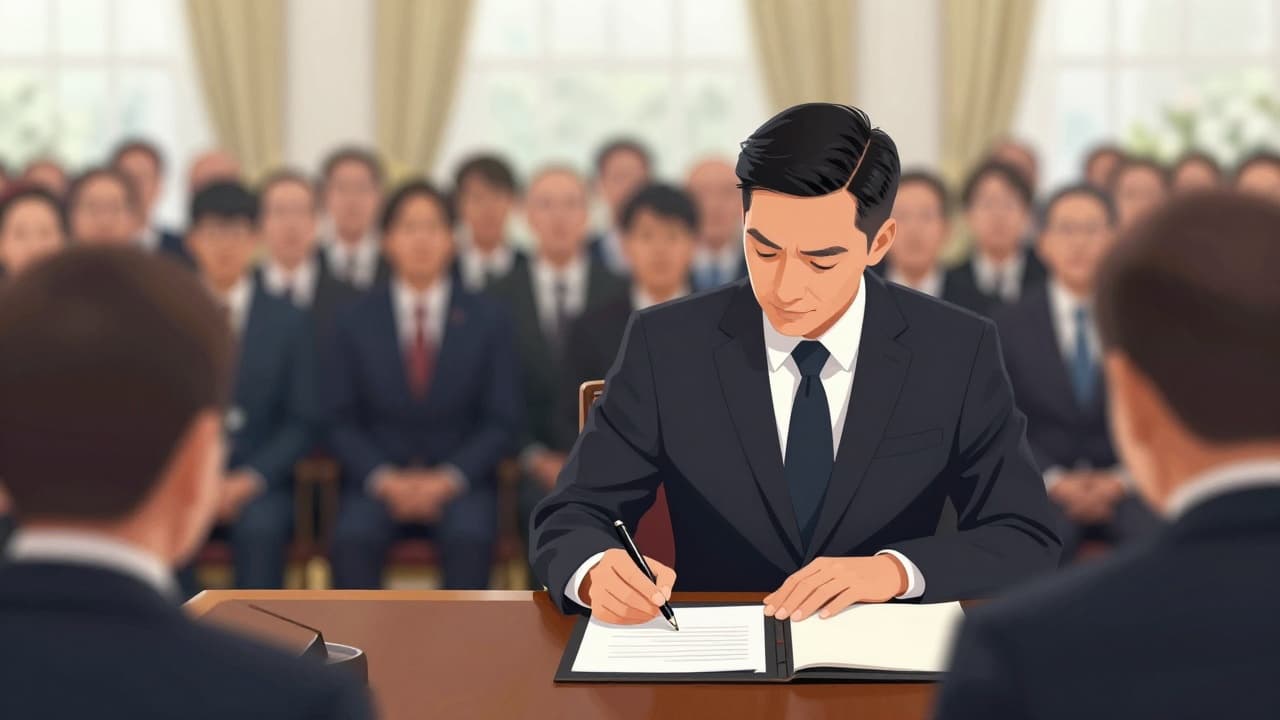
Trump, in the order published by the White House on Friday, stated: 'I have certified to Congress that issuing such an exemption at this time is in the national interest of the United States'. The order does not explain why the decision is in the national interest, and states that the exemption will remain in force while the Trump administration assesses that 'further steps are necessary'.
The decision coincides with an increasingly sharp rift between Trump and Ukrainian President Volodymyr Zelenskyy, as Washington's support for Kyiv in the four-year war against Russia weakens. Trump is lifting sanctions while showing increasing favour towards Russia, while simultaneously criticising Zelenskyy, suggesting that Ukraine needs a new leader. In an interview with Newsmax on Thursday, he sharply criticised the Ukrainian leader, saying: 'I find it harder to work with Zelenskyy than with Putin.'
The White House has been putting pressure on Ukraine to halt attacks on Russian oil facilities, in an attempt to lower oil prices ahead of the congressional elections. Ukraine initially agreed, but has since resumed attacks, while Russia has been intensifying attacks on Ukrainian energy infrastructure. Trump surprised European leaders last week by striking a deal that allows the export of Russian diesel; the move, according to Zelenskyy, left him feeling betrayed, and the deal has drawn criticism from both parties in the US.
Relations between Ukraine and the United States are further strained by the apparent disruption of intelligence sharing and the restriction of the Starlink satellite internet service. Trump claims that the US has not stopped sharing intelligence with Ukraine, but Ukrainian authorities say they were caught off guard by restrictions on Elon Musk's Starlink. The restrictions have disrupted the operations of Ukrainian drones and early warning systems, and reduced the army's capabilities in logistics, communication and reconnaissance. Zelenskyy stated on Friday that the work of Starlink had improved, but that the service had not yet been fully restored.
Zelenskyy had previously stated that his government had received 'no early warning from partners' before the devastating attack on a large power plant in Kyiv by ballistic missiles. CNN reported that Kyiv was left without missiles for the US Patriot air defence system, which is one of the few defensive weapons that can shoot down ballistic missiles, and Zelenskyy has repeatedly stated how difficult it is to procure new supplies.
The decision was welcomed in Russia but sharply criticised in the US. Kirill Dmitriev, head of the Russian state investment fund, welcomed the decision on the X platform, calling it 'an important and truly historic moment', adding that 'economic cooperation between Russia and the United States is in the interests of both nations'. Democratic Senator Elizabeth Warren described the move as 'a pathetic and predictable failure of leadership' and recalled the 'strong bipartisan support' for Ukraine. 'By lifting these sanctions, Trump is defying the instructions of Congress to increase pressure on the Kremlin and allowing Vladimir Putin to continue his aggression', Warren said on Friday.
The move by Don Beyer, a representative from Virginia in the House of Representatives, on the platform X, was: 'Trump's latest surrender to Putin is once again a betrayal of our Ukrainian partners and runs counter to the clear intent of Congress and the law designed to punish Russia for its illegal and aggressive war.' Senator Richard Blumenthal, one of the authors of the bill, posted on X: 'These exemptions have nothing to do with our national security, but only with pleasing Vladimir Putin.'
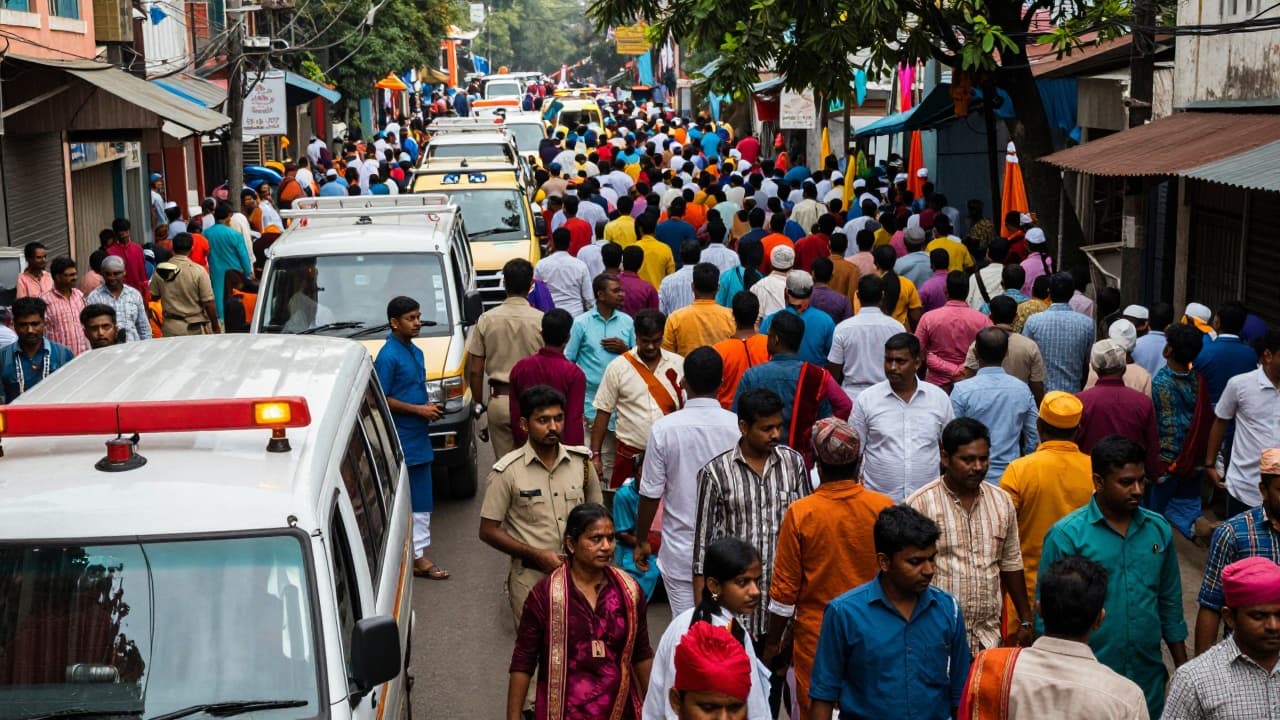
Countries such as India, which is one of the largest buyers of Russian oil, have expressed concern about this sanctions bill against Russia. The US president blames the war in Ukraine and Russia for rising fuel prices, and is thus trying to divert attention from his war in Iran, which remains highly unpopular among voters. At the summit in Belgium on Friday, Zelenskyy praised the 'true leaders' on the continent, which is interpreted as an indirect criticism of Trump, while leaders of the European Union announced that they were preparing a new 22nd package of sanctions against Russia following the invasion of Ukraine, and stated that sanctions against Moscow would be intensified if Putin did not stop the war.