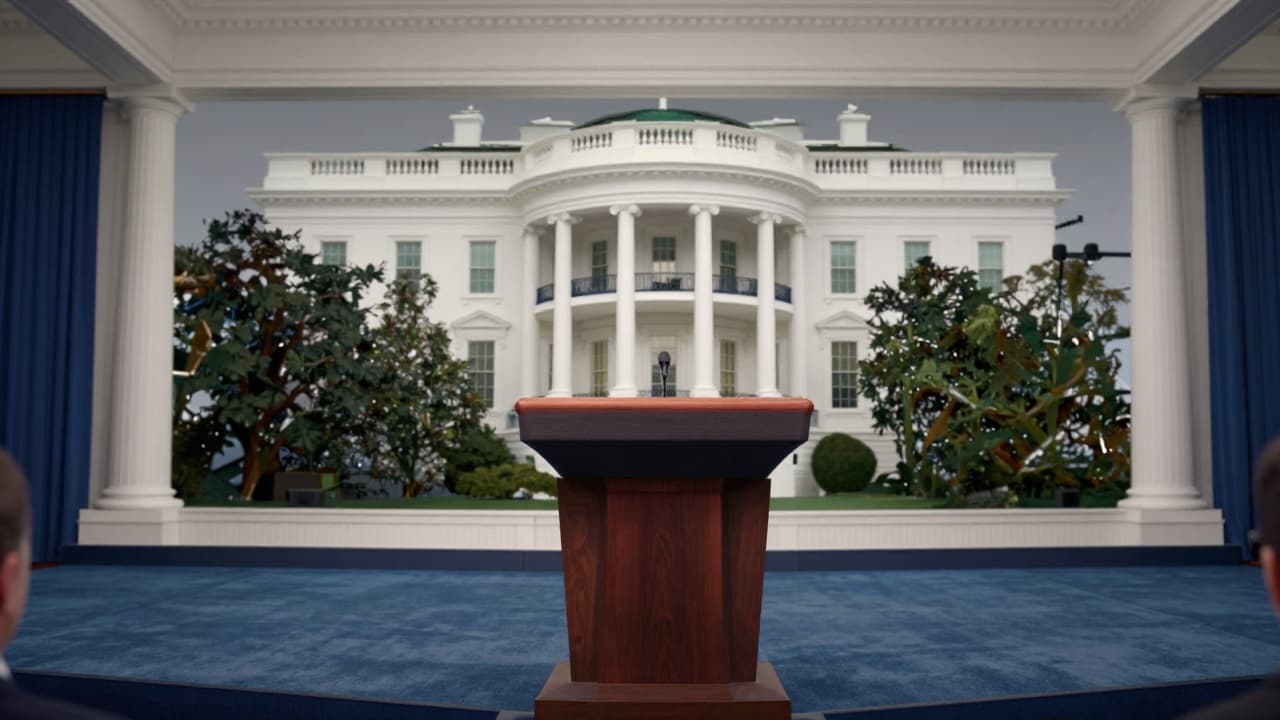

Donald Trump has agreed with Vladimir Putin on the delivery of hundreds of thousands of tons of diesel for the US and global markets in the coming months, the US administration announced. The decision comes as the US president faces political fallout from the war with Iran and rising energy prices ahead of the mid-term elections.
Trump stated on his platform Truth Social that he had a very successful conversation with the Russian leader. According to him, Putin agreed to supply hundreds of thousands of tons of diesel fuel to the US and global markets. Trump specified that Russia would immediately deliver more than 300,000 tons of diesel, with a further 500,000 tons in November, and 1,000,000 tons immediately after, with an additional 3,000,000 tons in the short term, depending on the condition of Russian refineries. The US Department of the Treasury announced on X that it was immediately issuing a general license allowing the supply of Russian diesel to the global market.
Trump stated that with full control over the Strait of Hormuz and news of Russian energy, diesel prices would fall rapidly in record time. He stressed that lower prices for Americans, particularly farmers, livestock farmers, and truck drivers, were his top priority. The spike in fuel prices is particularly affecting American farmers and transporters, who rely heavily on diesel, with the United States consuming around 3.6 million barrels of diesel daily.
The deal has drawn criticism from Ukrainian President Volodymyr Zelensky, who described it as a gift to the Russian president. Zelensky warned that the proceeds from the sale of oil products would help finance the Russian war machine. On the social media platform X, he wrote that peace is never achieved through weakness, and that any easing of sanctions against Russia without a clear and lasting agreement on de-escalation is a clear weakness. He added that allowing Russia to sell oil products means investing in a war that should have ended, rather than prolonging it.
The decision comes just three weeks after Trump signed a law enabling the imposition of new US sanctions and tariffs on countries importing Russian oil and gas. Trump has called on European allies to make greater use of oil reserves, temporarily lifted federal taxes on fuel, and allowed the use of fuel intended for agriculture in interstate road transport. States such as Iowa, Kansas, Texas, and Ohio have become key political battlegrounds in the upcoming elections, which will determine whether Republicans retain control of Congress. There are less than a month left until the US mid-term elections, with early voting already underway in several states. Energy and consumer prices have continued to rise in recent months.
It is not yet clear how the Russian diesel will be distributed on the global market, nor what Russia will receive in return. It is uncertain whether the deal will significantly impact prices in the US, with the announced delivery of 300,000 tons this month covering only a fraction of daily needs. Russian refining capacity has been damaged by repeated Ukrainian attacks, the cessation of which Trump has requested from Zelensky. Moscow has restricted, and then banned, diesel exports in the past year as Ukraine intensified attacks on Russian refineries, contributing to a global shortage of the fuel. At the end of January, the Russian government banned the export of diesel, and in mid-July, the ban was extended to producers, highlighting that its priority was the supply of the domestic market at a time of harvest, with reduced processing capacity due to Ukrainian attacks. It is unclear how Russia will deliver the large quantities of fuel Trump has announced, given that a significant portion of its refineries are not operational.