The launch of a pro-Brexit campaign was one of the few genuine surprises this week in Westminster. The campaign, to be called Stay Out, published a video on the X platform over the weekend, and is led by former deputy chief Brexit negotiator Oliver Lewis.
The video shows scenes of unrest in France, champagne flowing in Brussels and European politicians speaking about how desperate they are for British money. The campaign will be presented as a 'status quo campaign', and its central claim includes that returning to the European Union would cost £750 million a week.
Among Westminster veterans opposed to Brexit, there was immediate debate over whether a counter-offensive was needed. Rebutting Stay Out's claims is largely being done on social media by interested pro-rejoin freelancers, without any central organisation. One MP stated that it is difficult to start any new pro-rejoin campaign until the exact direction of the government is known, adding that a new movement would be required to advocate publicly. He also highlighted that they want to avoid marches of the kind led by the People's Vote movement with blue berets.
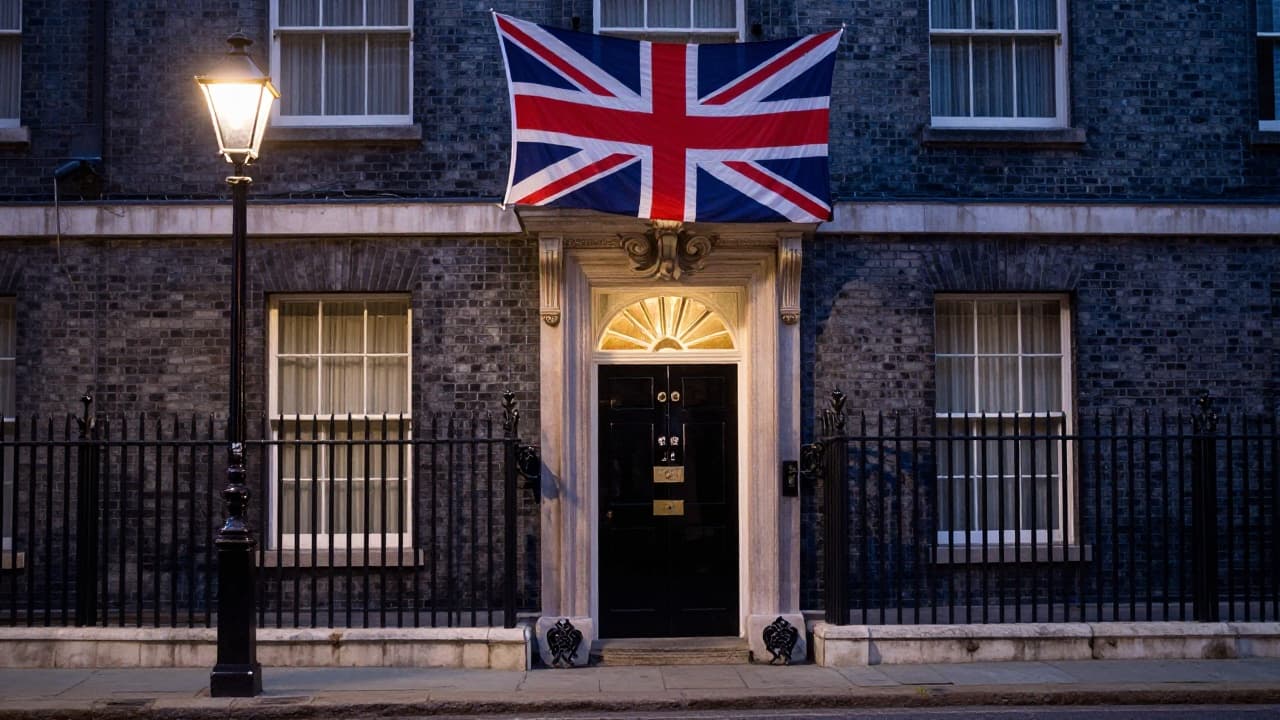
Within Downing Street, there is a belief that Andy Burnham can make the case for a closer relationship with Europe himself, without the need for external pressure from a group. Labour strategists have seen polling showing that nearly three-quarters – 71% – of all voters support a closer relationship with Europe if it helps lower prices and grow the economy. The Prime Minister is the one who can lead any campaign that is needed, and can claim that Brexit has done more harm than good, damaged the economy, made travel harder for Britons and trade harder for businesses, and triggered the small boat crisis.
There are fears that this has already been attempted when David Cameron tried to make the case for remaining in 2016. Labour strategists say this is a fundamentally different political moment. One strategist stated that Cameron could not establish an emotional connection with people, that it was business leaders, facts and figures, and that he was advocating the status quo, concluding: 'We are now the change campaign.'
Some cabinet members last week called for caution due to Burnham's uncertain direction on Europe, but most believe the Prime Minister can present a sustainable plan after the summit. One official stated that everyone is somewhat running to catch up with a different way of working and that everyone easily falls into anxiety about constituencies that voted to leave. He added that there is an argument that the old rules do not apply and that Andy's way of working is exposing the political argument.
Some close to Labour are concerned that the argument is being left exclusively to Burnham. One asked: 'Can I do this from the belly of Downing Street?' It was stated that rebuttal outside is needed and people willing to come out and fight, but it seems that this infrastructure is not yet there. Another veteran of the Remain campaign stated that there is concern about being left 'hanging on the edge' if a campaign for rejoining is revived. The veteran stated that, whether they like it or not, there will be an apolitical campaign trying to push a maximalist position on Europe and that they have people willing to help, but that it is not organised in any way.
Many who worked on the Remain campaign and the subsequent People's Vote are marked by the experience, particularly the final months which turned into bitter internal conflicts. The same applies to some of the most prominent Vote Leave veterans, who also want to avoid Stay Out. As in pro-Brexit campaigns, there are often willing financiers to promote a pro-European campaign. One campaign veteran stated: 'It will happen because there will be money for it.' But he added: 'But you could not pay me any money to go back to that issue.'