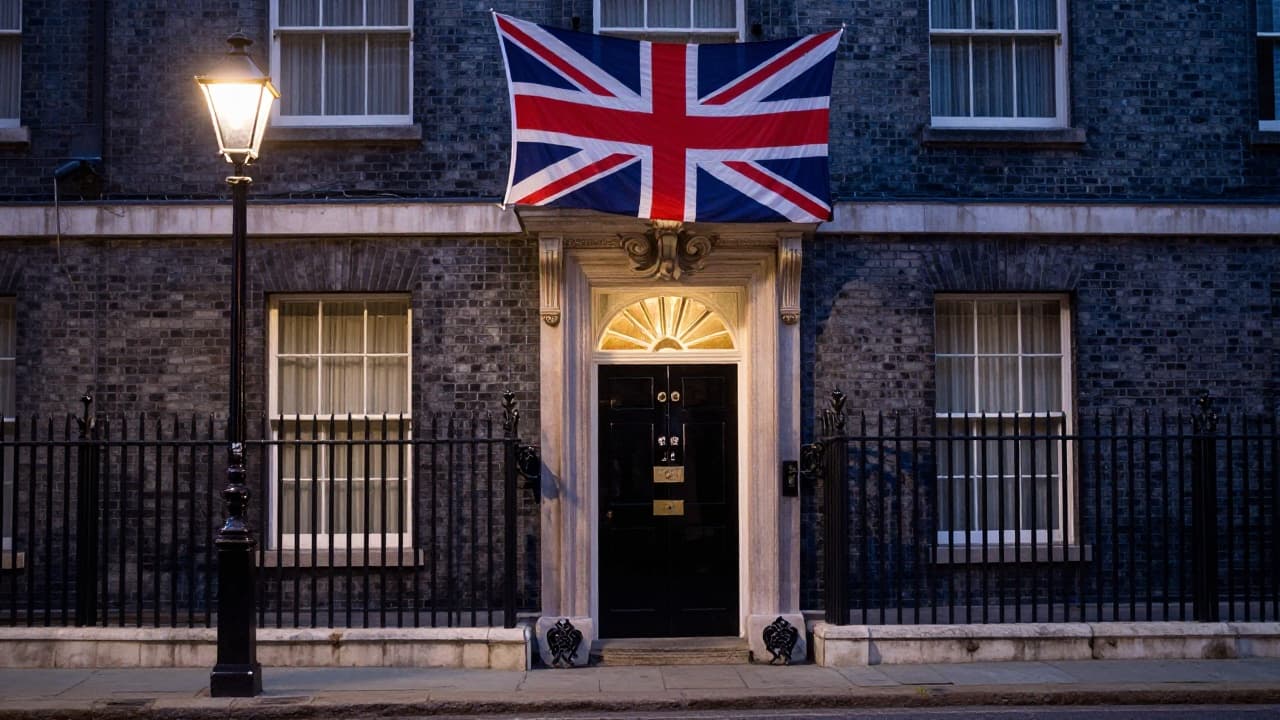

Home Secretary Shabana Mahmood will on Monday present extensive new rules on how long legal migrants must wait for permanent residence in the United Kingdom. Under these rules, most legal migrants are likely to wait a decade for permanent residence, while some could wait up to 15 years.
The government's response to the consultation on reforms will be presented to MPs on Monday. The response is expected to provide a specific exemption for care workers already in Britain, while most other professions will face long waits for permanent residence. Care workers already in the country are likely to face a 15-year wait for permanent residence, also known as indefinite leave to remain (ILR).
Mahmood has proposed that the wait for permanent residence could be shortened if legal migrants demonstrate that they have contributed to their local community through a "points system". She also proposed that the wait could be shortened for those who earn higher incomes. Mahmood is expected to meet with union general secretaries on Monday to finalise the details.
Ministers, including Housing Secretary Angela Rayner, have expressed concern about the impact the rules will have on care workers already in Britain. In June, Rayner described a wait of up to 15 years for permanent residence for care workers already in Britain as "un-British". In September, Energy Secretary Miatta Fahnbulleh said the plans would be "hard" for her family, who came to Britain as refugees.
According to plans published for the consultation, the standard qualifying period for permanent residence would double from five to 10 years. Some workers in sub-degree-level occupations, including care workers, could face a qualifying period of 15 years, depending on proposed exemptions and reductions. In the past five years, the Home Office has issued around 200,000 visas for health and care workers, with many more people arriving as dependants of those visa holders.
In a letter to Mahmood and Health Secretary Yvette Cooper, which the Guardian has seen, MPs and organisations describe the proposed measures as a "Windrush-era policy iteration". The letter, dated 29 October, calls on ministers to "prevent a repeat of history" by abandoning the proposed measures or, at the very least, introducing additional safeguards.
Signatories argue that changing the rules for people who have planned their lives around existing permanent residence conditions would be unfair and could prompt key workers to leave the country. They warn that proposed exemptions for some public servants may not protect staff employed by independent health and social care providers, nor the family members of workers. The letter calls on ministers to follow the recommendations of the Windrush Lessons Learned review, conducted by Wendy Williams, which called for improvements in the development and oversight of immigration policy, including greater consideration of its impact on affected communities.
Among the signatories are Labour MPs Bell Ribeiro-Addy, Diane Abbott, Clive Lewis and Rachael Maskell, and Green MPs Ellie Chowns, Carla Denyer, Siân Berry and Hannah Spencer. Organisations supporting the letter include Work Rights Centre, Action for Race Equality, Care England and the Society of Radiographers. Signatories write: "Windrush was a scandal born of racist immigration policies... this situation is not historical when the same injustice persists, and the same groups are targeted by current immigration proposals."
Signatories warn that the health and care sector is already "dangerously under-staffed" and that the proposed changes risk "worsening the health and well-being of everyone in Britain". The letter claims the government may struggle to meet cancer treatment targets and reduce NHS waiting lists without retaining and expanding the workforce, particularly in professions that rely heavily on internationally educated staff, such as radiography. Specific concern is expressed regarding adult social care: "International workers are key to maintaining current levels of care. Without them, services will shrink, and unmet needs will grow."
Presenting the consultation on "earned permanent residence" last year, Mahmood described Britain as a "multi-faith, multi-ethnic democracy" that requires "contribution and integration". She added: "Becoming part of this country, permanently, is therefore not a right but a privilege – and one that must be earned."