Aleksandar Vučić has lost the snap parliamentary elections to a political movement that did not exist two years ago. The Student List, according to initial projections, has won an absolute majority in the Serbian parliament, thereby ending the 14-year rule of the Serbian Progressive Party.
Vučić admitted defeat late on Sunday evening at the headquarters of his Serbian Progressive Party in Belgrade. "We do not yet have the final results, but it is clear that we have lost these elections," he stated. Vučić has served two presidential terms and was not eligible to run for that office again; in these elections, he led the party with the intention of returning to the position of prime minister, a role he left in 2017.
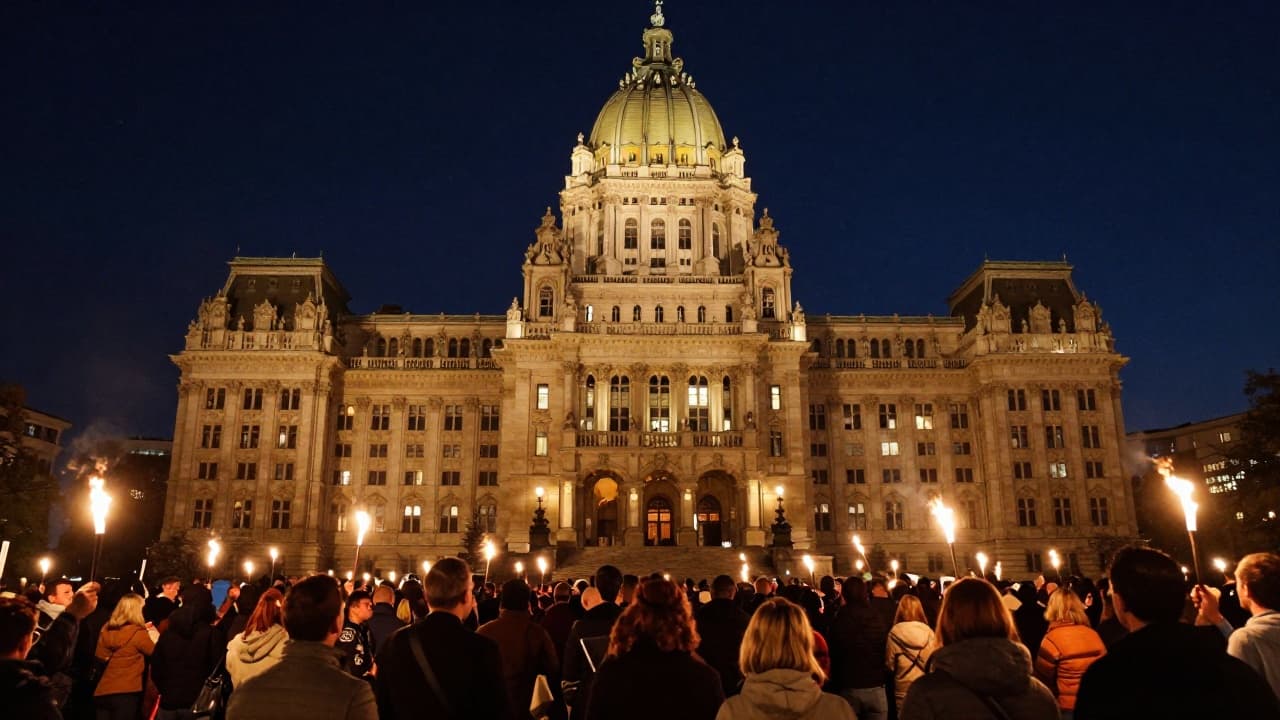
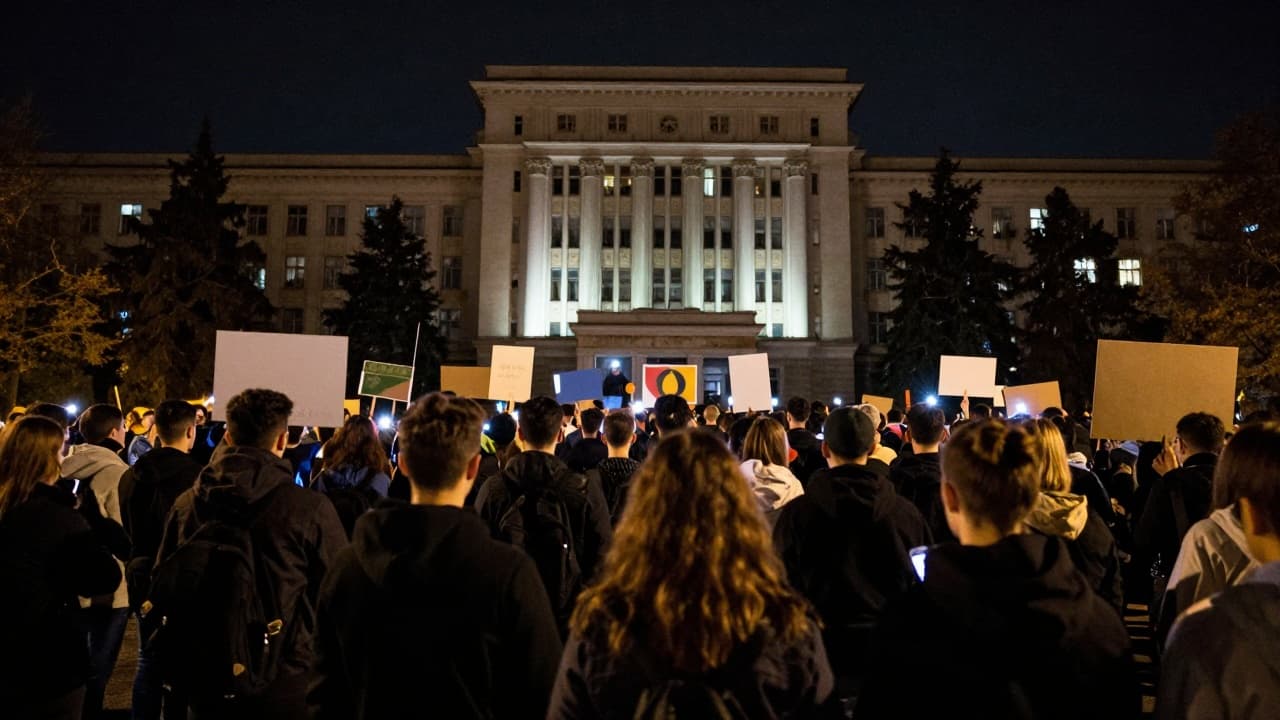
The Student List emerged from protests following the tragedy in Novi Sad, where a railway station canopy collapsed on 1 November 2024, killing 16 people. This event triggered the largest protest movement against Vučić's government and became a public symbol of corruption and governmental negligence. Vučić called the snap elections after two years of protests prompted by the disaster.
The movement does not have a single dominant political leader. Among the 250 candidates are doctors, university professors, lawyers, economists, actors, athletes and activists, most of whom have never held high state office. At the top of the list, officially named "Student List - Students Win", is Novi Sad cardiologist Ilija Srdanović, a professor at the Faculty of Medicine in Novi Sad who is not a professional politician. Behind him are doctor Katarina Stanković, dramaturg Željko Hubač and surgeon Aleksandar Cvetković.
Among the better-known names are basketball legend Dejan Bodiroga in 24th place, former Governor of the National Bank of Serbia Dejan Šoškić in 27th place, actor Tihomir Stanić in eighth place and sociologist Jovo Bakić in 76th place. Bodiroga is a former Yugoslav basketball international, two-time world and three-time European champion, and president of EuroLeague. Šoškić is an economist who served as Governor of the National Bank of Serbia from 2010 to 2012, while Bakić is a professor at the Faculty of Philosophy in Belgrade and a long-time critic of Vučić's politics.
The list also includes former athletics international Mihail Dudaš, former footballer Mirko Poledica and Feđa Dimović, a lawyer and member of the musical group Beogradski Sindikat. It also features psychologist Aleksandar Baucal, Rector of the University of Arts in Belgrade Mirjana Nikolić and engineer Zoran Đajić, who is in 58th place. Đajić was involved in the works at the Novi Sad station and publicly warned about irregularities and problems linked to the reconstruction. Among the candidates is also Zlatko Kokanović, a farmer and one of the prominent opponents of the lithium mining project in the Jadar Valley, who participated in protests against the Rio Tinto company project as a representative of the "Ne damo Jadar" association. The list also includes lawyer Sara El Sarag, who publicly presented the student movement's proposals for judicial reforms.
The students who organised the protests largely did not place themselves in the most prominent positions on the electoral list. During more than a year of student plenaries, blockades and talks, candidates were chosen who were considered capable of taking responsibility for the work of state institutions. The Student List was formally founded in September by a group of 14 people, mostly university professors, including Marija Maruna, a professor at the Faculty of Architecture in Belgrade. The movement collected more than 70,000 signatures of support, and the list was submitted to the Republic Electoral Commission on 14 September. The fundamental idea was to build a political option that would not depend on a single leader.
The Student List presented an 11-point programme in September, divided into three sections: "Serbia or Mafia", "Knowledge is Power" and "Serbia Grows with Us". At the centre of the programme are the fight against corruption, strengthening the independence of institutions and the accountability of state officials. The programme envisages the establishment of a special prosecutor's police to investigate corruption, a thorough review of the work of the Ministry of the Interior, and an examination of the origin of the assets of public officials. It also announces lustration, meaning a review of the responsibility of officials who abused their position or violated human rights. The anti-corruption movement promised during the campaign to dismiss officials who violated regulations when suppressing protests, to break the practice of appointing party-loyal cadres to the head of public enterprises, and to free the public service from political control.
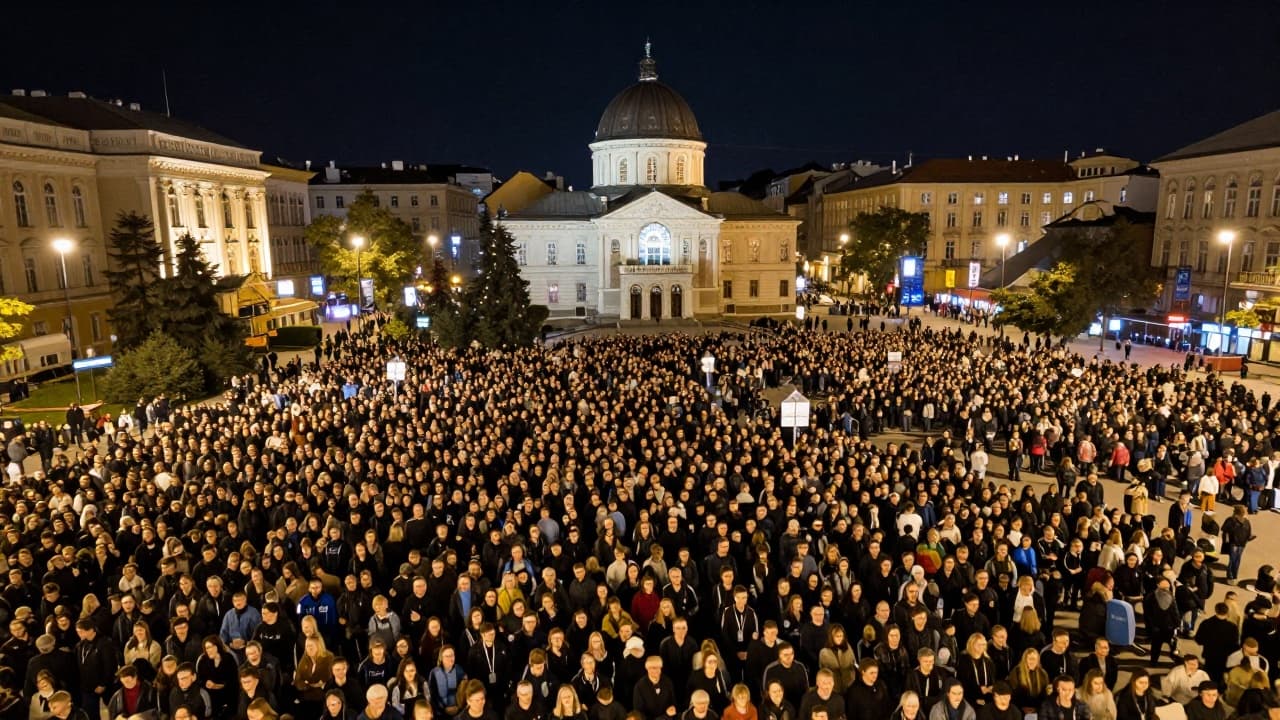
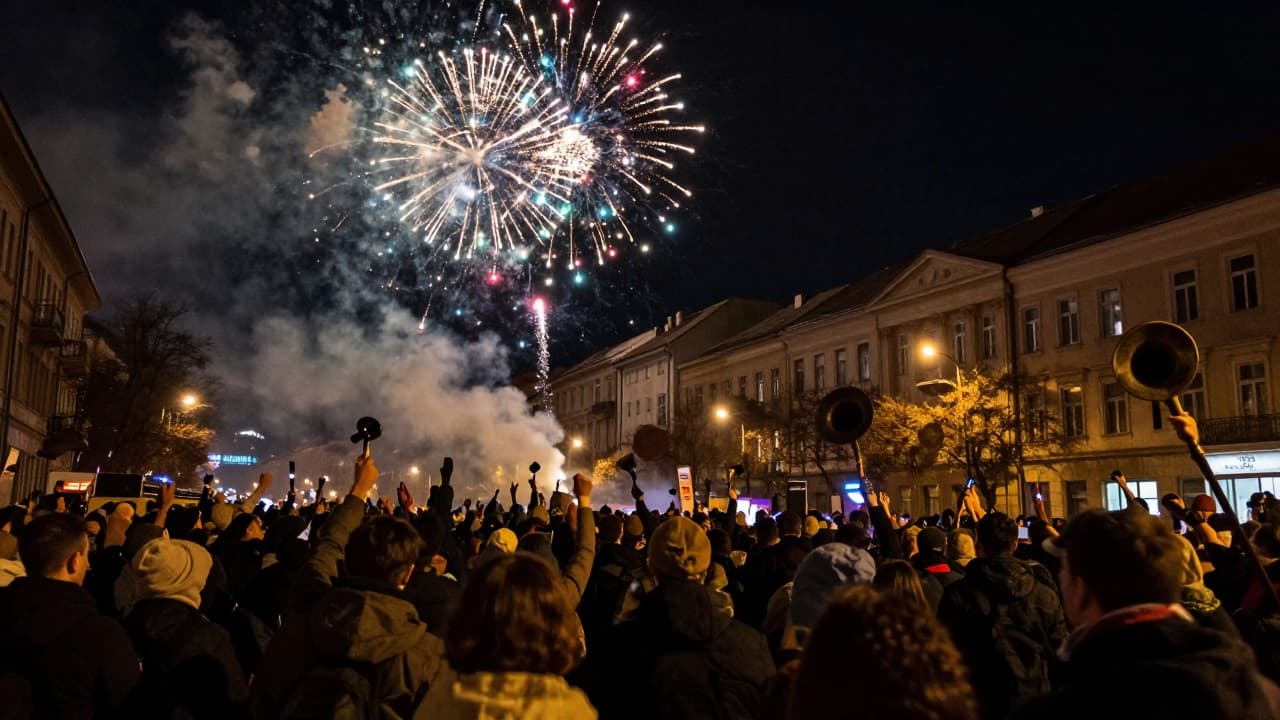
Unofficial results sparked celebrations in the streets of Belgrade, where people sang and chanted "victory" to the sound of car horns and fireworks. One student told the BBC: "Serbia is free. This is a miracle." List leader Ilija Srdanović told the BBC in Serbian that Serbia will "be a free state" and added that the movement hopes to "liberate the country from tyranny".
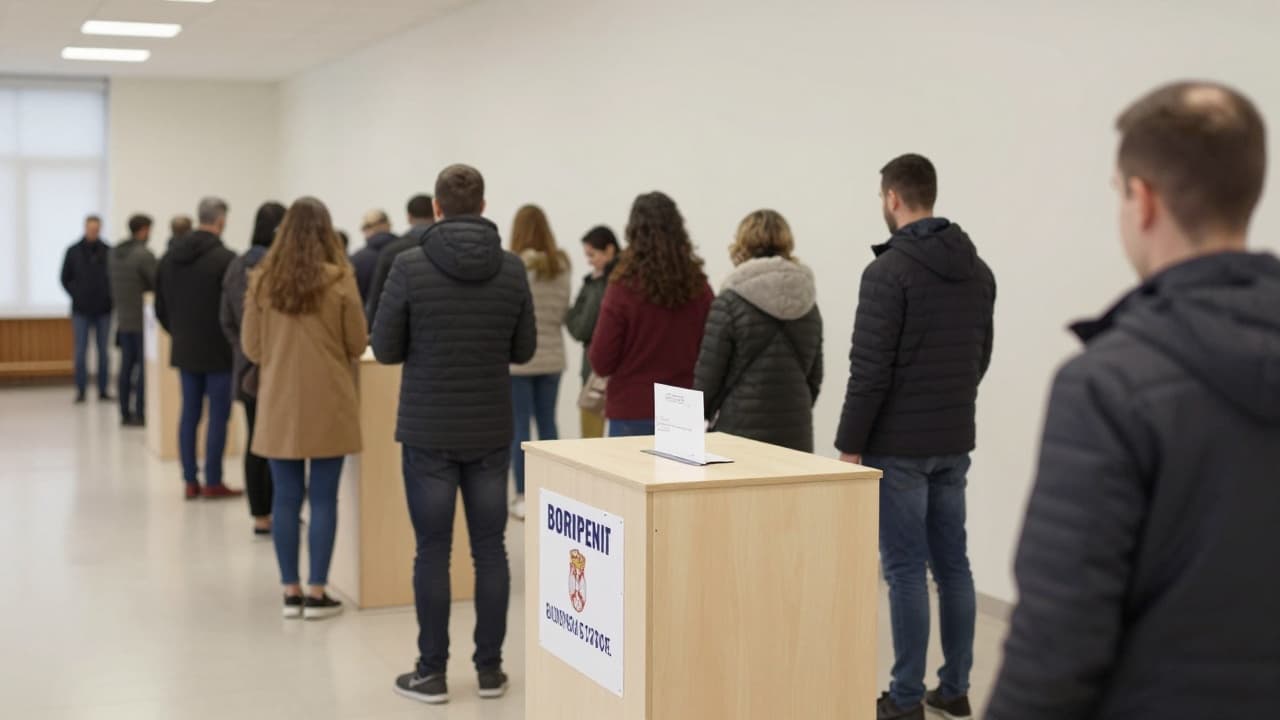
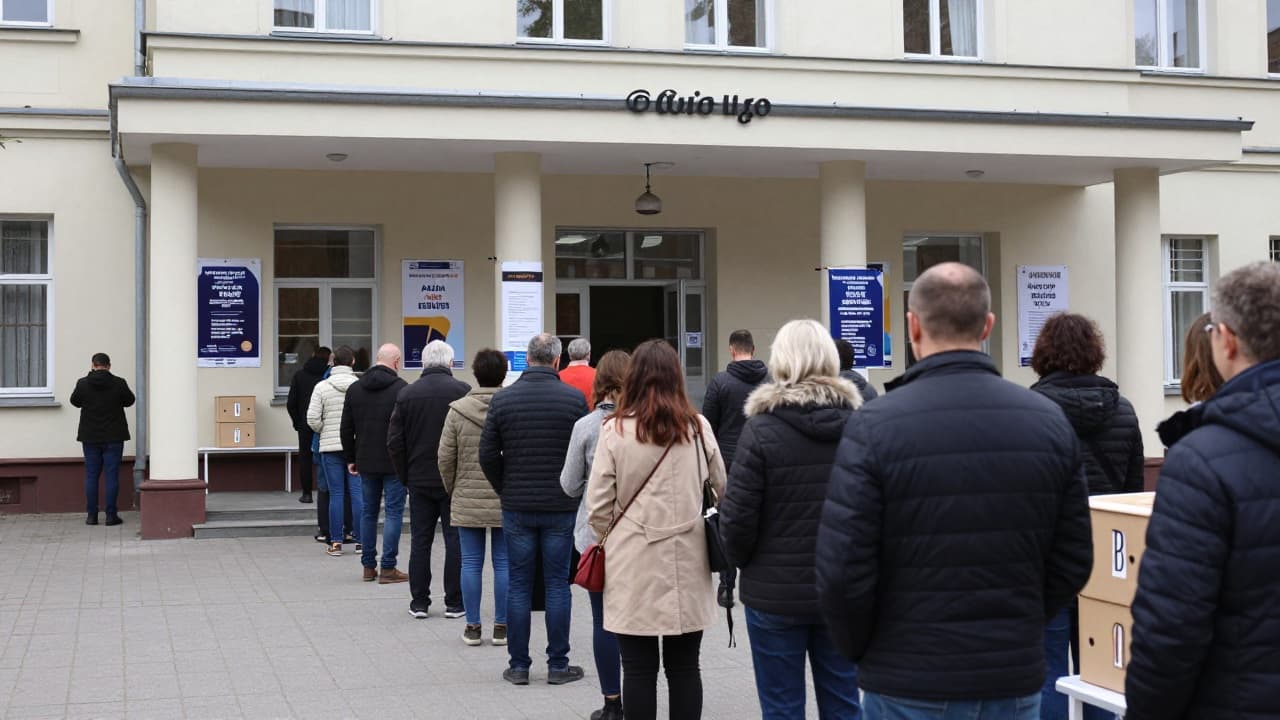
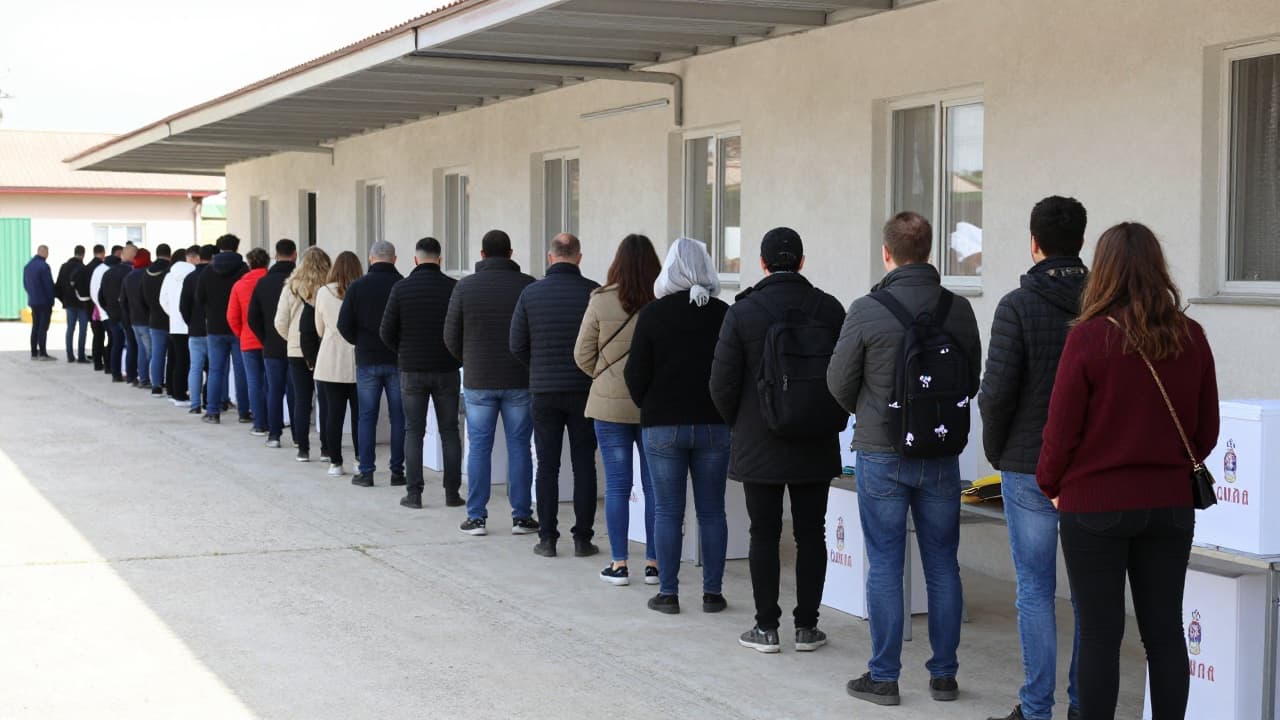
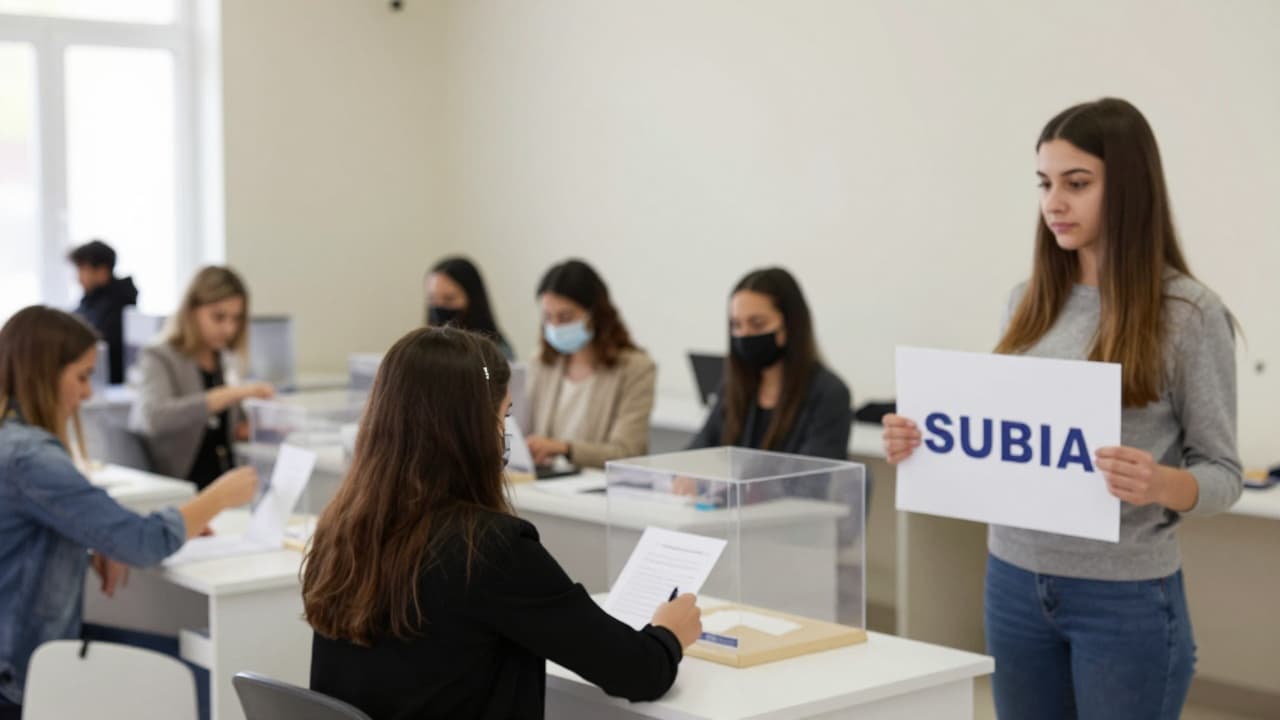
According to data from the Republic Electoral Commission, voter turnout was record-high. By 18:00 local time, two hours before the polling stations closed, 64.9 per cent of voters had cast their ballots. Vučić supported Serbia's candidacy for EU membership during the campaign, but refused to introduce sanctions against Russia for its invasion of Ukraine, while promising higher pensions, higher salaries in the public sector and investments in state healthcare. Vučić and the SNS have repeatedly rejected allegations of corruption.
The Student List has not offered concrete answers on the topic of Kosovo. Kosovo is an independent state with a population of around 1.6 million, the vast majority of whom do not wish to live under the rule of Belgrade. The European Commission has warned for years about political pressure on judges and prosecutors in Serbia, and there were almost no European Union flags at the protests; when a few appeared, protesters physically removed them.