Luiz Inácio Lula da Silva defeated Flávio Bolsonaro and was elected President of Brazil for the fourth time, not consecutively. According to nearly 99 per cent of counted votes, Lula won 51.75 per cent, while Flávio Bolsonaro received 48.25 per cent of the vote.
Lula, who turns 81 on Tuesday, narrowly lost to Bolsonaro in the first round in early October. Lula won on Sunday. His political career began in the late 1970s when he emerged as a trade union leader in the industrial suburbs of São Paulo.
Flávio Bolsonaro delivered a five-minute speech in which he did not answer questions. His speech appeared to be deliberately timed to begin only after Lula’s televised victory speech had ended. He did not mention that his campaign had also requested an extension of voting from the electoral court. He told his supporters: “I will not give up on my Brazil, and I hope you will not either.” He stated that it was “impossible to accept the election result” and that his legal team would seek to annul the election. He cited the Supreme Court judge’s decision to extend voting as the alleged reason.
Judge Cristiane Zanin’s decision extended voting from 17:00 to 19:00. Bolsonaro said the decision “was not normal, it was unacceptable” and represented “changing the rules of the game while the game was being played.” He claimed the decision came from “Lula’s friends at the Supreme Court.” Zanin previously represented Lula as his lawyer, and Lula appointed her to the court. The judge ordered the extension a few minutes after 17:00, the scheduled time for polling stations to close.
Colleague judge Kassio Nunes Marques spent hours without deciding on Lula’s campaign’s request. Bolsonaro appointed Marques, who is currently the president of the electoral court. During the campaign, Marques was criticised for bias in decisions that favoured the far-right senator. Flávio Bolsonaro is calling for Brazilian election results to be “annulled” and says he will not accept defeat from the incumbent president.
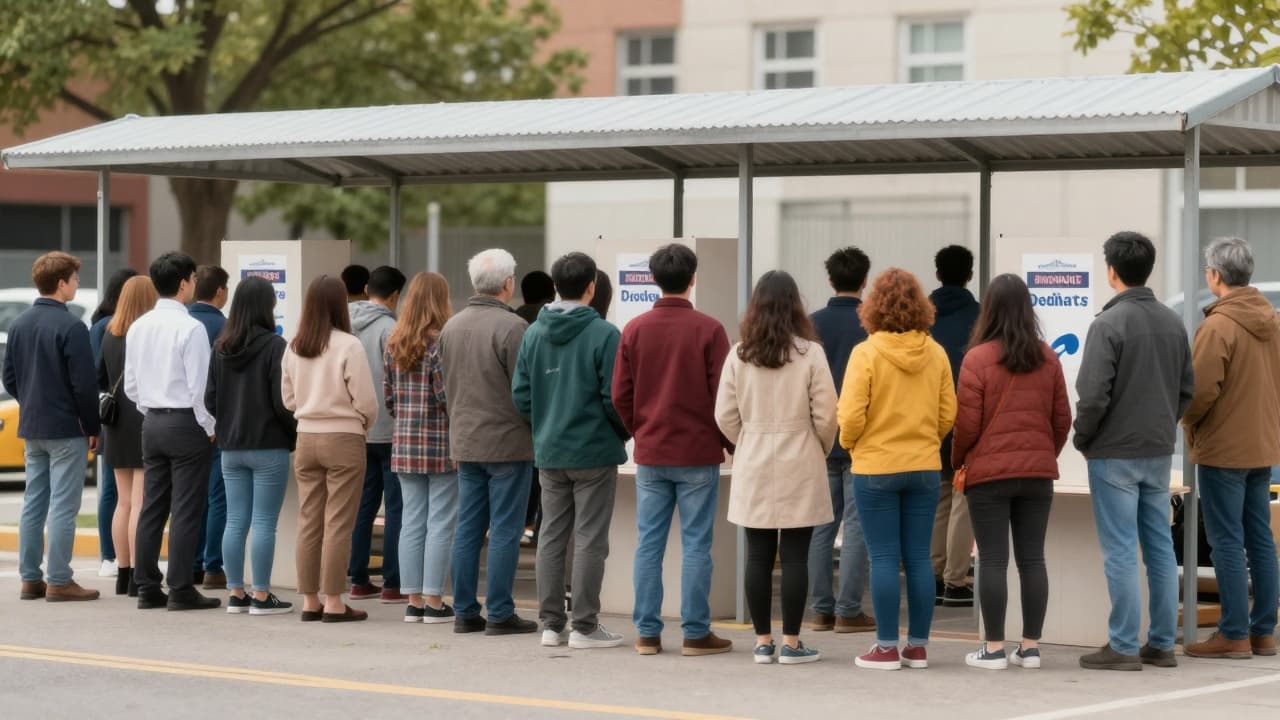
The Brazilian Supreme Court extended voting by two hours on Monday at the request of both candidates. Lula’s request followed problems in nine states with buses transporting voters to polling stations. Bolsonaro’s request was due to heavy rains in the south of the country. Lula said his campaign had defeated foreign interference through digital platforms and that platforms should be regulated. He also said the campaign had succeeded in convincing people that voting was extremely important for protecting democracy in Brazil. His party will change the way the country is governed and enable greater participation of people in the decision-making process.
The local electoral court ordered the urgent establishment of 100 per cent of the bus fleet. The court also ordered the arrest of the traffic secretary of the municipality of Pablo Souza on suspicion of electoral fraud and non-compliance with court orders. The arrest warrant could not be executed because Pablo Souza was in Paris on what the city government described as an “official mission.” Souza is not expected to return to Brazil until Monday. Late in the afternoon, Flávio Bolsonaro filed requests to extend voting by two hours in cities in the states of São Paulo, Paraná and Santa Catarina.
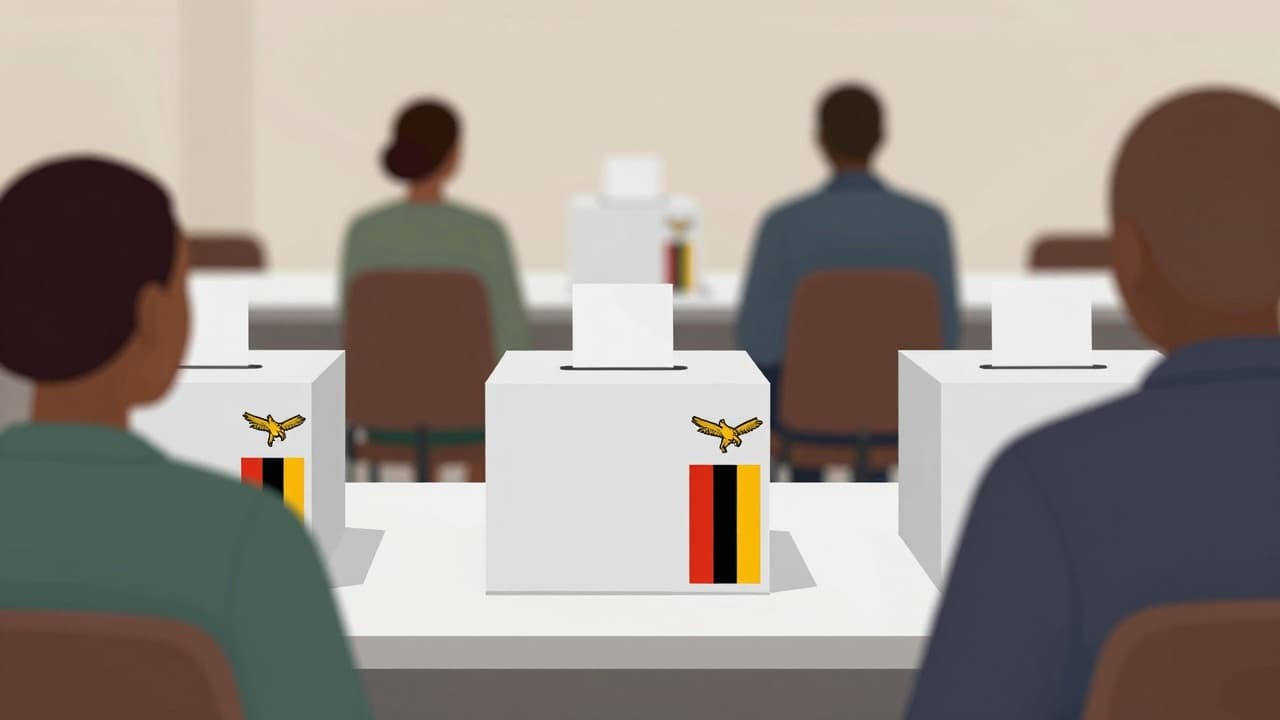
The Brazilian president is elected exclusively by direct vote. The winning candidate needs one vote more than 50 per cent of the votes cast. Parliament has no role, and there is no electoral college. No candidate reached 50 per cent in the first round on 4 October, so the two leading candidates went to a second round. Flávio Bolsonaro is the son of far-right former president Jair Bolsonaro, who is serving a 27-year prison sentence for planning a failed coup after losing to Lula in the 2022 elections. Jair Bolsonaro supported his son and hopes to be released if he wins. Flávio Bolsonaro is a lawyer and former senator from Rio de Janeiro.
Lula defeated Jair Bolsonaro in the second round in 2022. His electoral base is concentrated in the north-east of the country, while Bolsonaro led in the south. Lula entered the second round in 2022 as the leading candidate from the first round. He won in the key state of Minas Gerais, north of Rio de Janeiro. In the first round of the 2026 elections, Bolsonaro defeated Lula in Minas Gerais with 48.43 per cent to 43.33 per cent. Lula’s campaign was encouraged by mass student protests against Bolsonaro after the first round. Lula is already the longest-serving president in modern Brazilian history. He served two terms from 2003 to 2010, and returned to office in 2023.