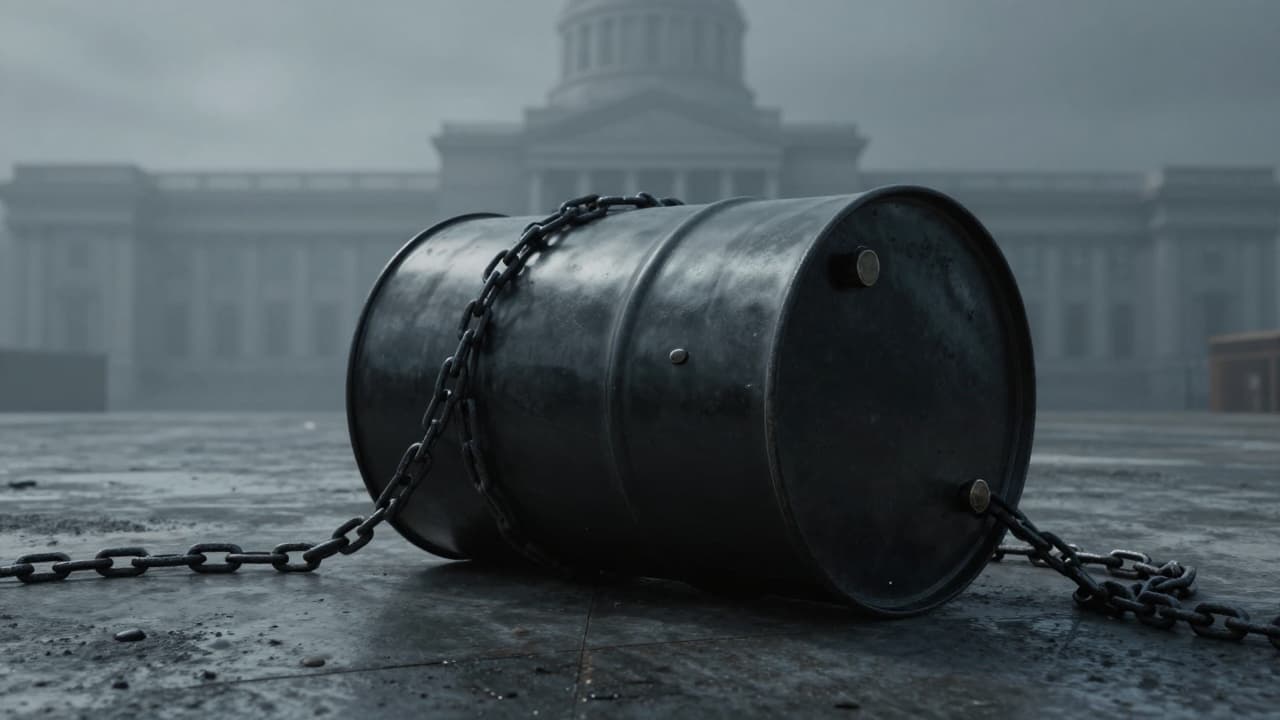
The US House of Representatives has passed a bill granting the President powers to impose specific tariffs. This measure, approved with 262 votes in favour and 159 against, represents a significant step in US sanctions policy, with a particular focus on restricting energy flows from Russia. The proposed tariffs on imports are up to 100 per cent, representing one of the strictest measures in recent years aimed at pressuring the Russian economy.
The key element of the new regulations is a focus on countries purchasing Russian oil and gas. Given that China accounts for 51 per cent of Russia's revenue from fossil fuel sales, this measure directly impacts key trading partners. The bill, meanwhile, stipulates an extension of sanctions on Iran until 2030, thereby expanding the circle of countries subject to strict measures, unless an agreement is reached to change their activities.
The Kremlin, in response to the news, stated that the sanctions were a hostile move. The Kremlin stressed that these measures further complicate the achievement of a peace agreement, indicating deep concern from the Russian side. The Kremlin stated that these sanctions would further complicate efforts to achieve peace, highlighting that they hinder diplomatic efforts and deepen tensions. This reaction indicates the seriousness of the conflict and the fact that sanctions have become a key instrument in international relations, particularly in the context of the conflict in Ukraine.