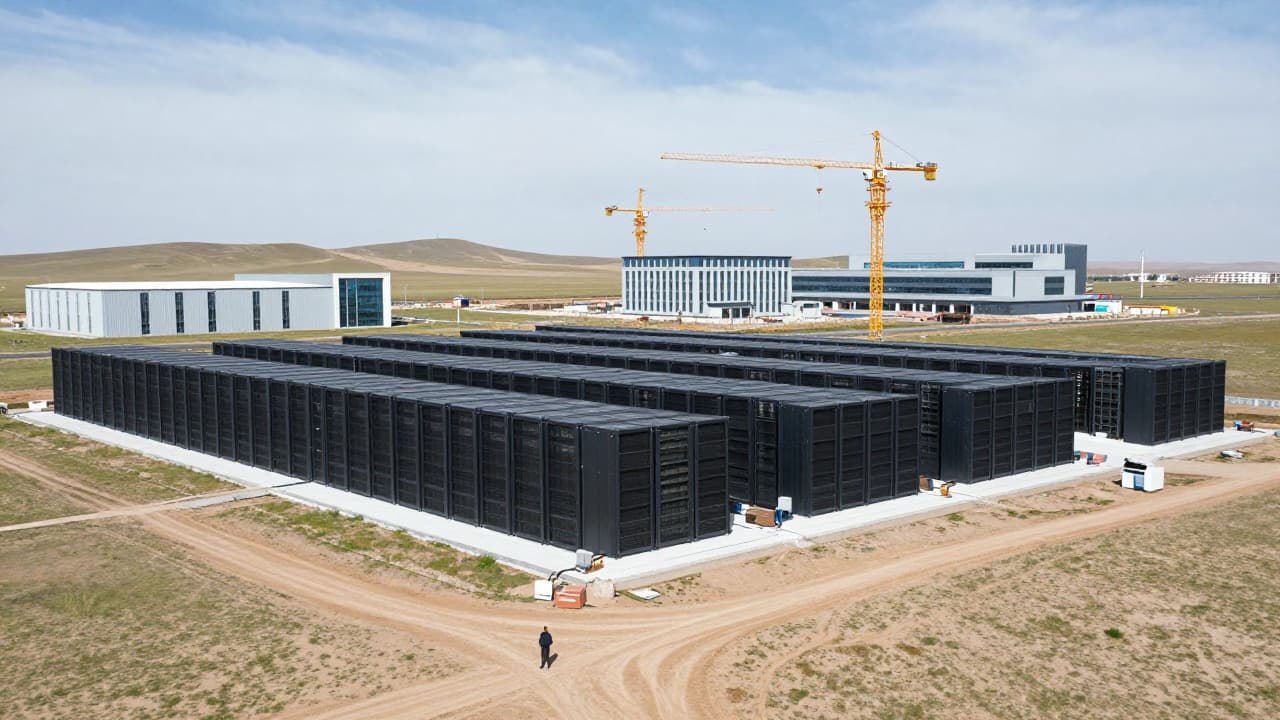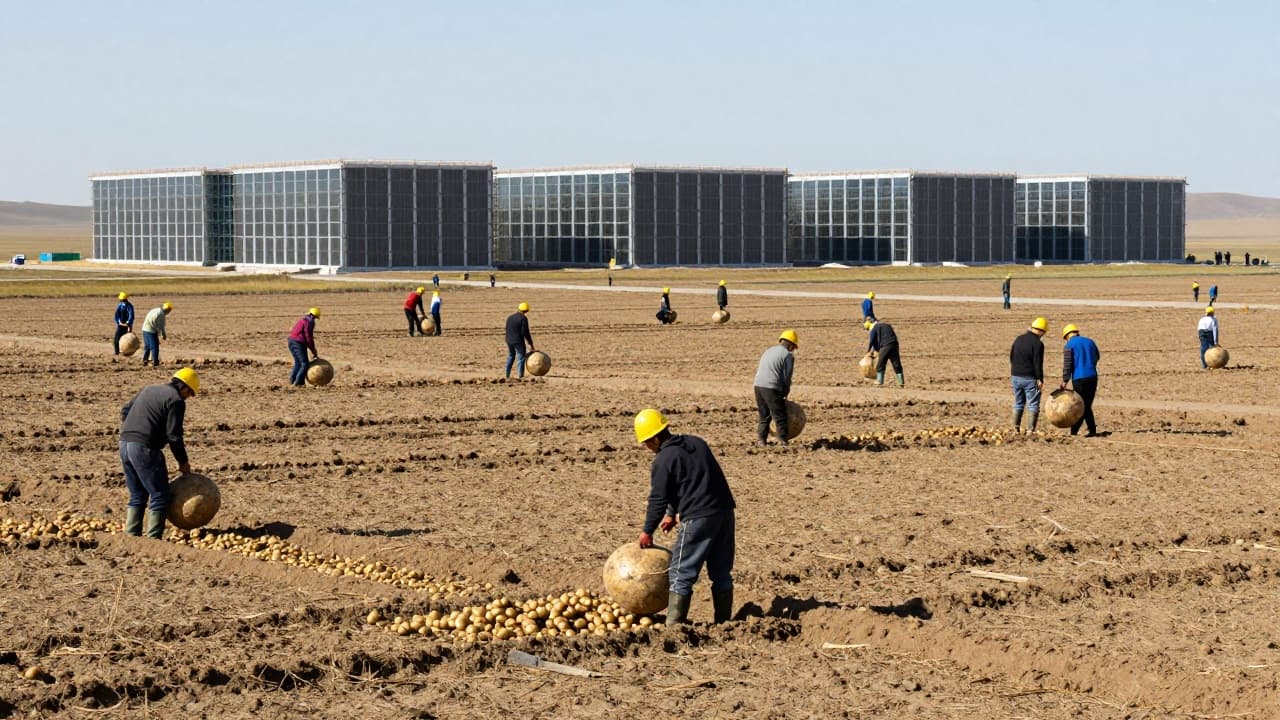
In Inner Mongolia, farmers are harvesting potatoes alongside vast rectangular blocks that will power Chinese AI platforms. Ulanqab, which has long been the official 'potato capital' of China, is now undergoing a transformation as its fields are turned into construction sites for a series of data centres.
Hundreds of workers in yellow hard hats are carrying heavy equipment to the construction site. One worker stated, 'This is China speed', while another described their country as 'an infrastructure maniac'. An electrical engineer said, 'There is one phase every year. This is the second phase', adding that many more phases will follow.
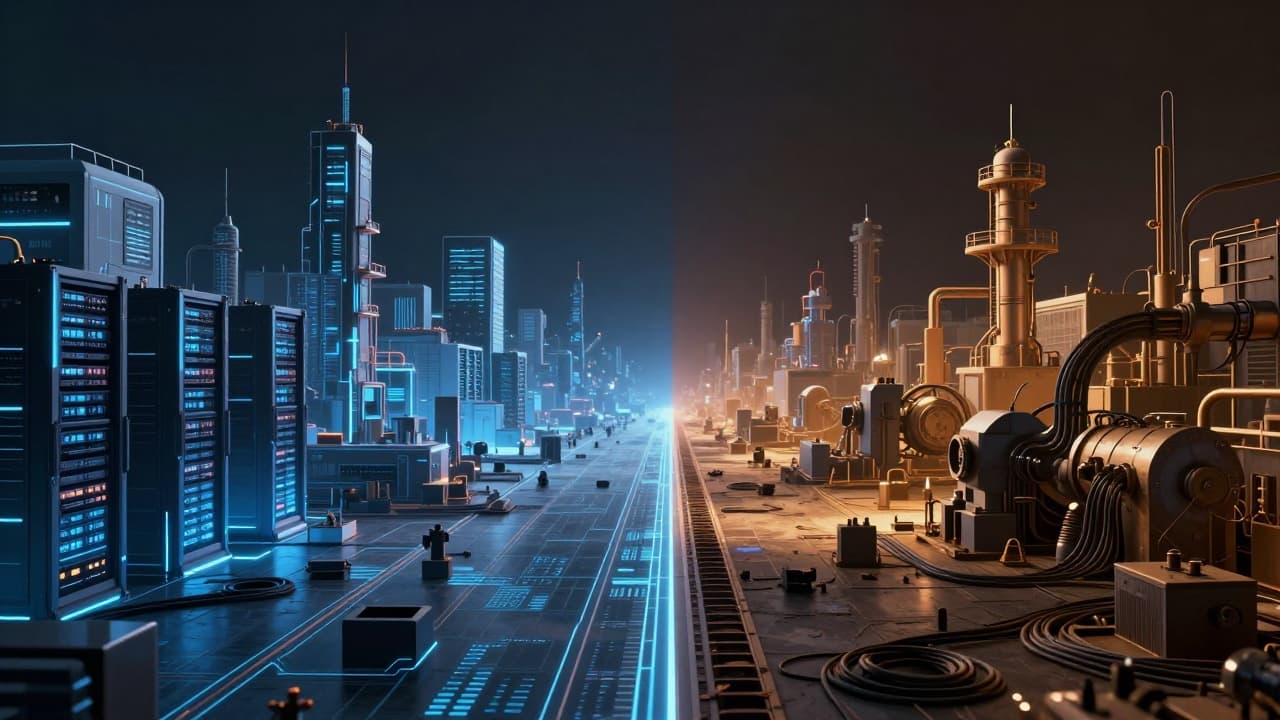
Artificial intelligence is at the heart of the competition between China and the United States, with the key lying in the computing power within data centres. The Chinese Communist Party views these buildings as crucial for the country's economic and national security. China plans to integrate AI into 90 percent of industries and society by 2030.
Jack Zhang from the China University of Science and Technology stated, 'Fewer students and researchers are heading to the US, and more are returning from the US to China. That is very clear.' Zhang, who studied at Yale in the US and Cambridge in the UK, said he wanted to apply AI research from the laboratory to human health and medicine.
President Trump stated last week, 'Whoever wins AI, wins.' The head of the AI company Anthropic, Dario Amodei, called for maintaining US leadership in restricting the sale of advanced chips and equipment to China. Amodei warned that Chinese leadership 'poses a grave danger to the US and the world'. Xi is set to travel to Washington on Wednesday.
The state-owned Global Times dismissed American fears as part of a 'Cold War playbook' designed to 'contain' China's rise. Xi is encouraging Chinese AI companies to develop open-source models that are accessible. OpenAI and Anthropic use closed-model approaches, with their design elements kept secret.
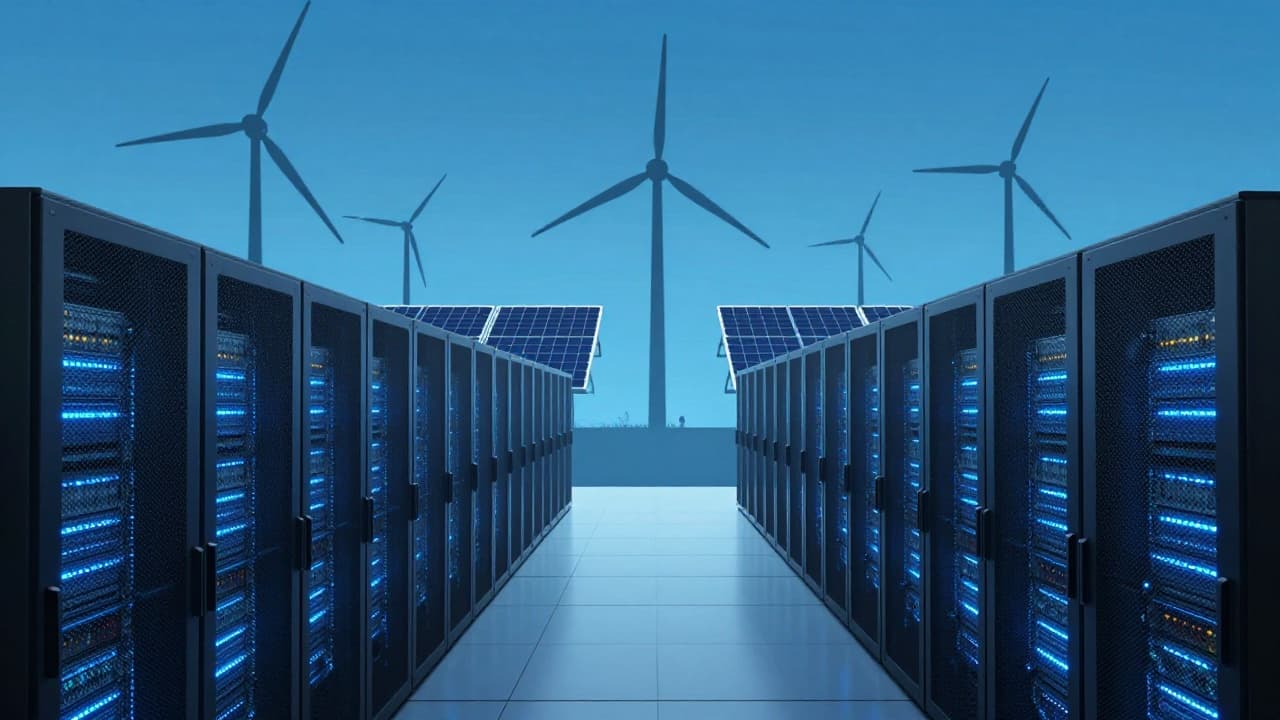
China is building hundreds of data centres for Huawei, ByteDance, and DeepSeek. Data centres are being constructed in sparsely populated provinces: Ulanqab, Ningxia, and Gansu in the north, and Guizhou in the south. China has already built vast renewable energy capacity - wind and solar power - in these regions. China wants the majority of its data centres to be powered by green energy by 2030, although part of China's grid is still powered by coal.
Water supply remains a concern in the dry, arid regions of Inner Mongolia. Entire villages have been relocated, but it is difficult to determine the number or the compensation offered to residents. One local resident, speaking anonymously off-camera, said, 'This big data has absolutely nothing to do with ordinary people.' and 'What benefits has it brought us?' This local resident stated that few local people have found work there. Others expressed fear that their land would be taken and they would no longer be able to farm for a living.
A man surnamed Zhang, who stated that he, said, 'China is now at the forefront of the world' and added that his children were able to find work there. Zhang said, 'It is not like the 1960s, when it was relatively backward. China is doing well now. Whether in economic development or other areas, it is doing well.'