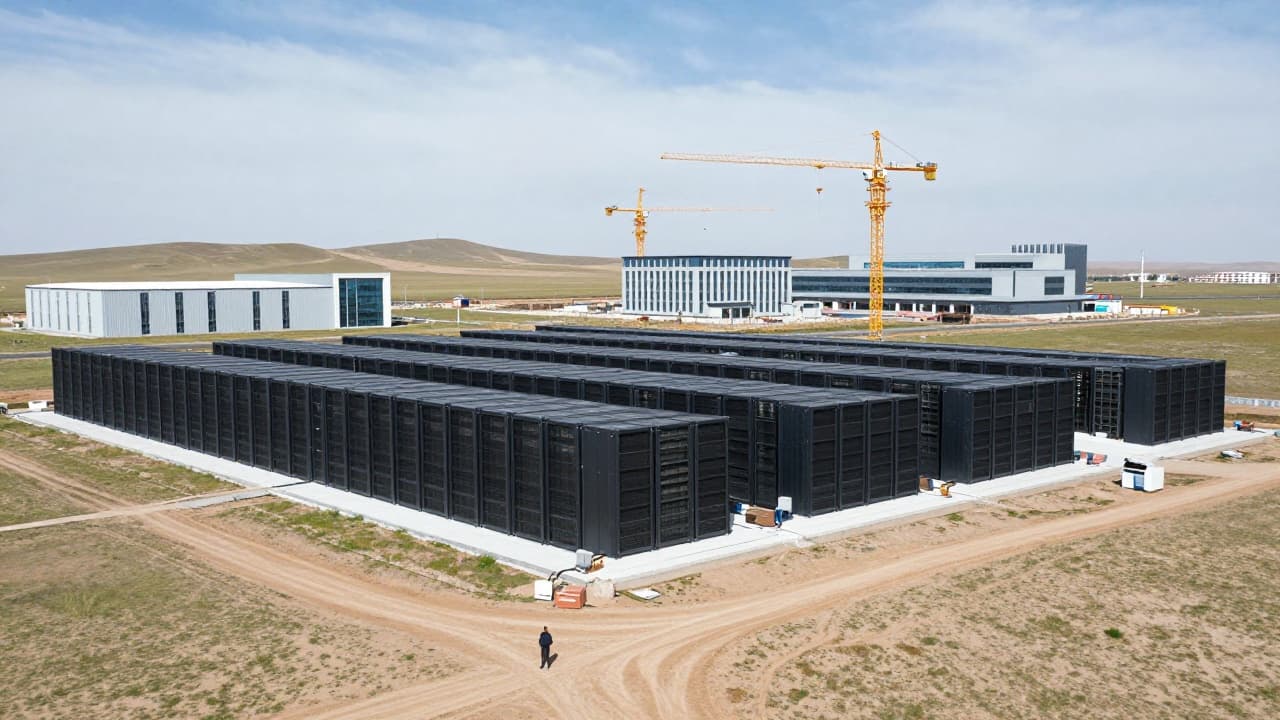
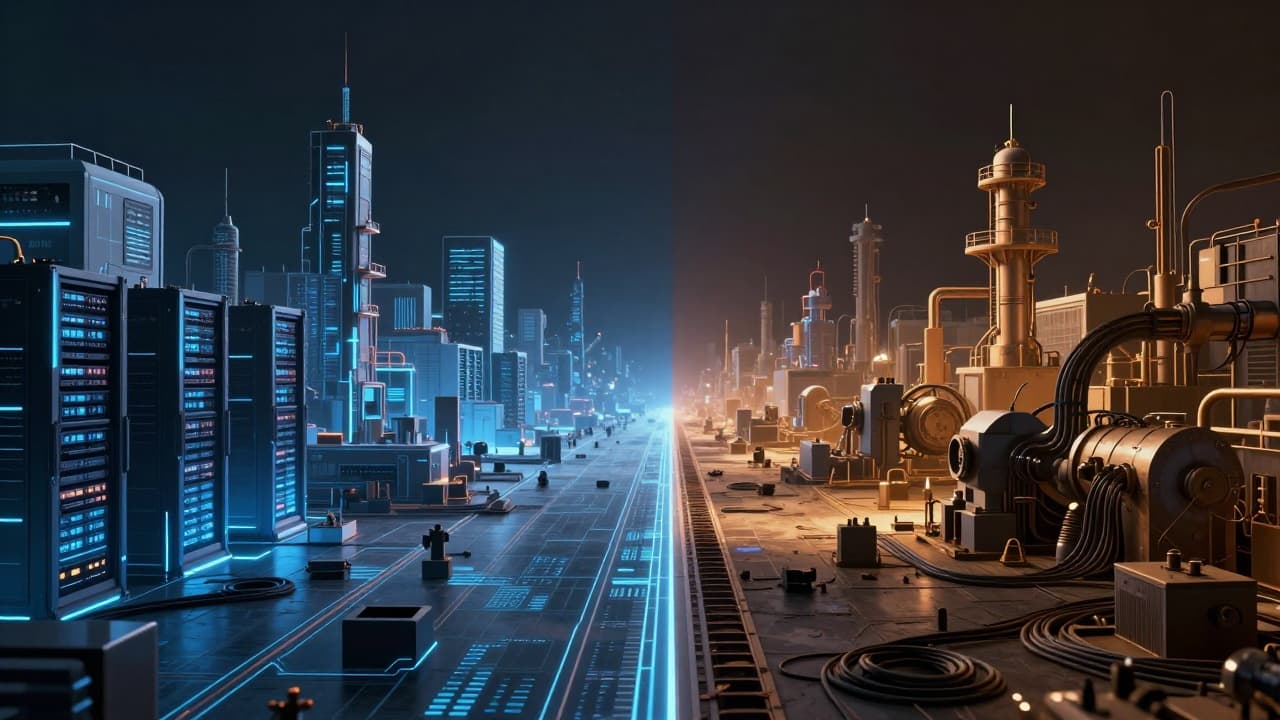
The world is increasingly divided into two separate artificial intelligence ecosystems. Technological competition is becoming a key geopolitical instrument. Although the fundamental struggle is for the development of the most advanced models, the real battle is taking place at the level of physical infrastructure. This involves chips, data centres, critical minerals, technical standards and regulations.
One of the main forces in this arena remains the US technology and industrial ecosystem. It relies on a complex global supply chain. In this value chain, the US, Taiwan, South Korea, Japan and the Netherlands play a key role. On the other side, China is creating its own international platform for artificial intelligence. This platform offers infrastructure, technology, training and development partnerships. China is relying on a large domestic industrial base and strong state support.
China, for instance, has signed an agreement to form an intergovernmental organisation. This organisation promotes international cooperation and global governance of safe artificial intelligence. Its presence among countries in the global south is very strong. It includes states such as Brazil, Indonesia, South Africa and Pakistan.
On the other side, Western countries, led by the US, are developing initiatives focused on artificial intelligence infrastructure. This division creates a risk of permanent fragmentation. Different technology blocks may develop different technical standards, security protocols and regulatory frameworks. The problem is not whether a country can use a particular AI model. The problem is whether its infrastructure, regulations and digital economy can communicate seamlessly with other ecosystems.
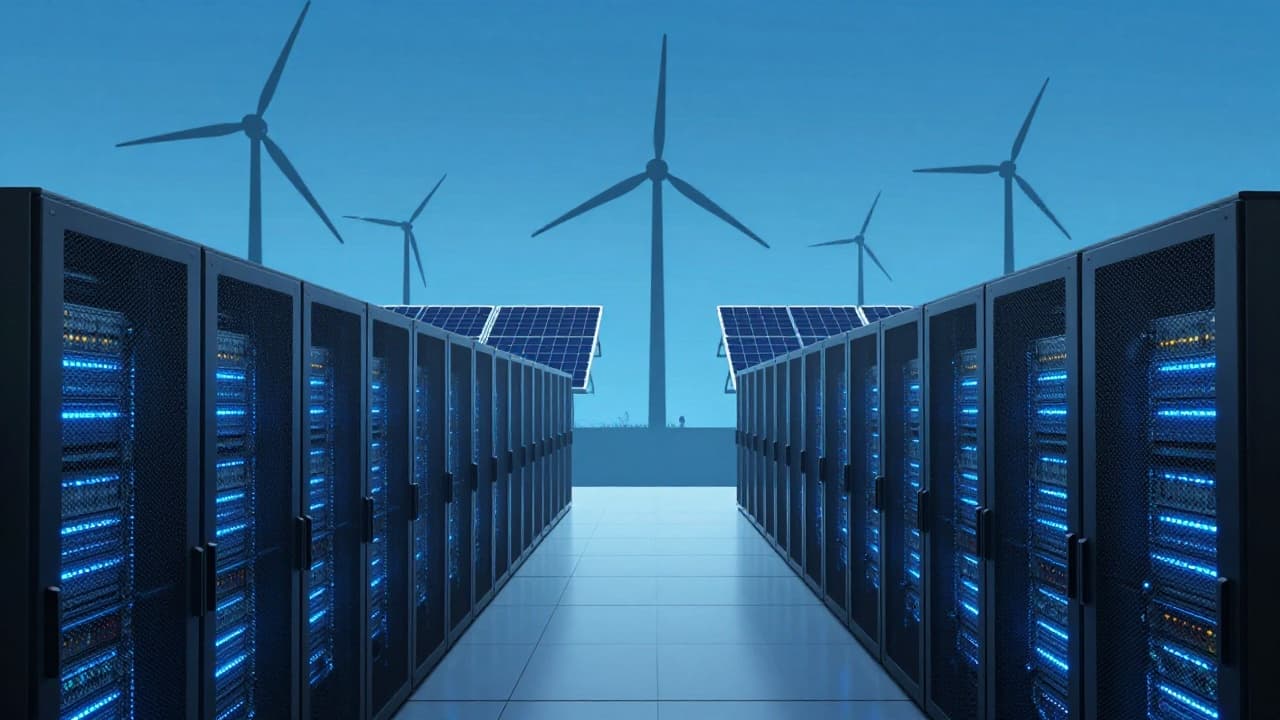
Countries that are not technological superpowers, such as those in Latin America, Africa or Asia, are often in a position where they must choose between these blocks or seek a balance. For many, connecting to multiple technology ecosystems remains a rational strategic option. This dynamic is further complicated by the fact that all AI models consume vast amounts of electricity. The growing number of models and their use requires increasingly more data centres, chips and electrical infrastructure. Competition is therefore increasingly about who has sufficient electricity. Those who can produce it quickly are building the necessary networks.