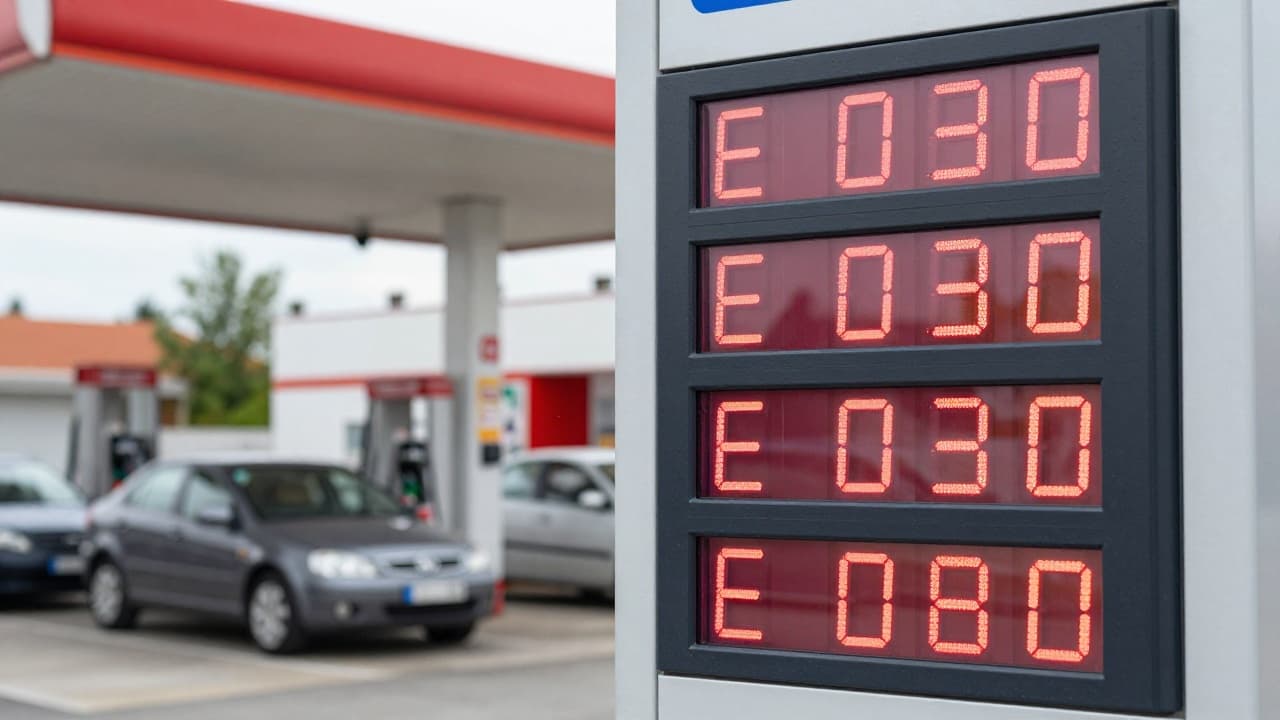
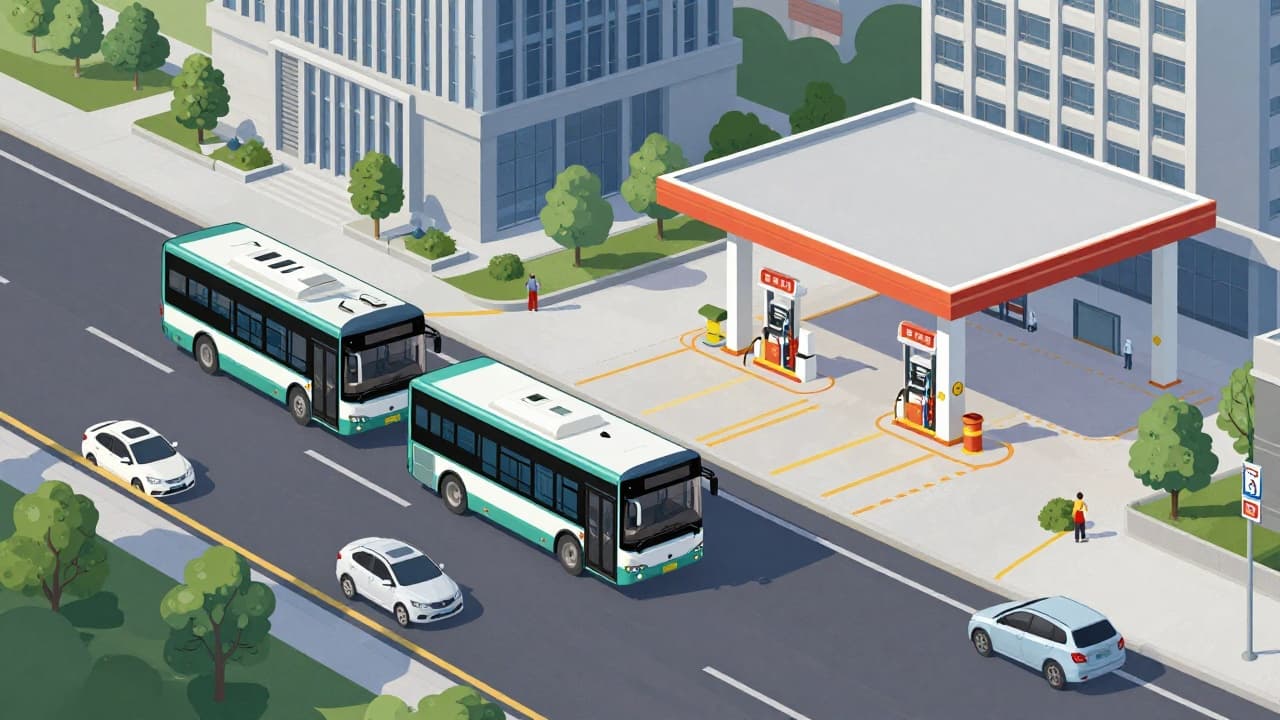
China has recorded a fall in emissions, a direct consequence of complex geopolitical shifts in the Middle East. The fall in emissions, at one per cent, is the result of reduced oil consumption in the country, a trend further accelerated by the growing use of electric vehicles and the development of public transport. These shifts in energy consumption patterns have become key factors shaping the current state of the Chinese energy market, which is directly linked to global geopolitical tensions.
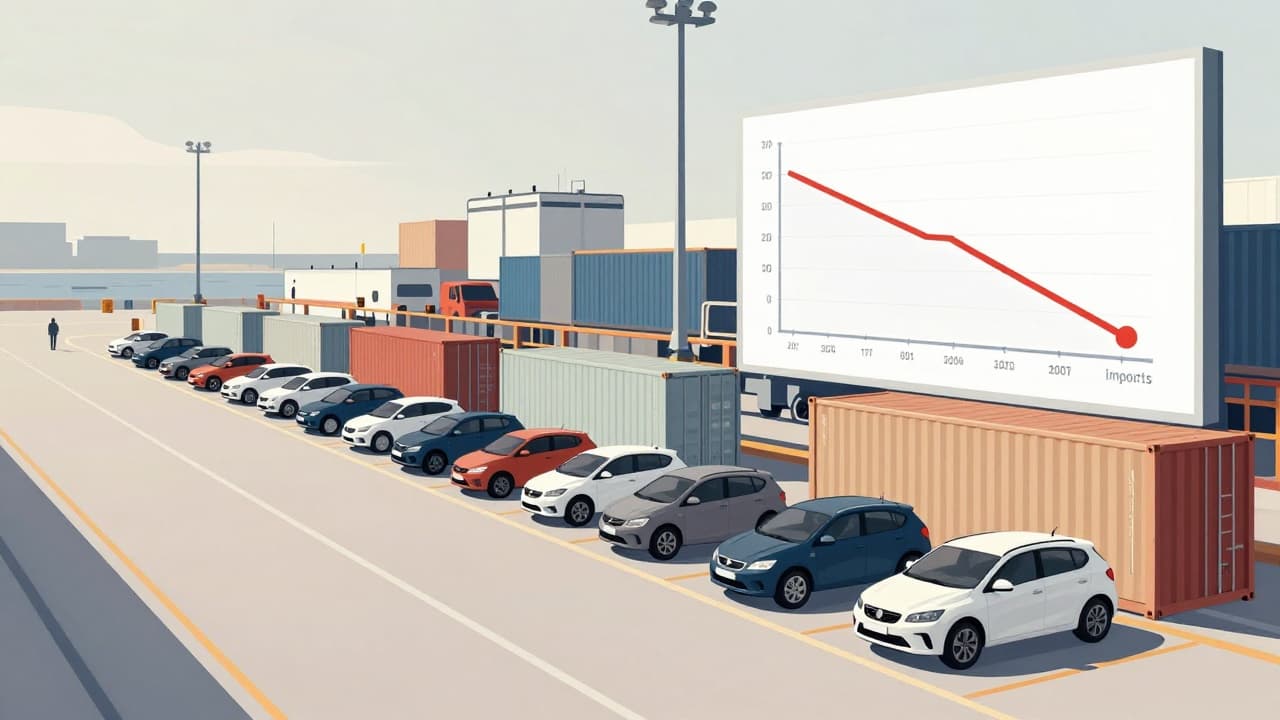
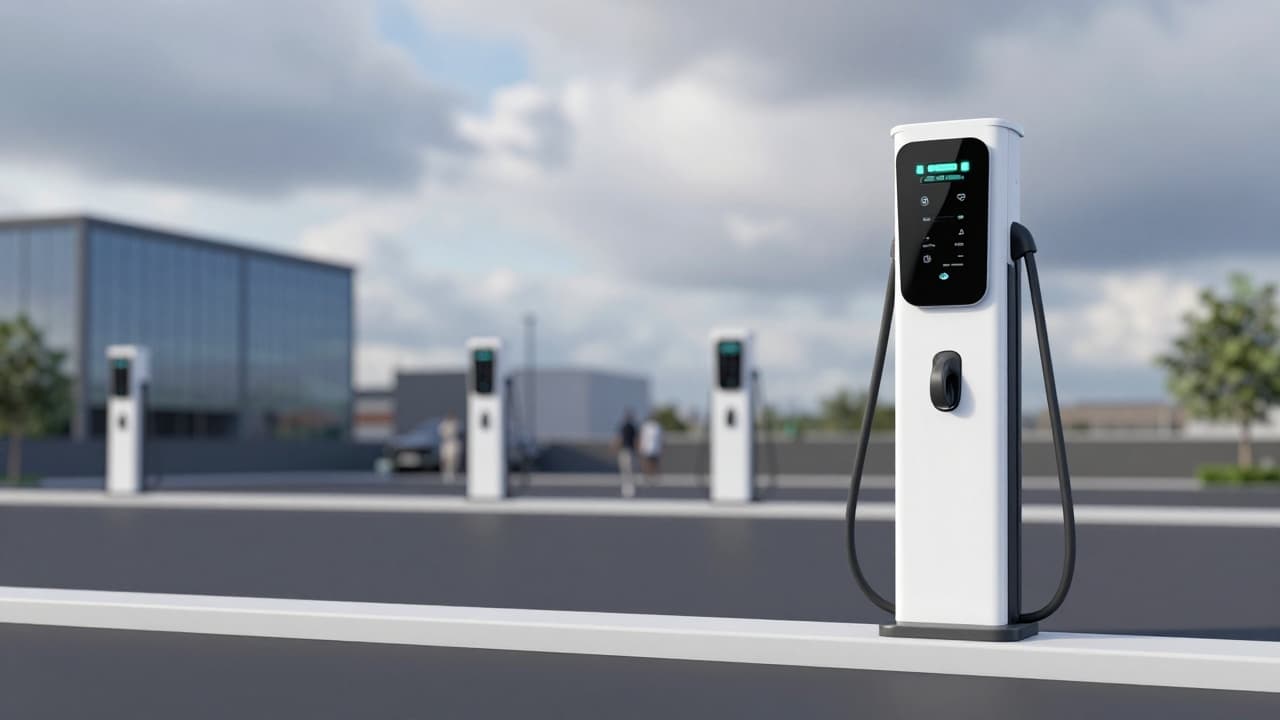
China’s oil imports have fallen by 32 per cent, equivalent to a loss of around one million barrels a day. This drop in imports, which in the second quarter felt like a 9 per cent fall in consumption, has primarily affected the transport sector, where oil use has fallen by 16 per cent. In the first half of 2026, the shift towards electric vehicles has exceeded the equivalent of the whole of the UK’s six-month oil consumption, illustrating a significant shift in consumption habits.
Analyses have shown that two-thirds of the fall in imports has been offset by a reduction in stocks, rather than their expansion. Strategic reserves have been drawn down rather than built up, further contributing to the fall in imports. The remaining third of the drop in imports has been offset by a fall in demand, with a large number of petrol and diesel vehicles taken out of circulation. At the same time, a rise has been recorded in travel by electric cars, buses, trains and trucks.
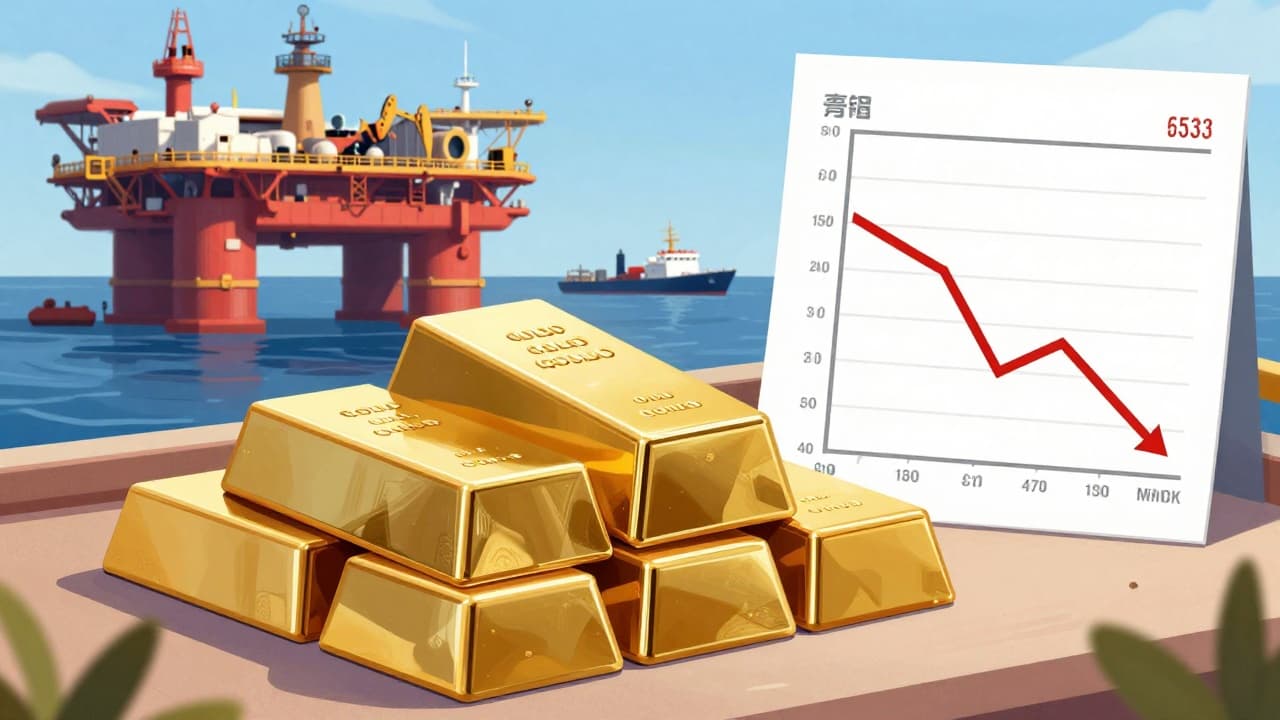
These changes are taking place against a backdrop of global market fluctuations, where oil prices have risen by around 60 per cent in the weeks and months following the first air strikes in late February. China, as the world’s largest producer, consumer and exporter of batteries, electric vehicles, wind turbines and solar panels, is exerting increasing influence on the global energy market. These strategic shifts highlight the growing influence of China’s industry on the global energy market, while simultaneously reducing dependence on traditional energy sources.