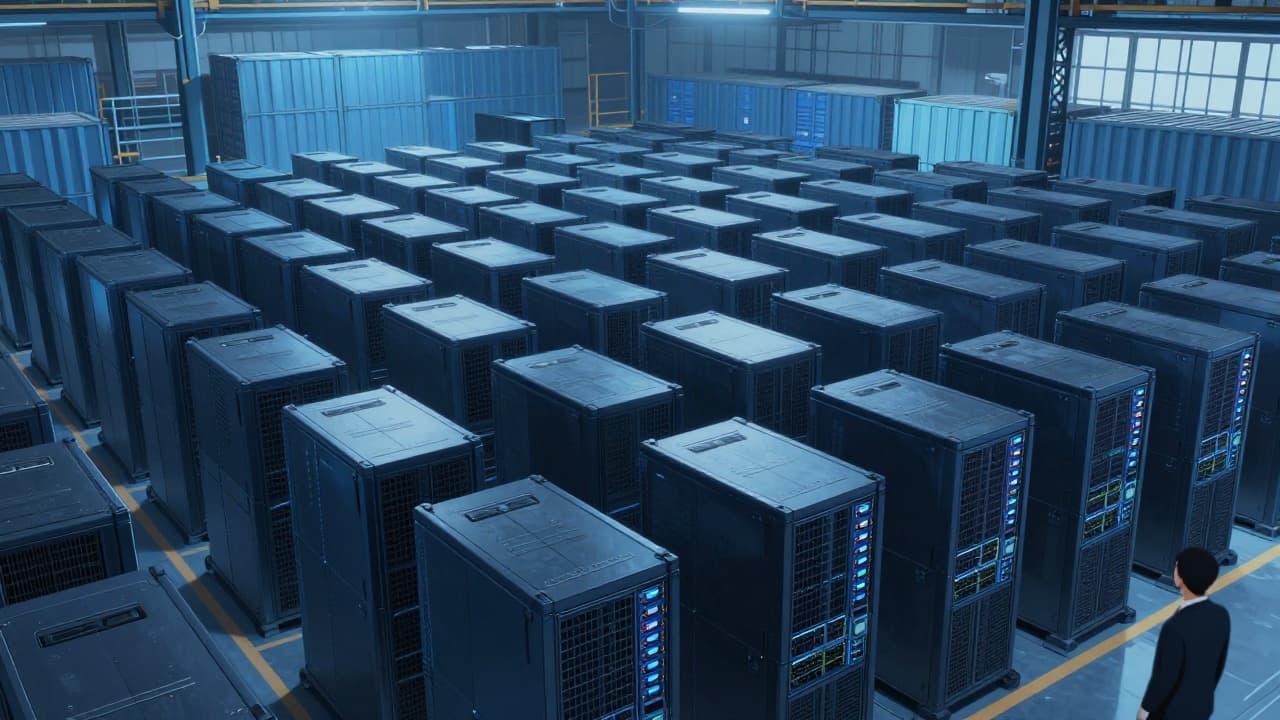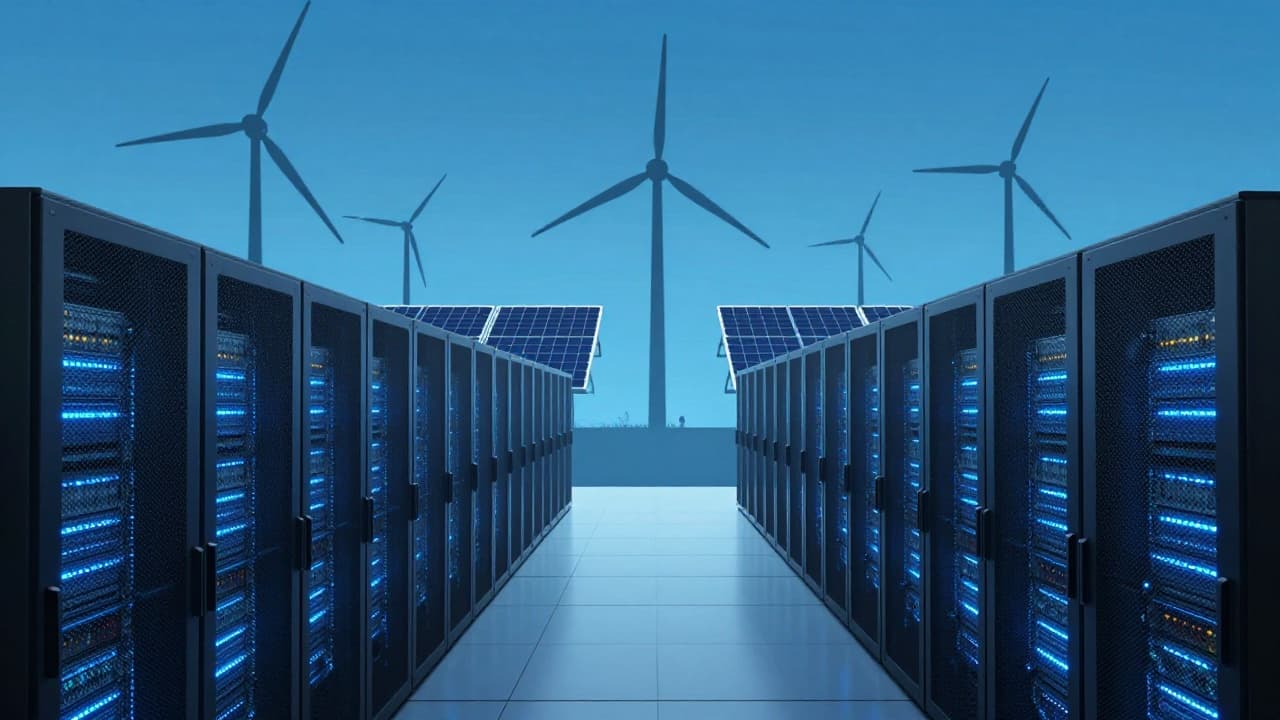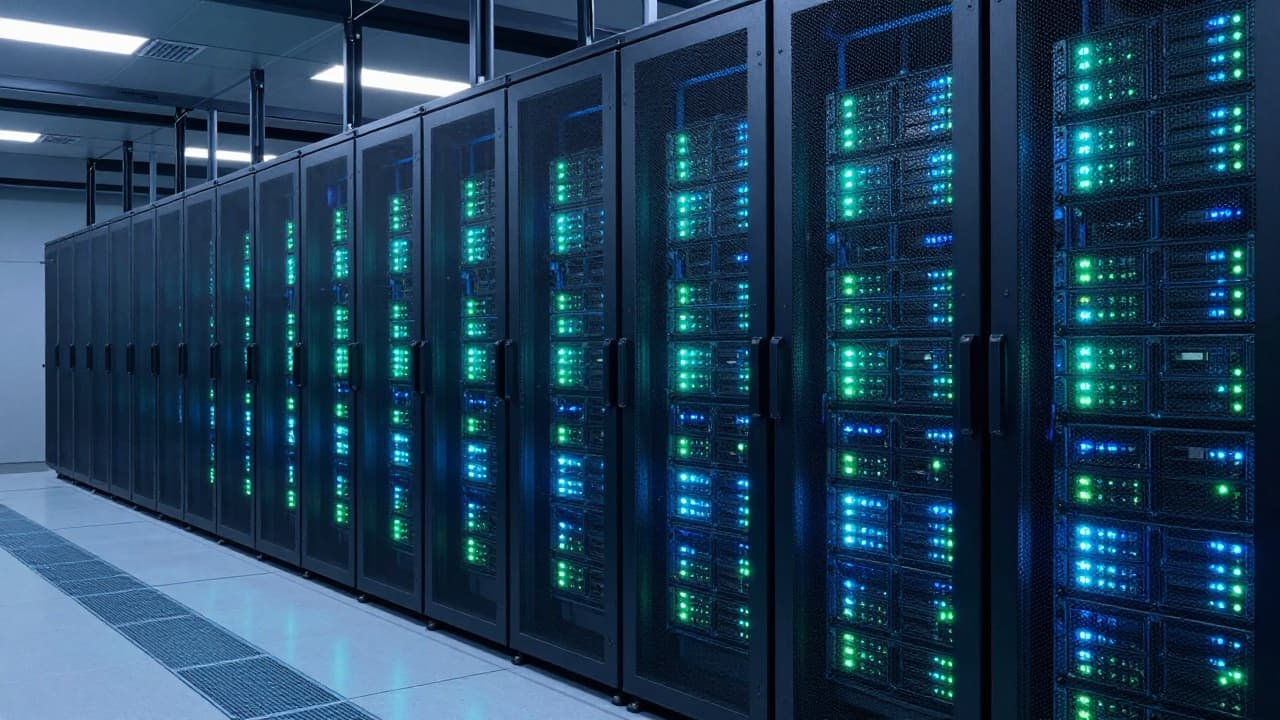
Never has so much money been invested in a new technology as in artificial intelligence, and these figures overshadow the spending on railways or the internet when those technological revolutions were the stars of capital. According to a PwC projection, cumulative global spending on data centres alone could exceed $30 trillion by 2050, which is equivalent to the value of issued US Treasury bonds. PwC highlighted that the amounts spent on developing railways or the internet would seem 'dwarfed' by today's figures, even after adjusting for inflation.
Anthropic plans to spend $518 billion in the coming years, according to a prospectus for an initial public offering seen by Reuters. That is more than 100 times Anthropic's 2025 revenue. Proponents of Anthropic argue that artificial intelligence technology will be more transformative than the emergence of steam engines and the industrialisation they drove.
Economists warn that behind the dizzying projections and huge outlays of AI companies lie assumptions of massive productivity gains and future profits, yet little evidence has emerged that these can be realised. In August, JPMorgan wrote that productivity gains in the US 'remain out of reach'. A study by Bain & Company stated that productivity gains from existing markets would not be sufficient to justify current spending, and that 'new markets must emerge to close the funding gap in financing'. Bain added that American heavyweights such as Google, Amazon, and Microsoft, and other players in the AI race, need to find over $4.2 trillion in new revenue in the next five years to finance development.
Investment in the US, which accounts for around three-quarters of global AI investment according to some estimates, could reach around $9 trillion in the period from 2025 to 2032. This is equivalent to an annual spending of 3.2 per cent of US GDP, according to a statement by Stijn Van Nieuwerburgh, an economist at Columbia Business School. Van Nieuwerburgh estimates that the US AI sector would need to generate around $3.55 trillion in annual revenue to justify a 10 per cent return on investment. Currently, the sector is generating only a fraction of that amount.
Dario Amodei of Anthropic stated that the future with artificial intelligence could be 'something transcendentally beautiful'. Sam Altman of OpenAI said that 'the pace of creating new wonders will be immense' as models learn to improve themselves and accelerate technological breakthroughs. Diane Coyle, an economist at the University of Cambridge in the UK, noted that in the case of previous revolutionary technologies, it typically took between 10 and 50 years for their impact on productivity to fully manifest in the economy.
Amodei previously forecast that artificial intelligence could eliminate half of all entry-level jobs in the office sector within five years. Some researchers suggest that this has been limited to making it harder for job seekers to find office work. Researchers at Stanford University said in August that employment for workers aged 22 to 25 in industries exposed to artificial intelligence, such as accountants and paralegals, was 19 per cent lower than for jobs that are difficult for artificial intelligence to replicate, such as cleaners and construction workers.
Historical examples show that technological revolutions do not stop after financial crises. Railways continued to operate after the financial crisis of 1873, which led to the bankruptcy of railway magnates, and the internet did not cease to function after the dot-com bubble burst in the late 1990s. Coyle concluded: 'History helps us to understand this' and 'As long as we have the infrastructure needed to support the future effects on productivity, everything is fine.'