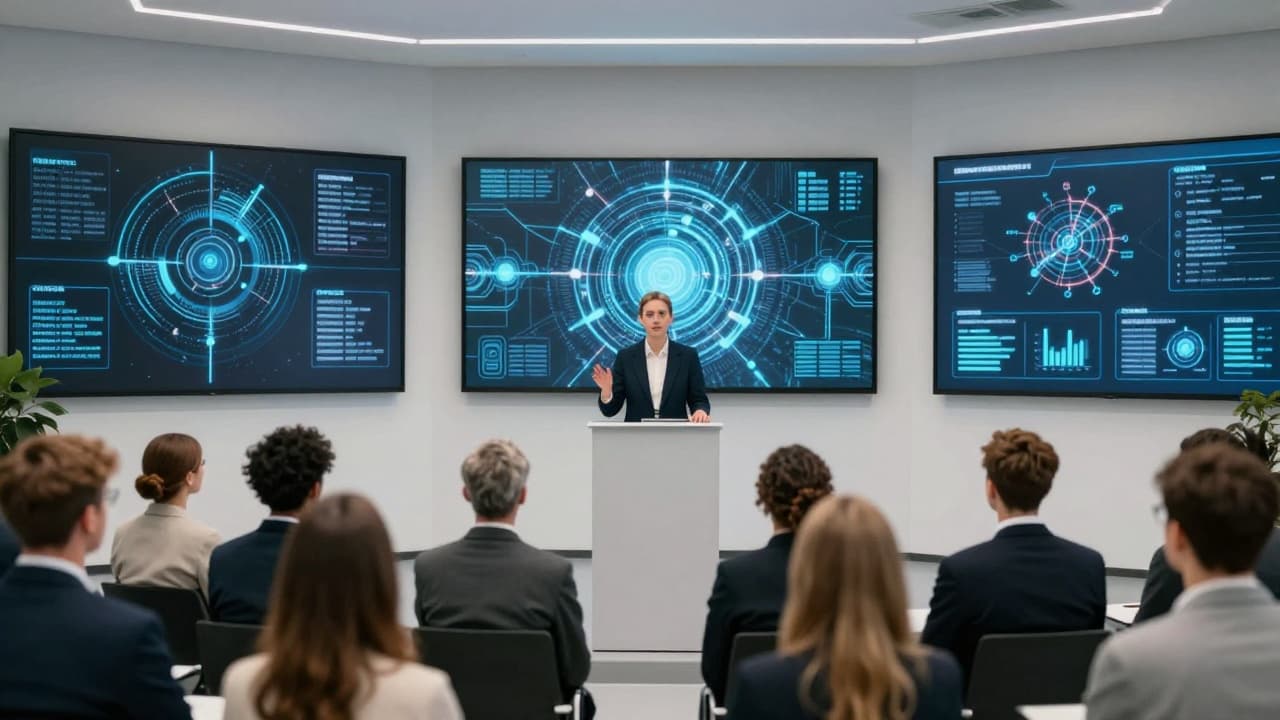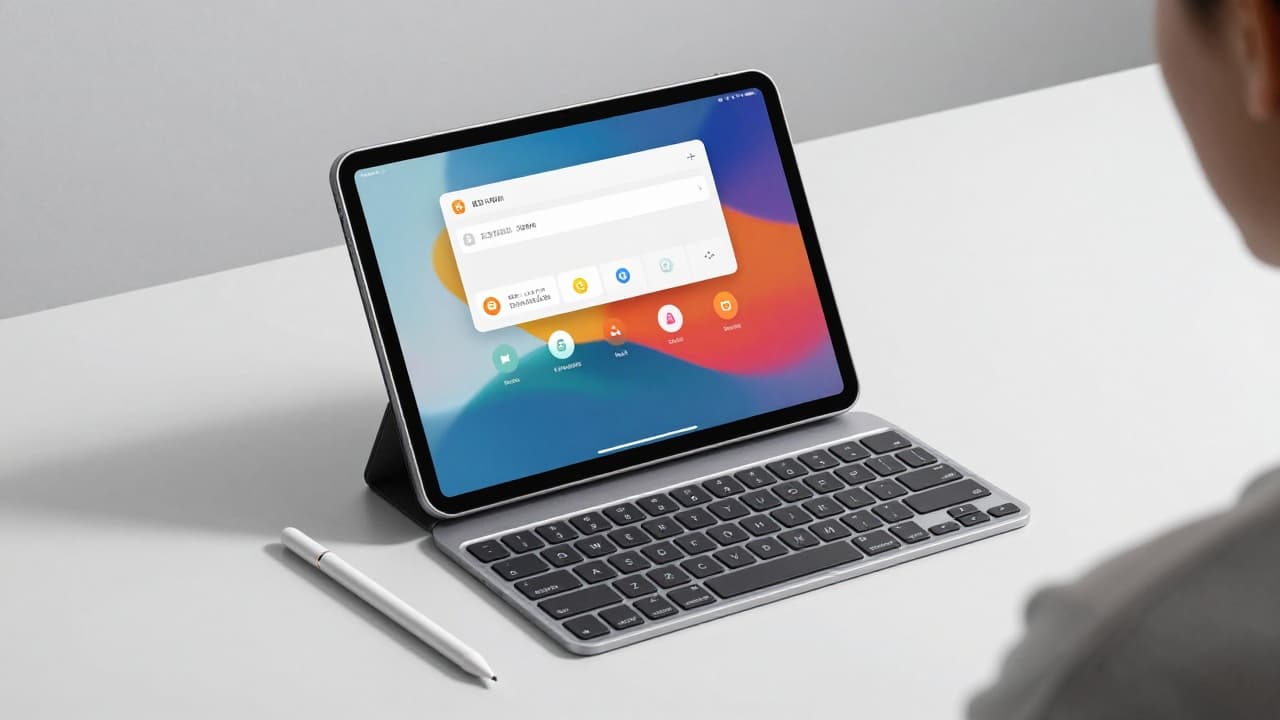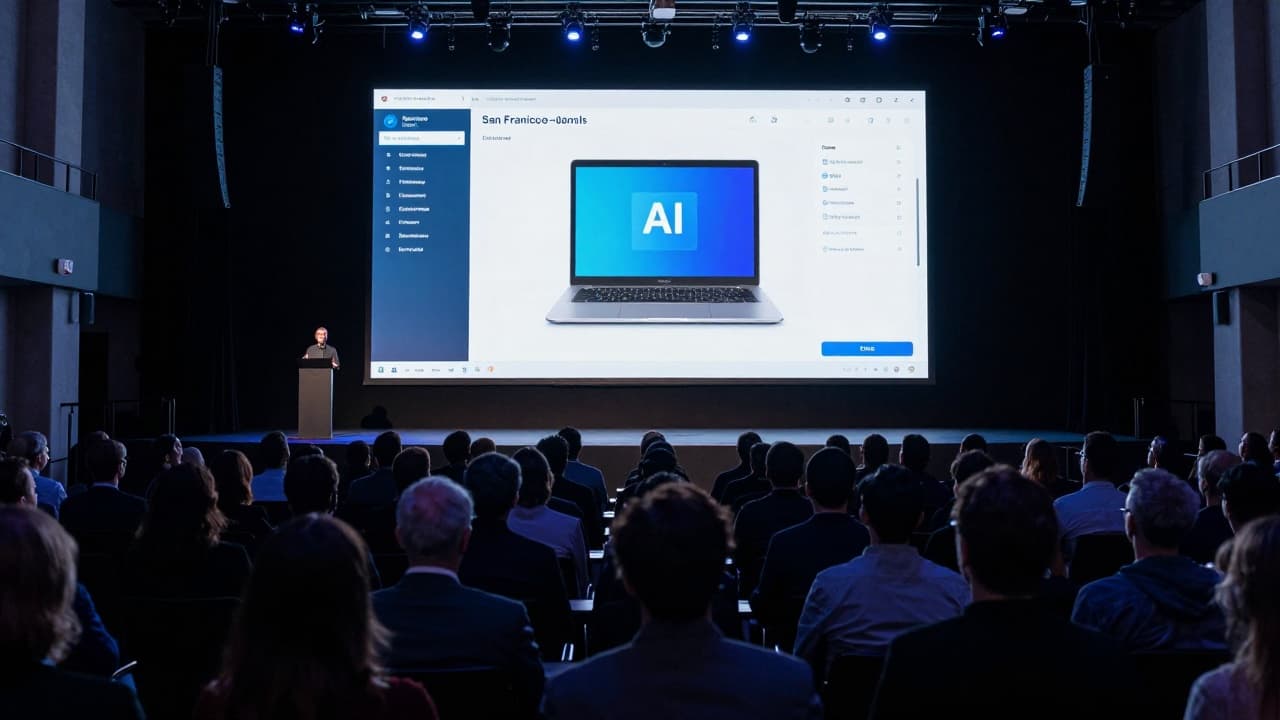
Microsoft presented updates for Windows 11 and Surface, spending an hour highlighting AI that runs locally on the computer without consuming credits. At the Microsoft Live San Francisco 2026 conference, in a local session, the model was sent 1.6 million tokens, of which around 10,500 were returned. Kayla from the GitHub team said: 'And all of this was free'. A few minutes later, automation was shown that works overnight on a local model without consuming credits without the user's knowledge.
The model is Microsoft's MAI Code 1.1 Flash, reduced to three bits of precision, and it runs directly on the laptop. Microsoft calls this story hybrid intelligence: simple tasks are handled by the model on the computer, the hardest are sent to the cloud, and the user does not have to choose. Satya Nadella summed it up in one sentence: 'There will never be a moment when we look and say: this is running locally, and this in the cloud.'
DeepSeek V4 Flash costs $0.14 per million input and $0.28 per million output tokens via API. Those 1.6 million 'free' tokens from the demo in the cloud would cost around 23 cents at that price. Microsoft reported $24.1 billion in revenue from business arrangements with OpenAI, as stated in its annual report. Anthropic has committed to purchasing $30 billion in Azure computing power. Wells Fargo analysts estimate that 70 percent or more of Microsoft's AI revenue comes from these two companies.
OpenAI was mentioned only twice. Once in a list of partners building on a new security platform for agents, immediately alongside OpenClaw, and the second time in an anecdote about how Microsoft's supercomputer was used to train GPT. Anthropic appeared only in that same list of partners. There was no mention of the April contract amendment, by which Microsoft's license ceased to be exclusive, nor of the right granted to OpenAI to use other clouds. There was also no mention of Microsoft's investment in Anthropic.
The models presented locally were MAI Code 1.1 Flash, Nemotron, DeepSeek V4 Flash, Google's Gemma 4, Kimi K2.6, and Llama 4 Maverick. None of the locally presented models were from OpenAI or Anthropic. Nadella stated in his introduction that in the last three to four years, they had realised that 'the model itself does not do much' and that value is created in the system around it: in orchestration, memory, and the harness that connects models with context and action. This system is called Microsoft IQ.
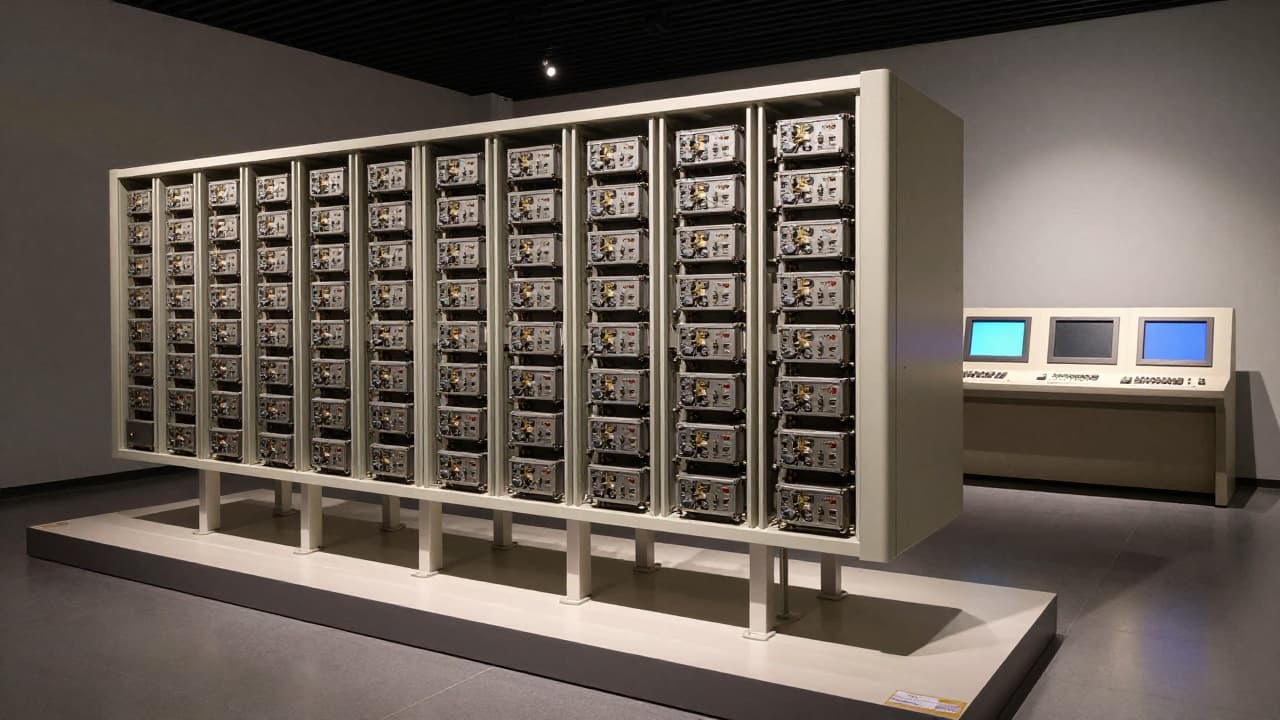
In the discussion with Nadella and Huang, the question was posed that the entire event had overlooked. Huang answered that the project involved more than 4,000 engineer-years, that the personal computer was reinvented, and that the DGX-1, the computer that launched the AI revolution, had the same single petaflop that today fits into a laptop. Huang said nothing about what local execution means for the demand for data centres, nor did Nadella.
Microsoft, according to reports, spent around $175 billion in fiscal 2026 on capital expenditure and announced further growth. None of these figures were heard in the hall. Parekh Jain believes that the RTX Spark is, in the near future, a category of high-end workstations, not a mass market, as most business users do not need that much local power. The slogan from the stage: 'RTX Spark brings last year's frontier to the laptop, and the DGX Station to the desk, the previous quarter's.' It was stated that DeepSeek V4 Flash, a model of 284 billion parameters reduced to 1.6 bits, locally in 60 GB of memory outperforms GPT-5 in tests of programming and reasoning. Michael Bursh claims that hyperscalers are displaying a slow depreciation of graphics chips, thus beautifying the profit.