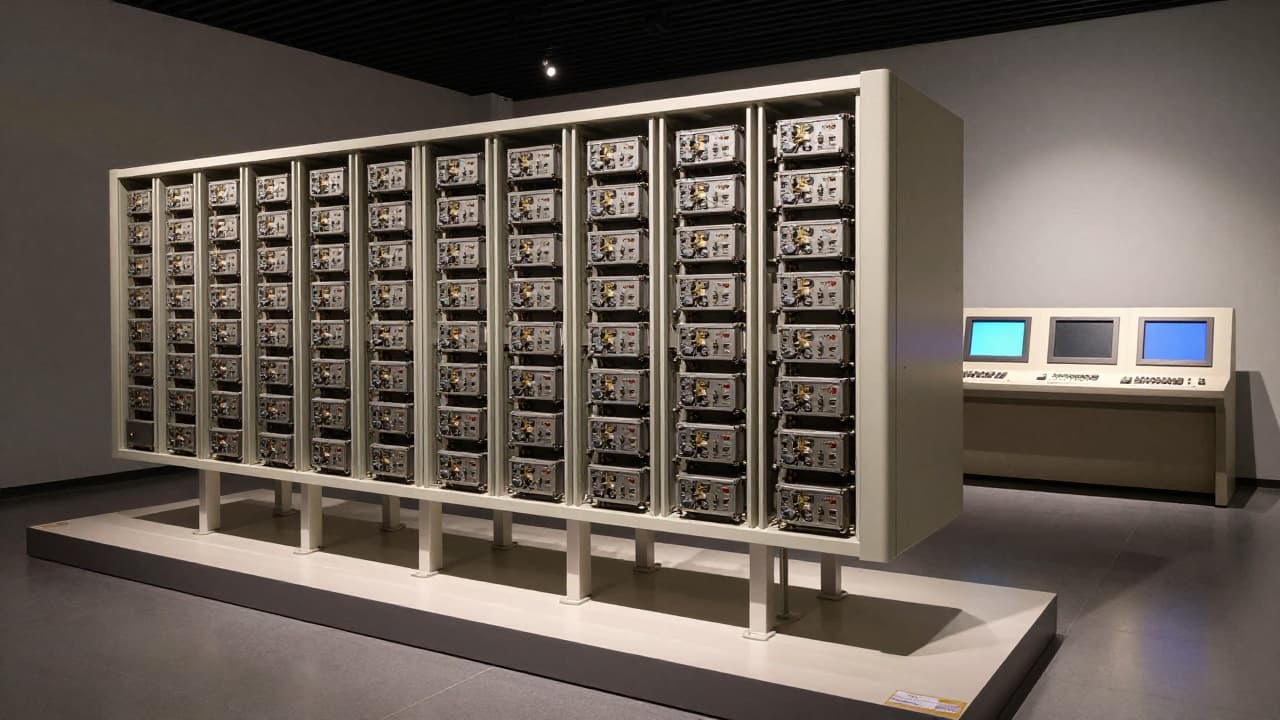
The History of Computing Museum in Spain has created a replica of the Cray-1 supercomputer. The replica was built to mark the 50th anniversary of the Cray-1 and Apple, both dating back to 1976.
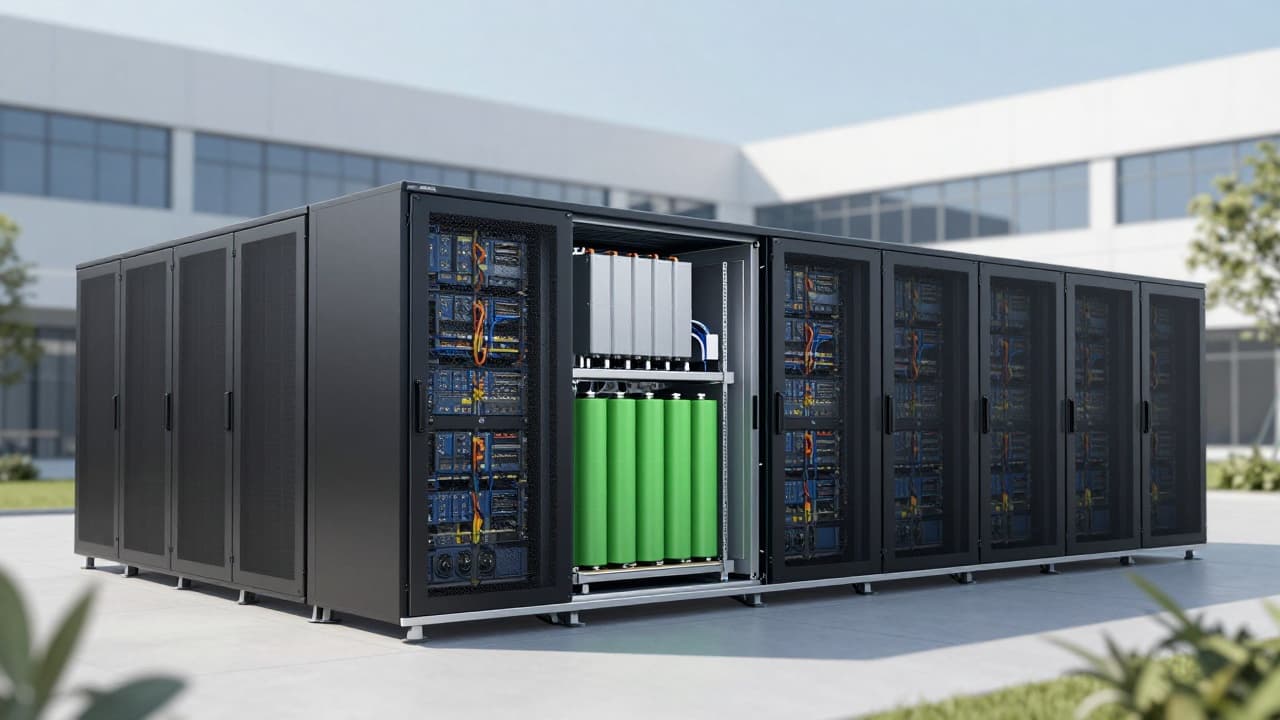
The replica is an exact, full-scale reproduction. Inside, it houses a functional computing cluster composed of 30 Mac Mini computers from 2012 and 2014. The Mac Mini devices run a distributed computing environment based on the original UNIX system within the macOS Mojave operating system. The connected devices possess a total of 64 processor cores, with the system's total computing power reaching up to 1.5 teraflops.
Five of the Mac Minis are based on quad-core Intel i7 processors, while the remaining 25 Mac Minis feature dual-core i5 processors. The system avoids the use of mechanical fans to prevent noise in the museum's exhibition space. The cooling system is designed on the principle of natural convection, utilising the original casing shape. The Mac Mini devices are mounted vertically using aluminium rail mounts, which allow for easy extraction and access to the equipment.
The management of the entire system is handled via a vintage-style console with three screens. The main console manages the Mac cluster, additionally containing a Raspberry Pi computer with classic environment emulators and overseeing a separate Raspberry Pi cluster. The console also features two original Cray CX1 systems from 2006, running on the CentOS operating system.
The replica will provide museum visitors with insight into the evolution of computer architecture since 1976. The original Cray-1 utilised vector processing, applying a single instruction to multiple data points simultaneously, whereas the new system distributes tasks across independent processors within a parallel cluster. The maximum theoretical power of the original Cray-1 computer was approximately 160 megaflops. The system is constructed from commercially available components that significantly outperform the original research machine.
The project's authors plan to raise additional funds via crowdfunding. They intend to add between 70 and 80 more Mac Mini computers, equipped with the newer M4 processors, to the cluster. By expanding the assembly, they aim to create a cluster powerful enough to be included in the official list of the world's top 500 supercomputers.
Following the first public presentation held in Spain, the project was presented in Turin, Italy, in October, at an event hosted by the Turin Museum of Informatics. The project will subsequently be exhibited in the premises of a museum in the town of Majadas de Tiétar, in the province of Cáceres.