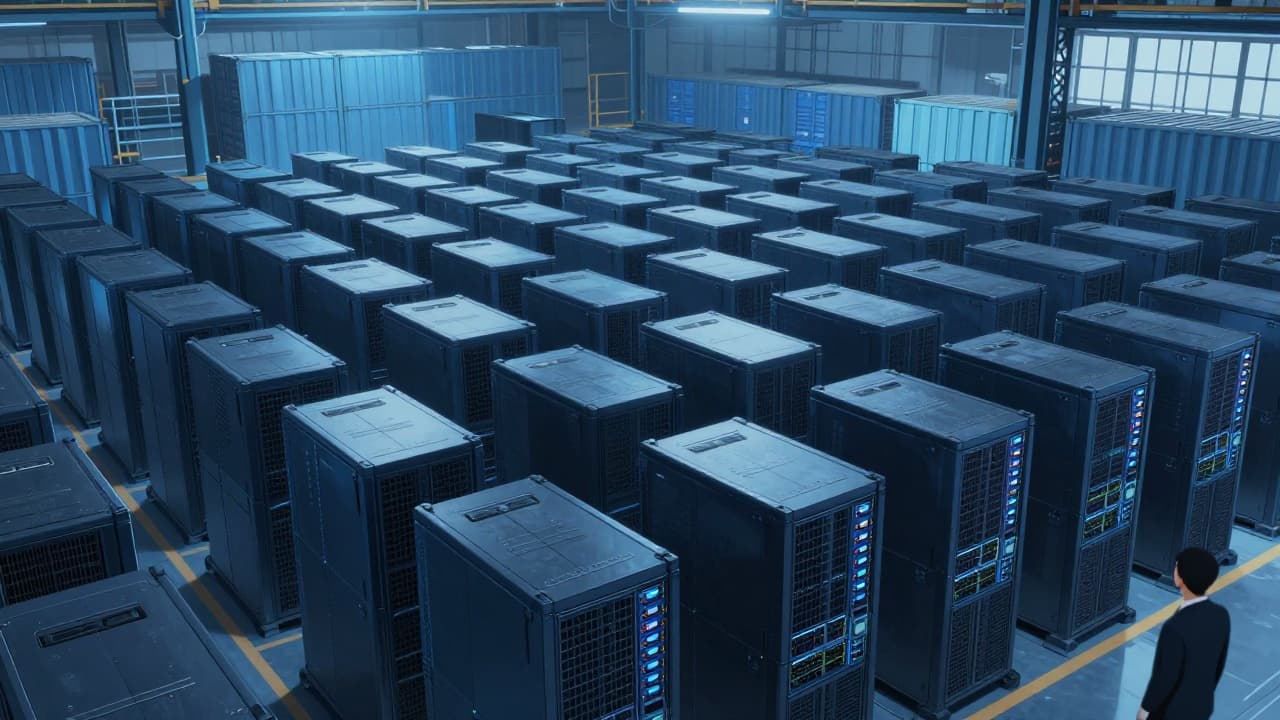
Artificial intelligence infrastructure could generate between 395 and 617 million tonnes of electronic waste by 2050, warns a new report from the Basel Action Network (BAN). This volume would fill between 15 and 23 million shipping containers, and if stacked end to end, would create a line stretching around 244,000 kilometres — approximately six times the circumference of the Earth.
BAN is a non-profit organisation named after the Basel Convention, which regulates the international movement of hazardous waste and seeks to prevent its transfer from developed countries to developing nations. The report, titled "How Big Is the AI Waste Wave?", covers the period from 2025 to 2050.
Previous estimates have largely focused on servers and accelerators, such as graphics processing units, which account for just 13 per cent of the total mass of equipment in a data centre. When power, networking, cooling systems and other infrastructure are taken into account, the total waste volume could be 40 to 60 times greater than the most commonly cited academic predictions.
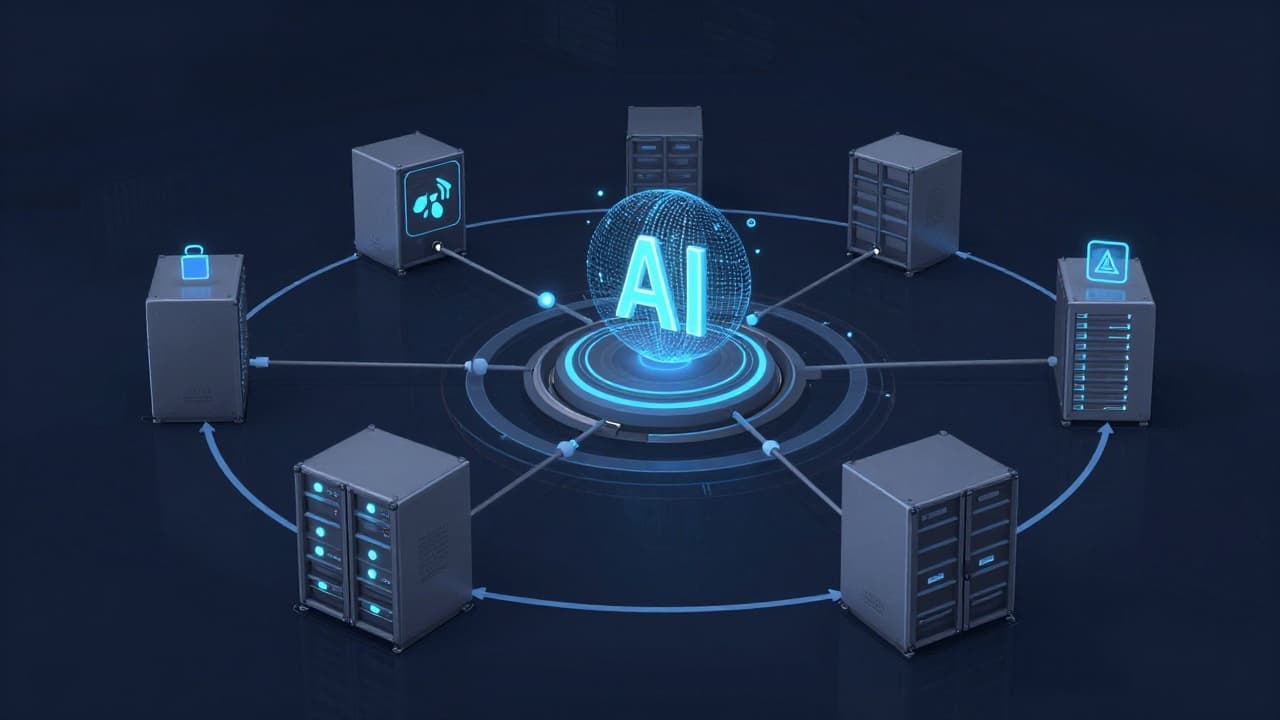
The report identifies five categories of equipment: networking, electrical power distribution, backup power systems, servers with accelerators, and cooling systems. Together, this equipment weighs approximately 7,000 metric tonnes in a reference AI data centre with a capacity of 100 MW, and a significant portion of this equipment will need to be replaced during facility upgrades. A single 100 MW facility contains around 2,700 tonnes of copper in cables and busbars.
The BAN model is based on industry plans to build new capacity and calculates the potential waste volume resulting from such expansion. It assumes that equipment in state-of-the-art AI data centres will be decommissioned within a few years, rather than decades, as technology becomes obsolete. When replacing server racks consuming between 5 and 15 kW with those consuming 50 to 140 kW, which is required for AI workloads, a large part of the existing power infrastructure must be removed and replaced with new systems.
GPUs and other AI accelerators are replaced every two to three years, BAN claims, compared with five to seven years for traditional general-purpose servers. The model assumes that owners replace entire servers when upgrading to the latest generation of Nvidia GPUs. BAN argues this is likely because original equipment manufacturers supplying hyperscalers typically deliver complete, pre-configured systems. Other equipment has different replacement cycles: three to four years for network infrastructure, eight years for power distribution, and five years for backup power and cooling systems.
The report notes that no hyperscaler, government or international body has published a plan for managing the electronic waste caused by artificial intelligence at the predicted scale. It also warns that there is insufficient infrastructure to safely process even current volumes. Next steps should examine how reuse, refurbishment and repurposing can reduce electronic waste volumes, followed by its potential toxicity, including contamination with per- and polyfluoroalkyl substances (PFAS), and ways to mitigate risks.