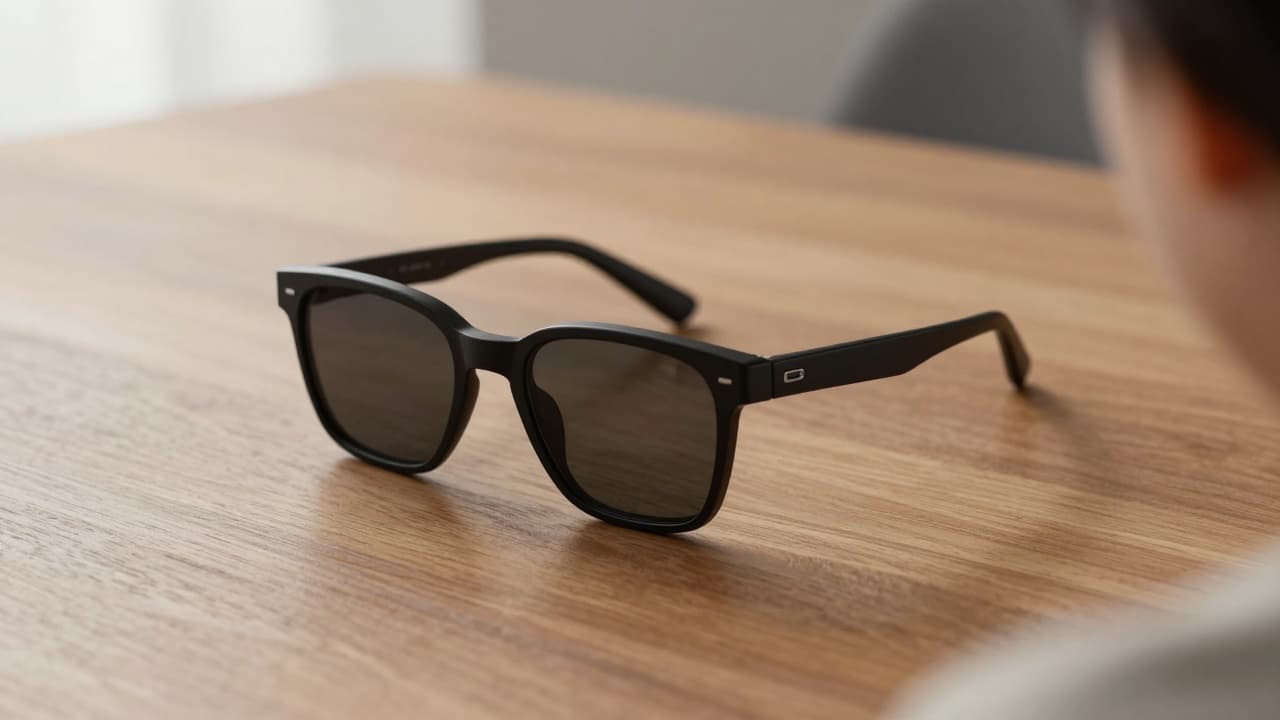
Meta has unveiled audio-only smart glasses under the name Ray-Ban Meta. The device, which lacks a camera, is the result of a two-year development process and was not rushed to market in response to public outcry.
The new model offers audio features such as phone calls and music playback, with sound directed straight into the ear. The glasses are voice-activated, with open-ear speakers located in the temples directing sound to the ears. The device syncs with a mobile phone via Meta’s AI app. Meta states that the audio-only version features a lighter frame and improved battery life, while also being cheaper than its camera-equipped counterparts.
Meta launched its first AI-powered smart glasses in 2023 in collaboration with Ray-Ban. This summer, the company enlisted Kylie Jenner as a model for the glasses. However, numerous reports have emerged of the devices being used to harass women and girls, with recordings taken without consent. Consequently, the glasses have been labelled 'perverted' or 'creepy' by some.
In the United Kingdom, the glasses have been banned in pubs run by JD Wetherspoon, as well as in several theatres. The devices feature a blinking white LED light that activates when the camera is in use. The industry has developed around finding technical workarounds to disable this light, with some involving the physical disassembly of the glasses. Meta states that less than 0.1 per cent of the frames it has sold have been physically modified.
EssilorLuxottica, the parent company of Ray-Ban, reported selling seven million units last year. Liz Hunter, a technology entrepreneur and parent, has launched a petition calling for urgent new regulation of smart glasses. Earlier this year, Meta donated 15,000 pairs of glasses to a charity for the blind in Ireland. One user described the glasses to the BBC as 'game-changing' because they can provide audio descriptions of current locations and read visible text, such as options on a restaurant menu. Ankit Brahmbhatt is the head of product for Meta's glasses.