Research by the Global Disinformation Index (GDI) shows that 100 YouTube channels publishing content classified as hate speech could generate $13.3 million in advertising revenue this year. Nearly half of that amount is estimated to go to YouTube itself.
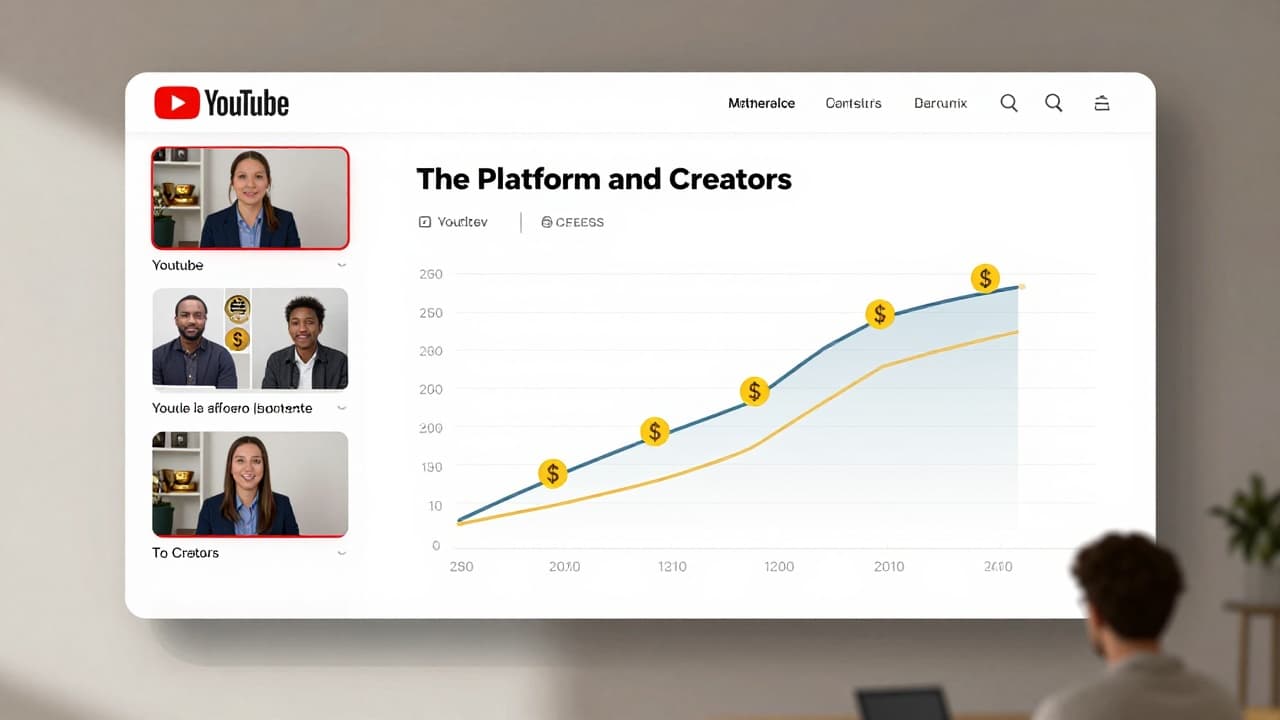
GDI analysed 100 English-language YouTube channels publishing content classified as hate speech. The estimate is based on videos published between January and August 2026, and refers to the potential total annual revenue of those channels. Of the estimated $13.3 million, approximately $7.3 million would go to creators, while six million dollars would end up with YouTube. These are estimates only, not data from YouTube's business books.
YouTube typically retains 45 per cent of revenue from ads displayed alongside monetised videos, with the remainder going to creators. According to GDI's estimates, one of the analysed channels could generate around $2.2 million in annual revenue, of which approximately $1.2 million would go to the author and one million to YouTube. Researchers found content on that channel that could violate YouTube's community guidelines, as well as be illegal under German legislation. In September 2026, the videos were still available, displayed ads and could be viewed from Germany.
In the research, GDI used five large language models to tag 19,297 videos, after which analysts manually reviewed a sample of 200. The definition of hate speech applied by the organisation is based on Council of Europe standards and is broader than that used by YouTube. Some of the tagged content therefore does not necessarily violate platform rules or be illegal.
GDI does not claim that every analysed video is prohibited content, but warns of insufficient transparency regarding how YouTube decides what may remain monetised. The platform has mechanisms to sanction creators who repeatedly target protected groups, but the repeat offender rule is applied, according to the platform's own formulation, in rare cases, without a clearly defined threshold determining when a channel is considered a repeat offender. GDI found no evidence that this mechanism had been applied to the reviewed channels.
The organisation was unable to verify actual channel monetisation data as it is only available to YouTube. The platform publicly publishes data on content removal, but says significantly less about videos that remain available but have had their monetisation capability revoked due to rule violations. Alphabet generated approximately $60 billion in advertising and subscription revenue from YouTube during 2025.
GDI also warns of an incentive problem: recommendation systems reward content that attracts an audience, and YouTube becomes financially interested in the success of monetised videos by sharing revenue.