The crew of CHAPEA Mission 2 left their habitat on Saturday, 31 October, after 378 days of isolation, NASA announced. The exit followed a final period during which the crew members spent their last days in a simulated Martian environment.
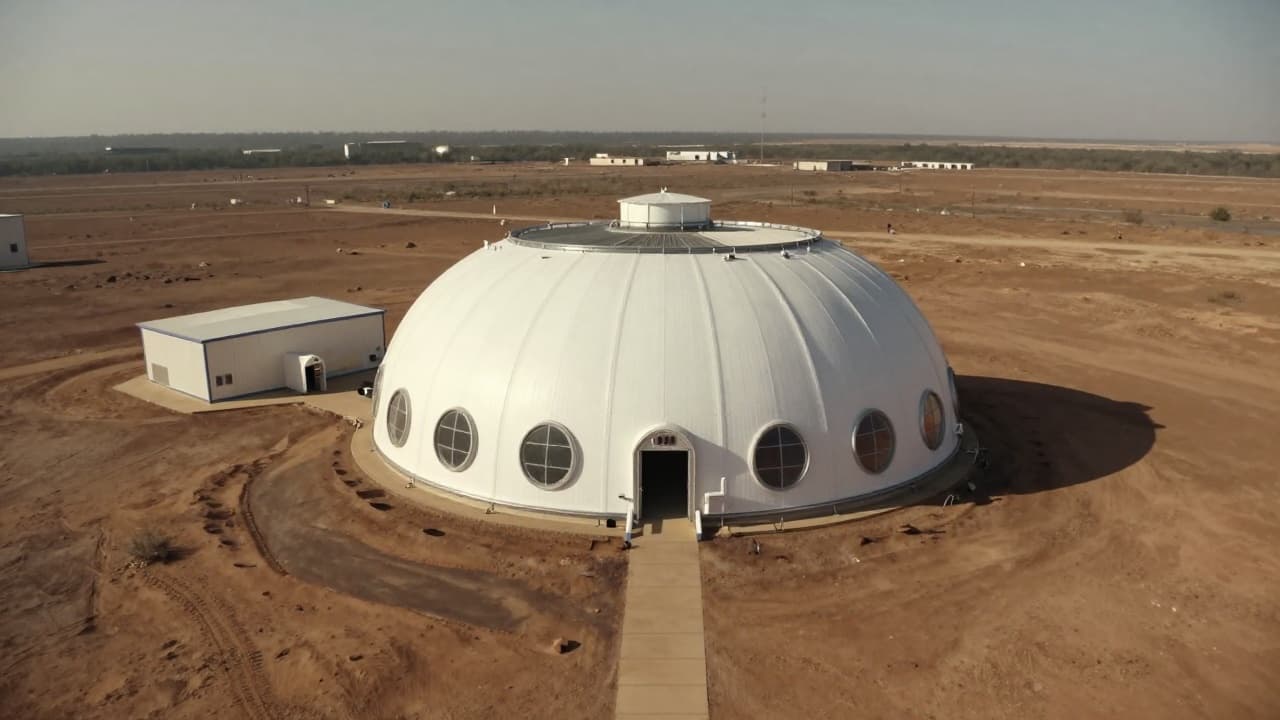
The isolation took place at a facility at the Johnson Space Center in Houston. It is a facility where conditions for living on Mars are simulated on Earth, and the crew spent just over a year inside.
Among the recorded moments from the mission is one from 31 August 2026, when the crew arranged photographs around a boot print in simulated Martian sand in front of their habitat. This detail illustrates the crew's daily life in an environment designed to mimic the surface of Mars.
Over the 378 days, the crew lived in conditions intended to approximate the challenges of a real mission to Mars. The Houston habitat is one of the places where NASA simulates conditions for living on Mars on Earth.
The crew's exit marked the end of their stay as part of the CHAPEA Mission 2 programme.