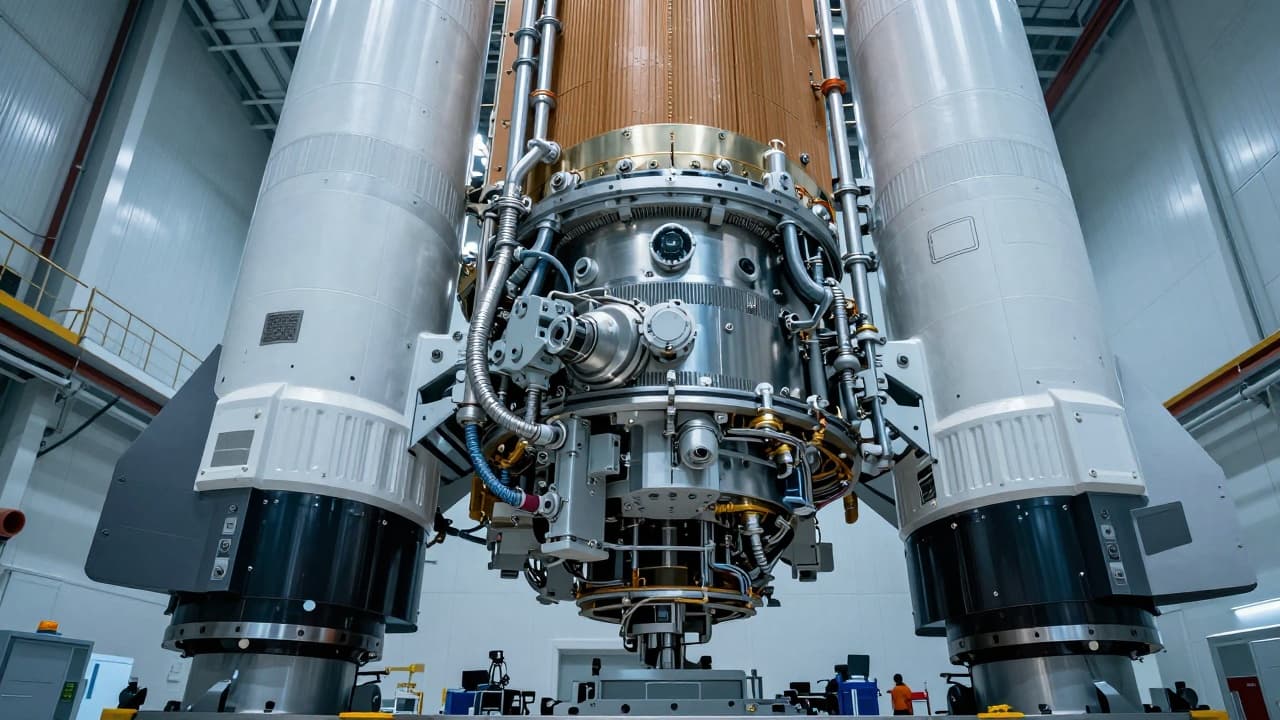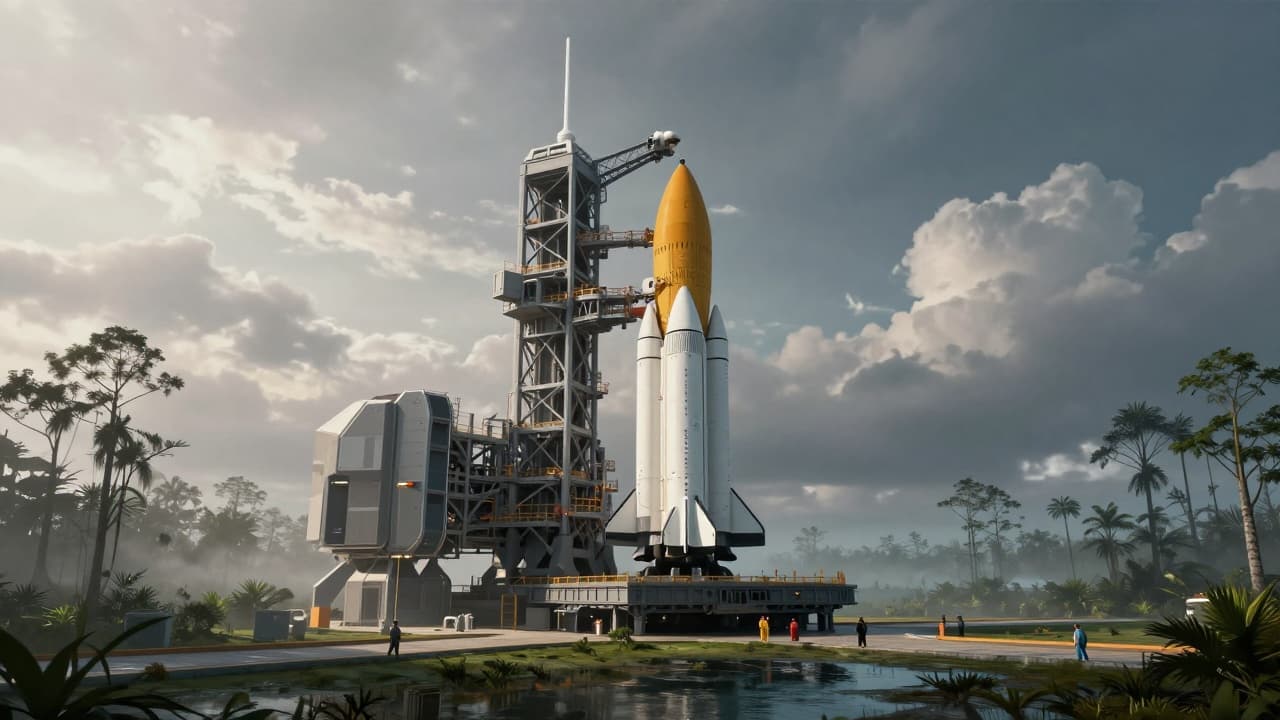
NASA has announced a series of awards and mission updates aimed at expanding exploration, science and infrastructure at the lunar base. The goal is to establish a permanent presence at the Moon's South Pole, working in collaboration with the American industry.
Under the Commercial Lunar Payload Services (CLPS) initiative, NASA has selected eight companies for the next phase of cooperation. These include Blue Origin, Firefly Aerospace, Intuitive Machines, iSpace US, Lockheed Martin Space, Northrop Grumman Space Systems, SpaceX and Voyager Technologies. These companies will manage, build and operate landers that will deliver scientific, technological and infrastructure payloads to the lunar surface. The CLPS 2 framework contract lasts for 10 years and is worth up to $10 billion.
Furthermore, the value of the existing CLPS 1.0 contract has been increased from $2.6 billion to $4.2 billion to support the initial goals of the first phase of the lunar base. That contract remains in force until November 2028, with an additional five years to complete deliveries by November 2033.
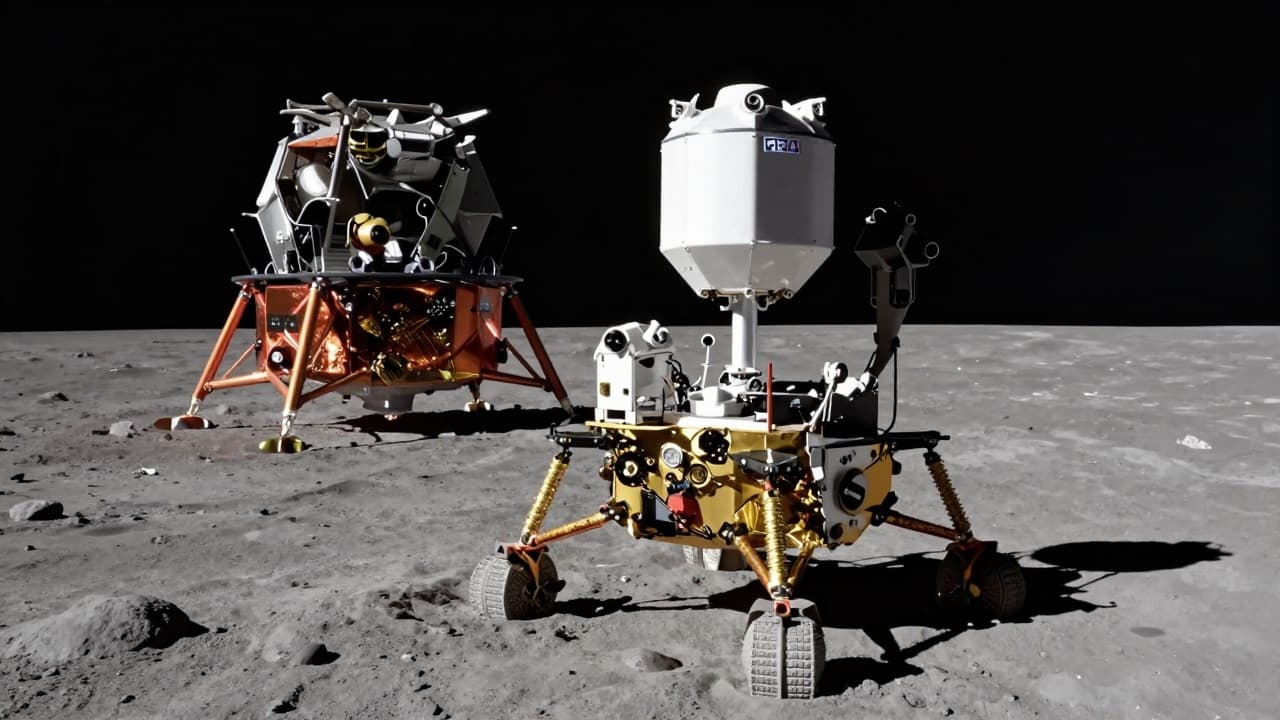
Particular attention is drawn to the development of the nuclear-powered rover PROMISE (Polar Rover for Observation, Mapping, and In-Situ Exploration). This six-wheeled rover is intended for exploring the Moon's South Pole, where it will carry scientific instruments and technology demonstrations. PROMISE will be able to operate during long lunar nights and in permanently shadowed regions believed to contain ice. The rover will use a drill to extract soil samples from a depth of about one metre, and is equipped with spectrometers, temperature and radiation sensors, and visible spectrum cameras.
The PROMISE mission is led by NASA's Jet Propulsion Laboratory in Southern California, and the rover will consist of spare parts and engineering models used for the Mars rovers Curiosity and Perseverance. Launch is planned for late 2028, and the mission will last about 18 months.
To deliver the PROMISE rover to the Moon's South Pole, a contract worth $94 million has been awarded to Blue Origin, with an option for an additional $140 million depending on performance. Blue Origin will use its Mark 1 lander for the delivery and deployment of the rover in the first phase of the lunar base.
In addition, NASA has awarded six tasks under the launch contract known as Venture-Class Acquisition of Dedicated and Rideshare (VADR). The winners are Arrow Science and Technology, Blue Origin and Impulse Space, which further strengthens launch and orbital transfer capabilities in service of lunar missions.
These activities represent key steps in NASA's plans for long-term research presence on the Moon, with Jared Isaacman as agency administrator and Carlos García-Galán as head of the lunar base programme.