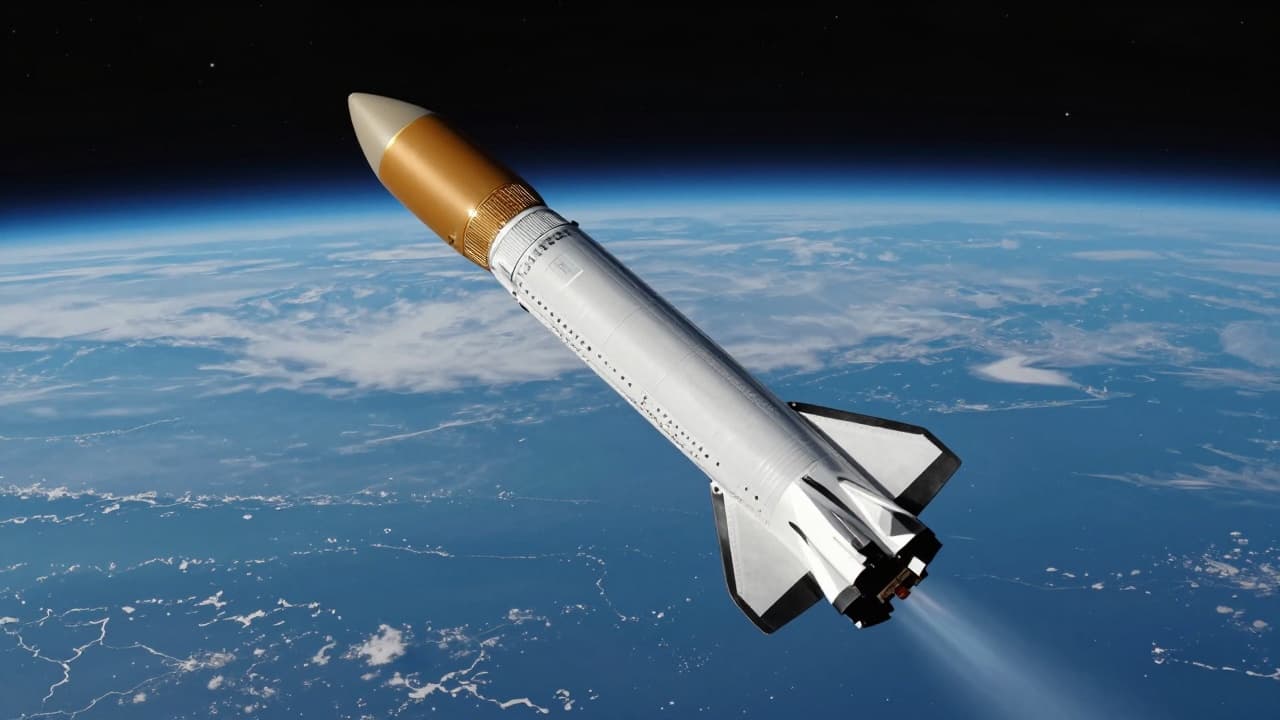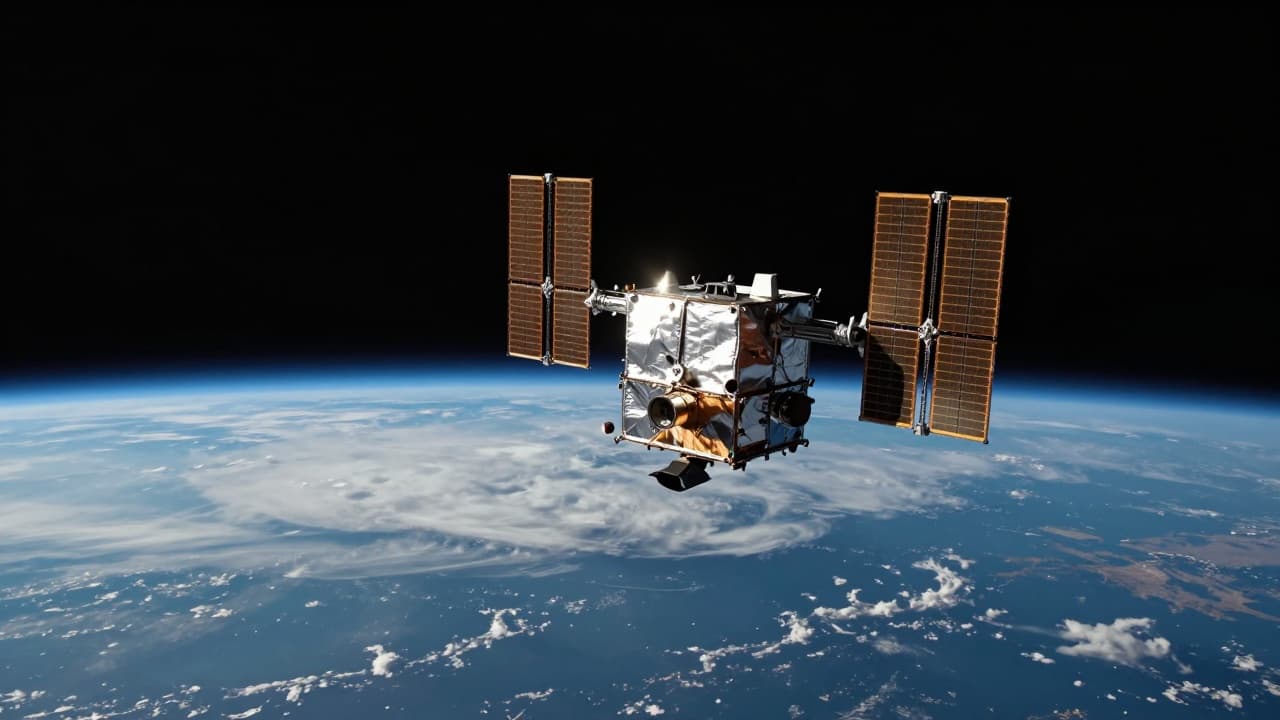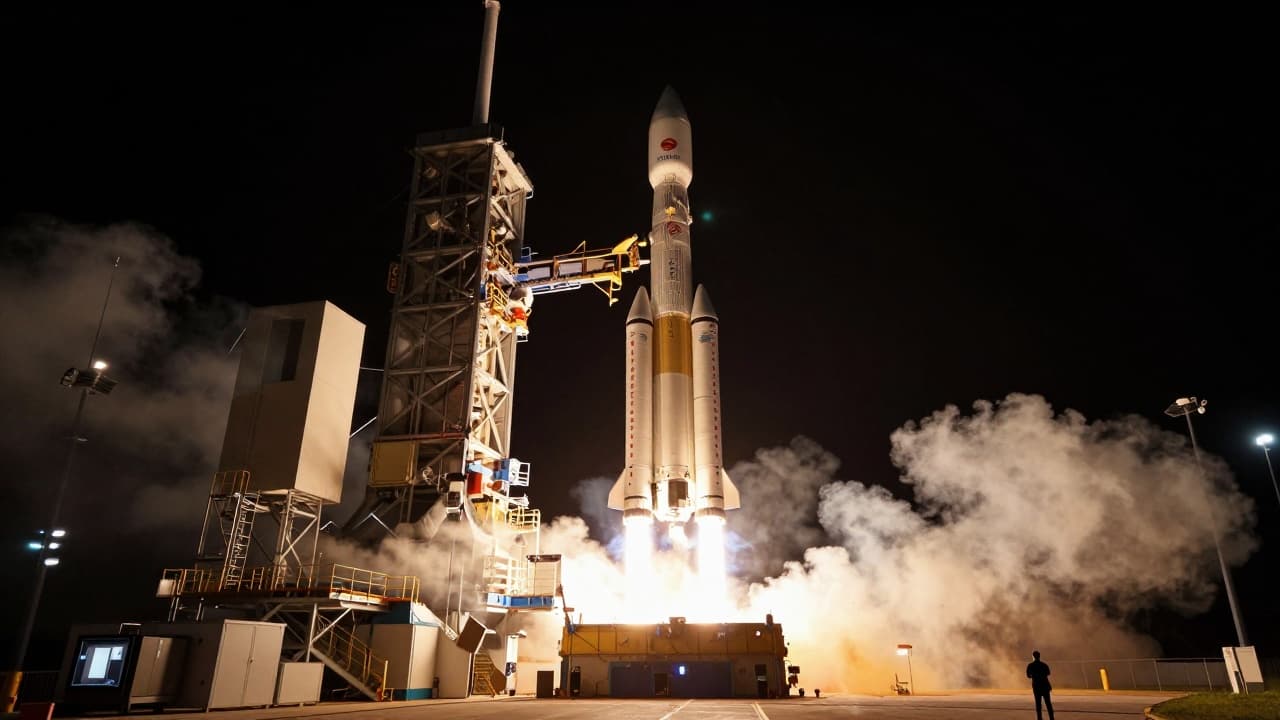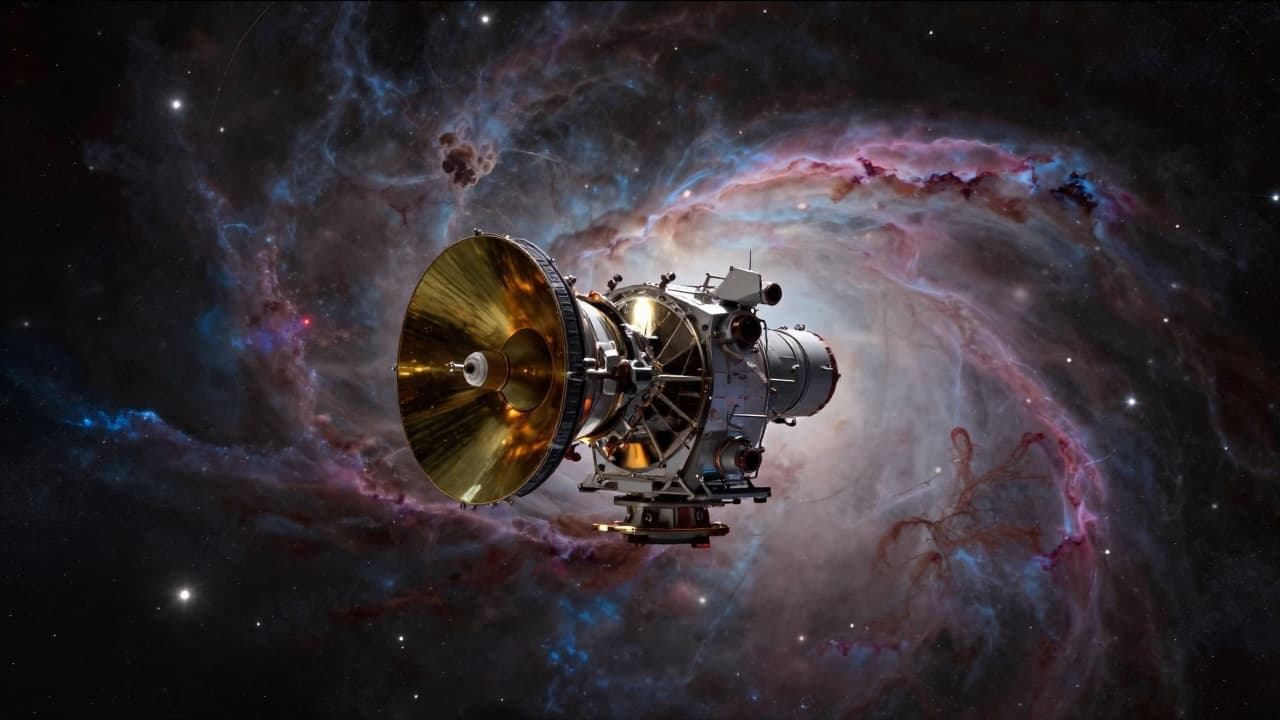
The US space agency (NASA) has successfully launched the Nancy Grace telescope, an instrument whose construction is closely linked to military and intelligence objectives. Although the satellite was initially designed with the intention of monitoring hostile states, requiring specific equipment for the needs of the US intelligence agency (NRO), it has now been repurposed as a scientific instrument. This pivot allows technical solutions originally intended solely for security considerations to be utilised for the advancement of astronomical research.
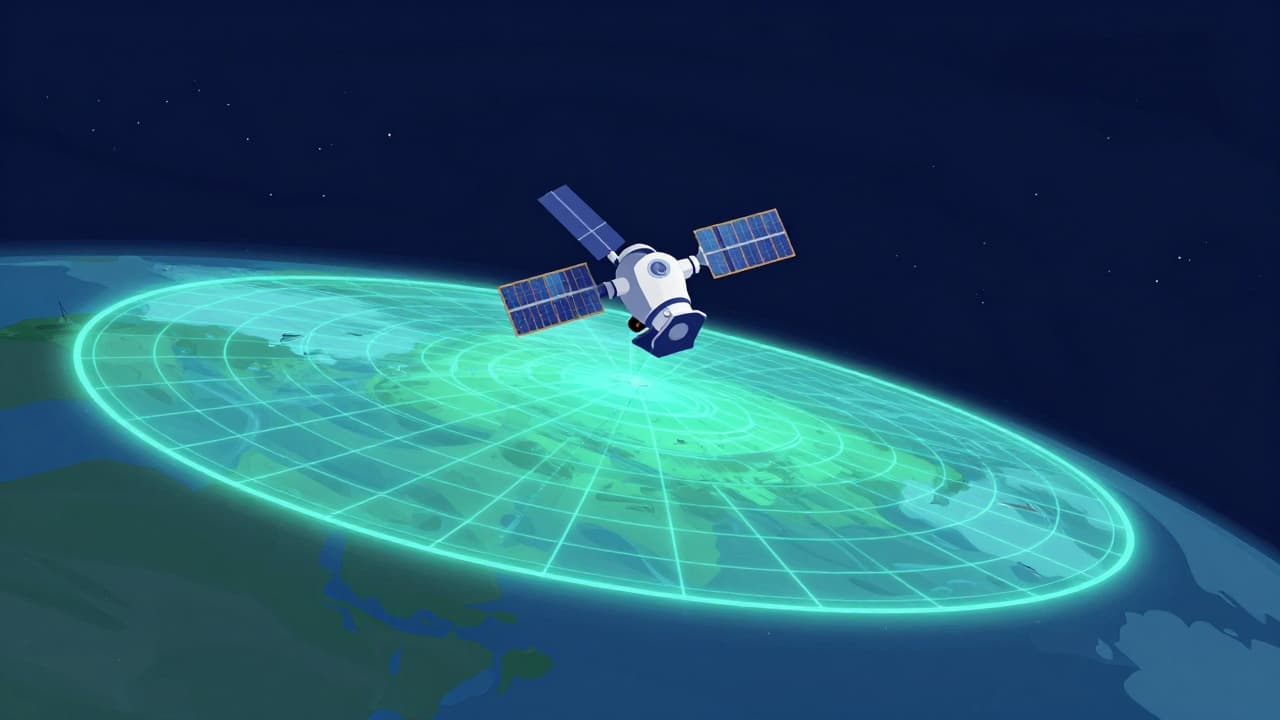
The key element of the new instrument is the 2.4-metre primary mirror, which is essential for light collection. The satellite is equipped with a high-resolution infrared camera, enabling detailed observation of celestial bodies. A key feature of this instrument is its field of view, which is 20 times larger than that of the well-known Hubble telescope. This significant advantage allows for faster and more extensive exploration of space, which is crucial for meeting the mission's scientific objectives, including the study of the nature of dark energy and dark matter.
Following launch, the satellite is directed towards the Lagrange point L2, approximately 1.6 million miles from Earth. At this distance, the instrument will be able to collect data. The Roman telescope will receive 1.4 terabytes of data daily, requiring a complex data processing and analysis system. These data will be key to understanding the structure of the universe, given that dark energy and dark matter constitute approximately 95 per cent of the universe.
The agency NASA, which oversees this mission, has stated that the launch is proceeding within the allocated budget. Furthermore, the entire process was completed ahead of the scheduled deadline, which is an additional indicator of the mission's success. The name 'Nancy Grace' was assigned to this instrument in honour of Nancy Grace Roman, the first chief astronomer at NASA, who is known as the 'mother of Hubble' due to her pivotal role in the development of the Hubble instrument. Her legacy and work in promoting the science of the universe are recognised through this significant mission, which continues her work and contribution to science.