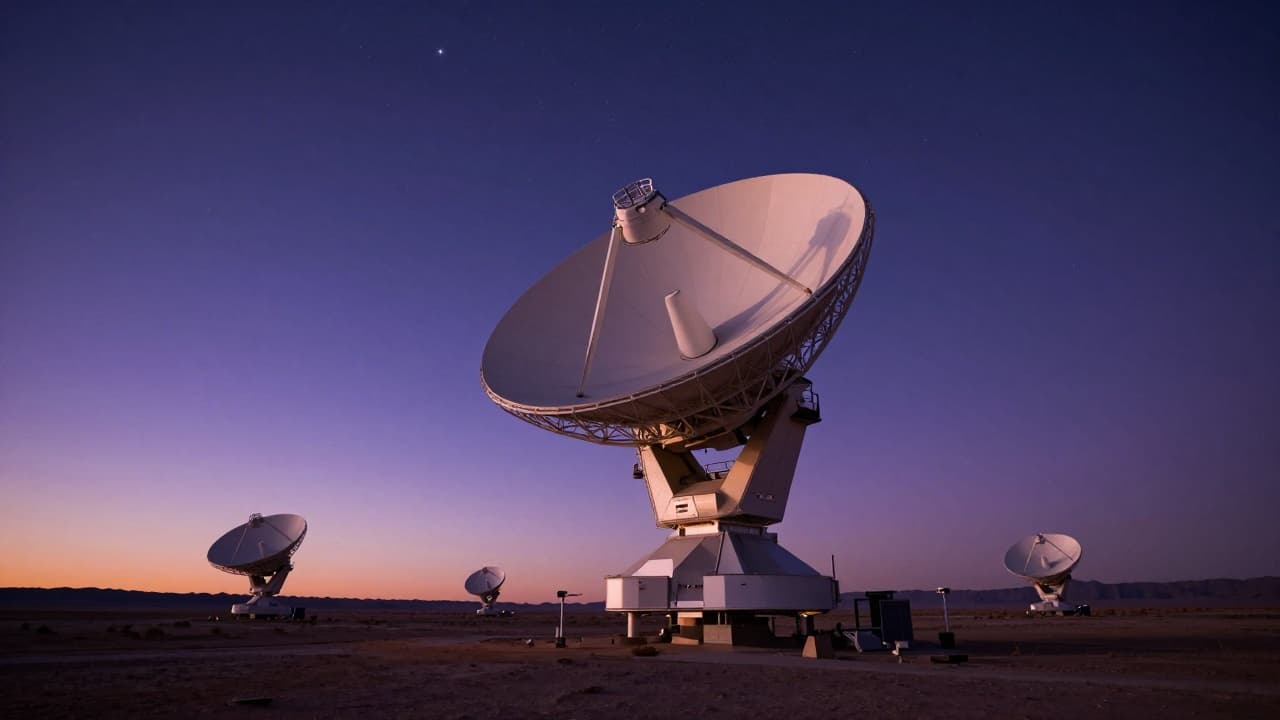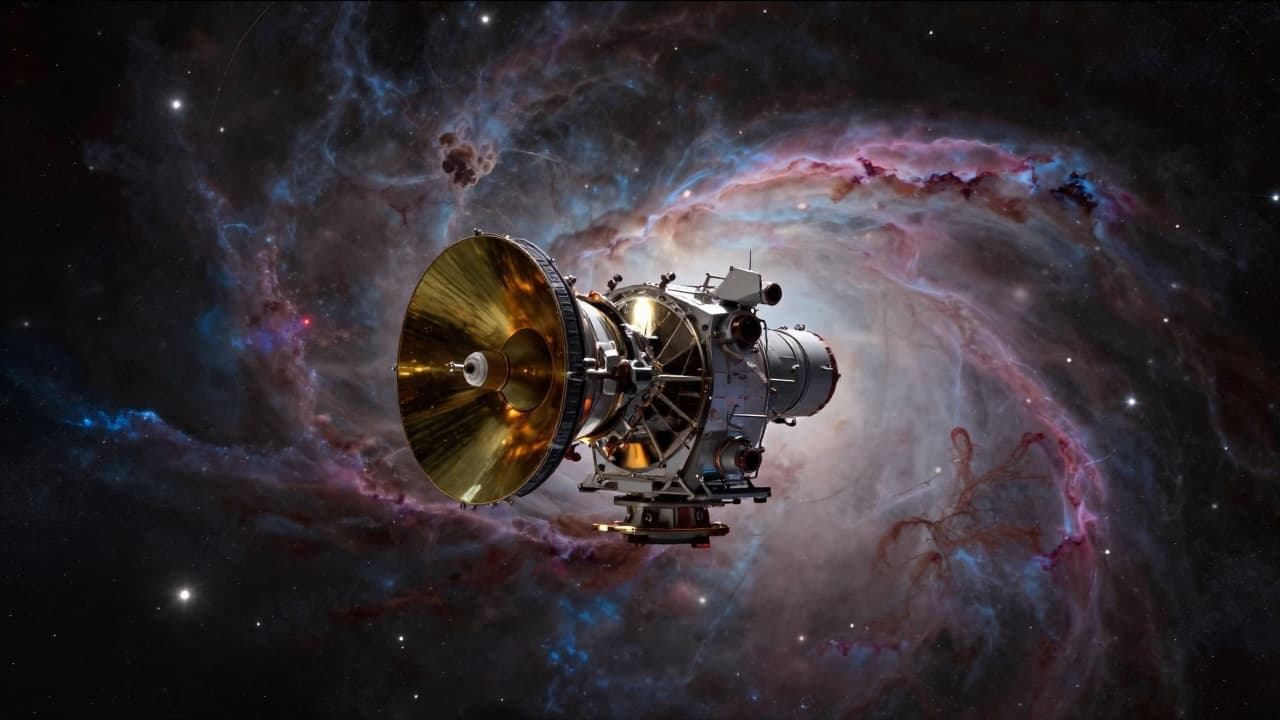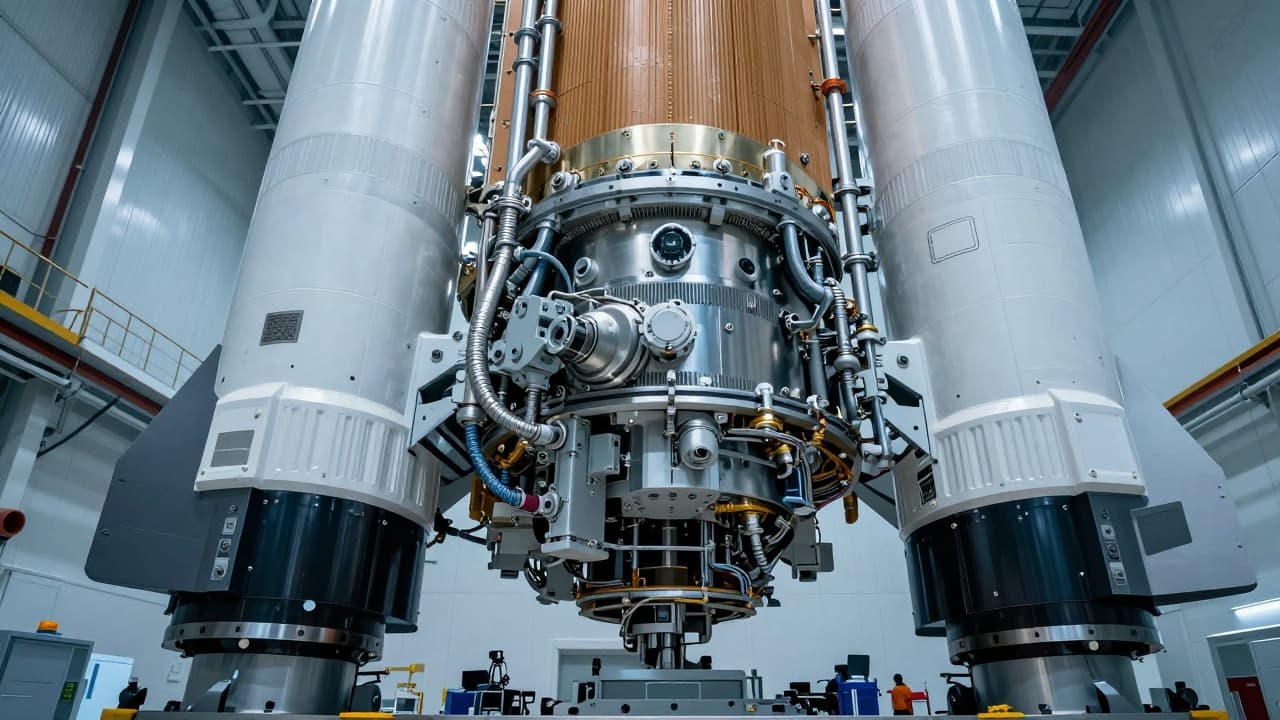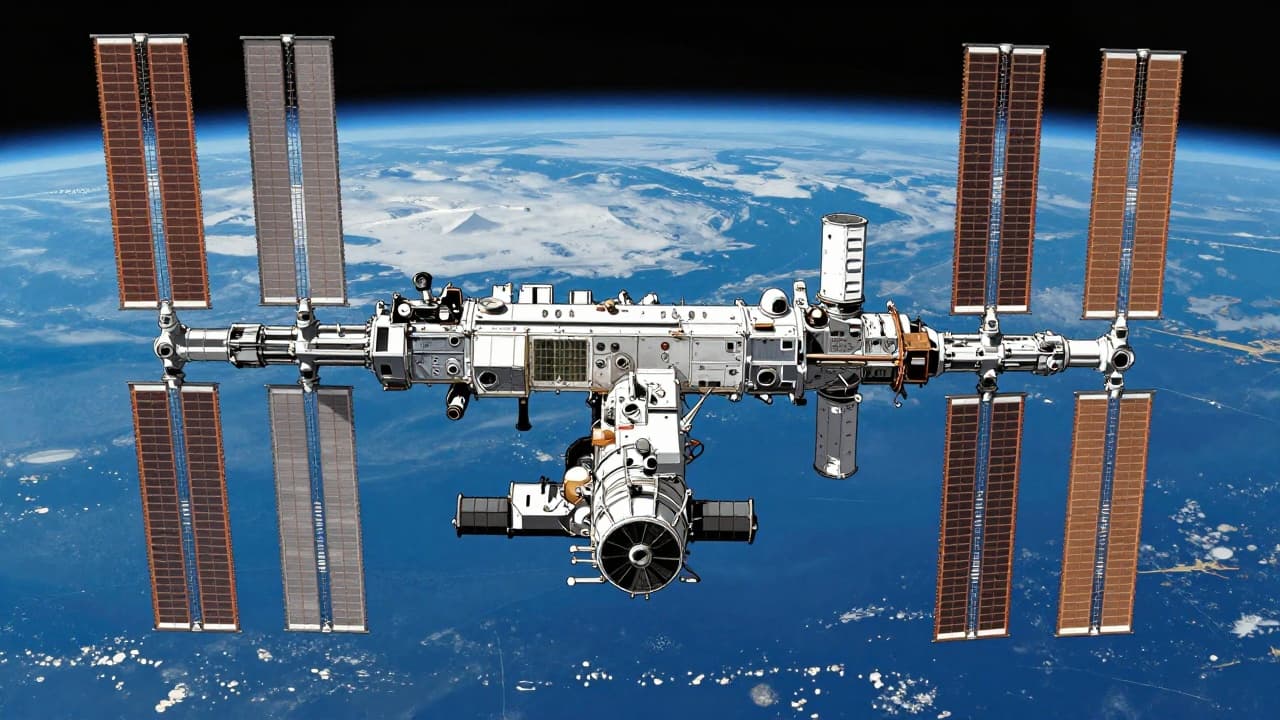
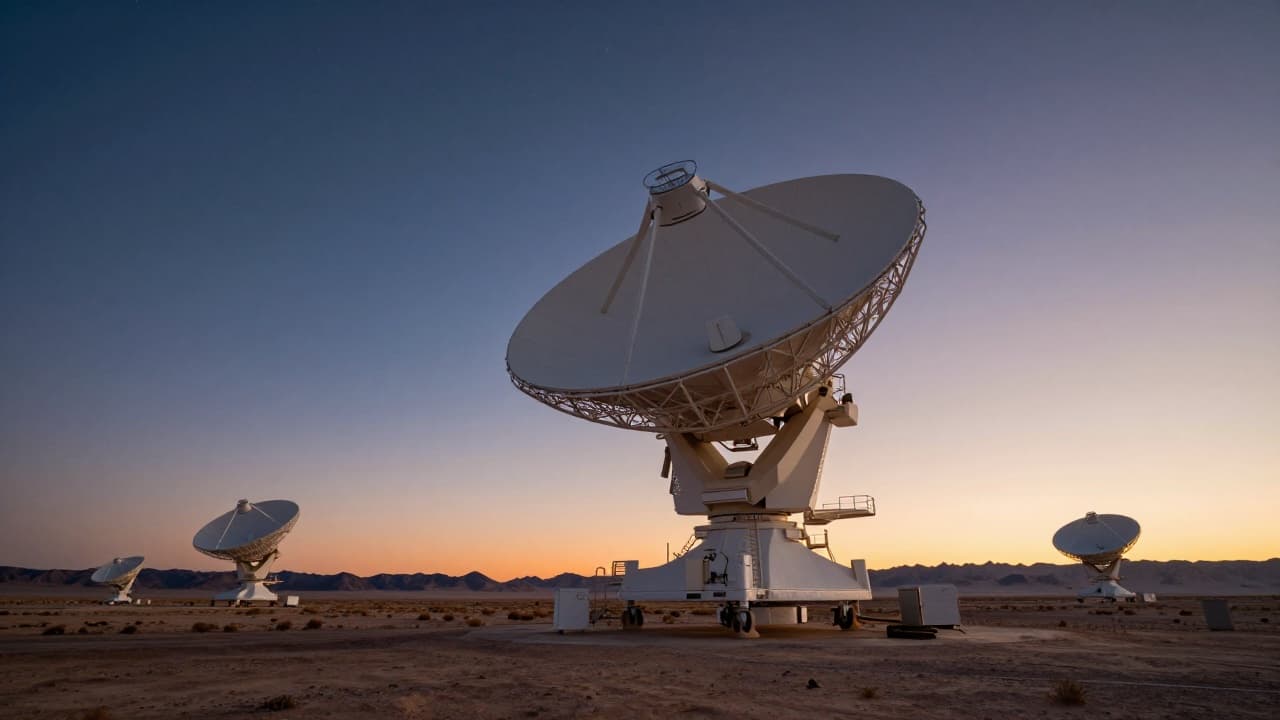
The Deep Space Network (DSN) complex, located near Barstow in California, has expanded its capabilities. At the heart of the complex are five antennas, the latest addition being the DSS-23, which was recently completed and unveiled. This step is part of a broader aperture enhancement project, the aim of which is to ensure reliable communication with spacecraft.
The expanded capacity includes the addition of six 38-metre multifrequency antennas equipped with a tracking system. This technological upgrade is crucial for maintaining and improving the quality of the link with deep space probes, ensuring continuity of data and reliable communication over long distances.
Although the complex is undergoing rapid modernisation, a historic 26-metre antenna, known as the 'Apollo Antenna', remains on site. Built in 1967, this antenna was instrumental in tracking the Apollo missions, preserving the memory of the early days of space exploration. Its existence alongside modern antennas, such as the DSS-23, symbolises the continuity of progress in space technology.
All operations and management of this complex system, including the new antenna, are conducted using specialised software located in California. This software framework is essential for coordinating all activities, ensuring that data from deep space is collected, processed, and made available to researchers. This integrated approach ensures that NASA and its partners can effectively explore space, utilising the latest technologies to expand the boundaries of knowledge.