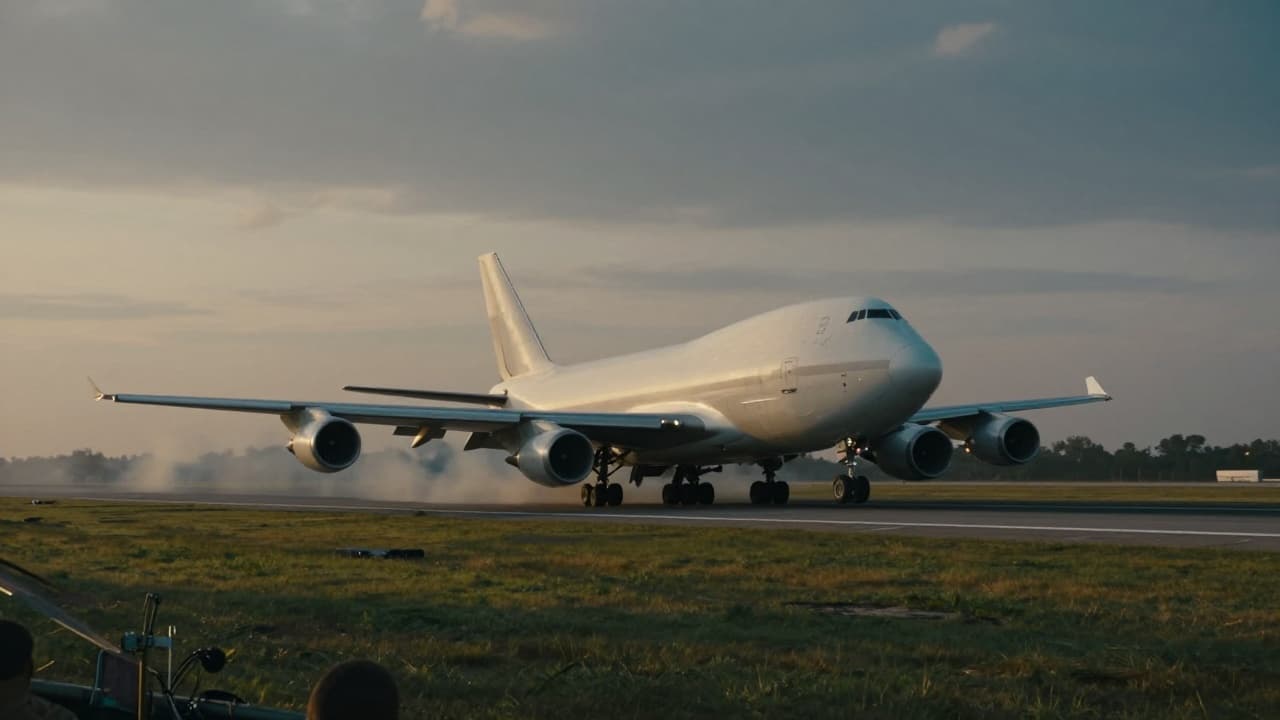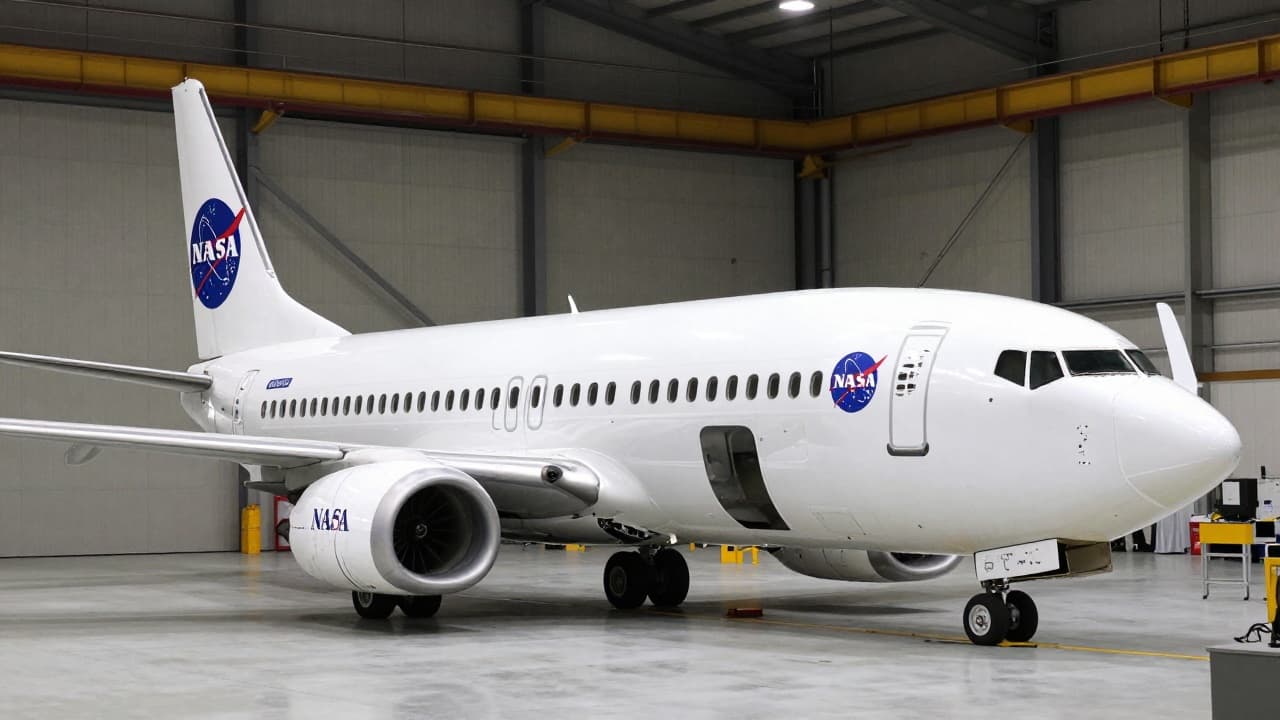
A Boeing 737 operated by NASA has undergone a significant visual transformation this week in Oklahoma, where a repainting process was carried out. This operation is part of a broader project to adapt the aircraft for specific research purposes within the agency’s research programmes.
The objective of the modification is to convert the commercial aircraft into a specialised platform for reduced-gravity testing. The aircraft will be equipped with systems that enable parabolic flights, which are essential for simulating gravitational conditions that differ from those on Earth.
Ownership of the aircraft was officially transferred to NASA’s Armstrong Flight Research Center, located in Edwards, California. This change of ownership occurred in June, when the centre took over the aircraft from the United States Air Force, marking the start of the technical adaptation process.
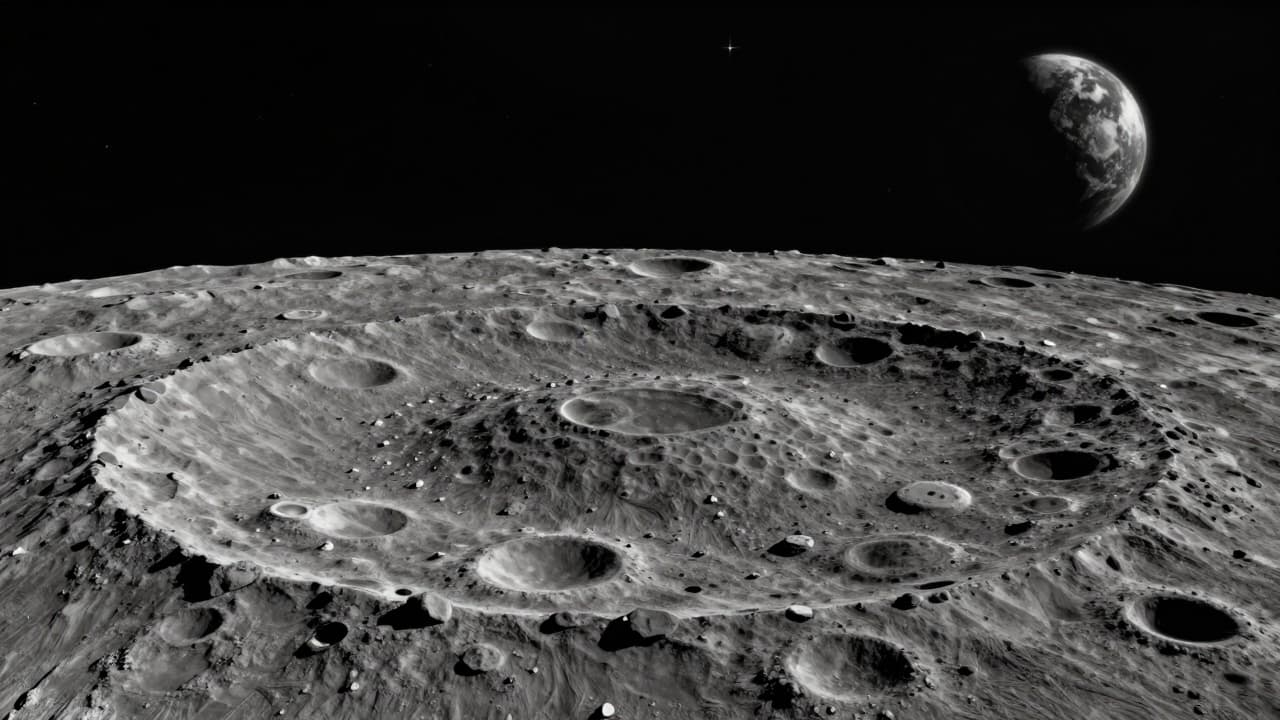
The aircraft’s ultimate purpose is to facilitate parabolic flights in lunar gravity. These flights serve as a critical tool for validating technologies and procedures that will be used in future space missions, allowing researchers to test equipment and methods in conditions similar to those on the Moon.