Google DeepMind has officially unveiled its latest weather forecast model, named Weather Next 3. This advanced system, which is the successor to the previously released model, is presented as the most advanced global weather forecasting AI. According to independent assessments by Brightband, it is the most accurate system of its kind in the world, thereby closing the development loop started with the Weather Next 2 model, which recently became available as open source.
The key innovation compared to the previous version lies in the significantly improved data resolution. While the previous system provided forecasts on a grid with a resolution of 25 kilometres, the new model allows for the display of key atmospheric variables, such as temperature and humidity, at a much more precise level of five kilometres. Other atmospheric variables are processed at a resolution of 10 kilometres. This technological upgrade enables the model to more accurately track and display weather conditions, including specific conditions in regions with complex coastlines, valleys, and mountain ranges, where traditional models often make errors.
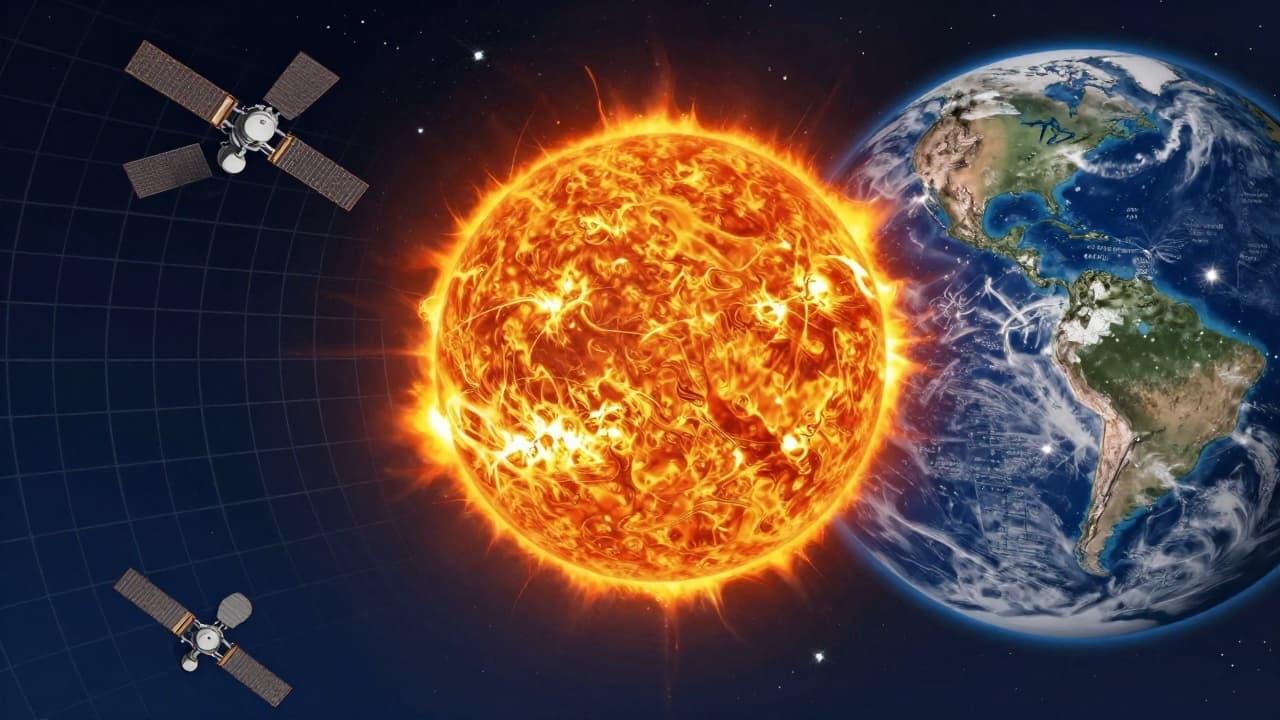
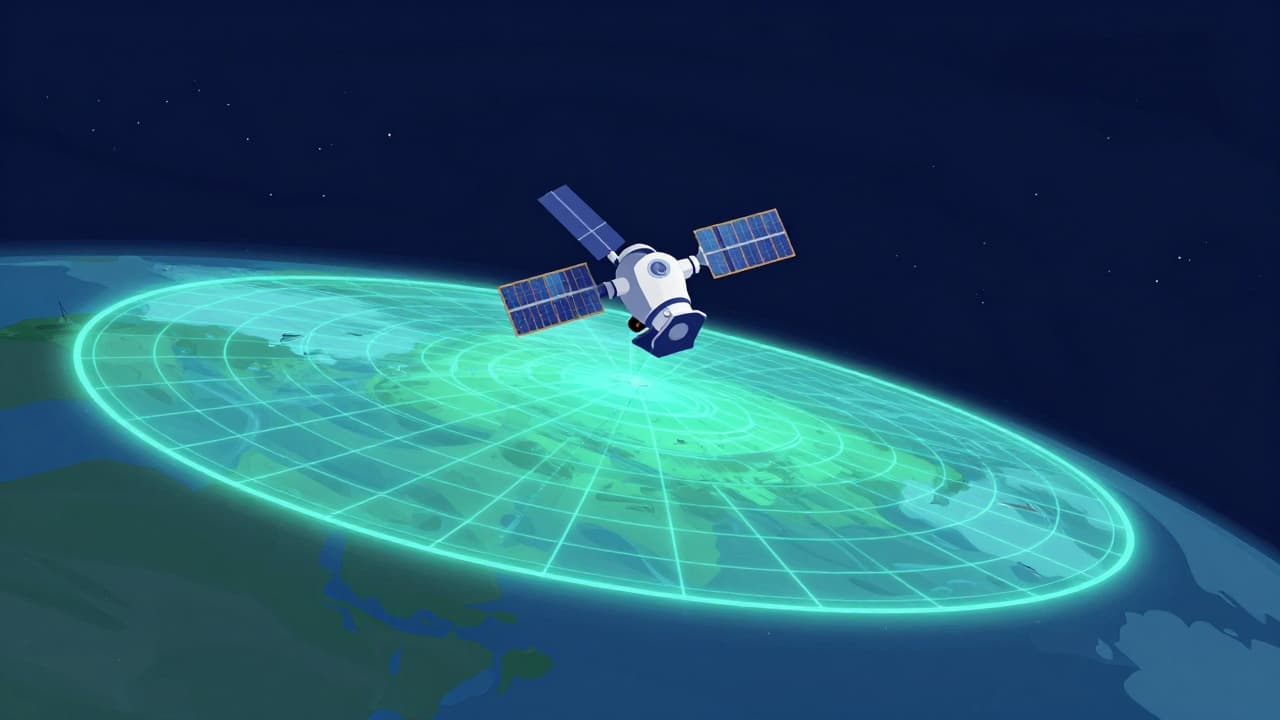
Given that the model relies on data from satellite radars and NASA's IMERG system, it has achieved significant improvements in forecast accuracy. In particular, it highlights a 50 per cent improvement in precipitation forecasts calculated for a period of one day in advance. This precision is particularly important for regions such as Latin America, Africa, and the Asia-Pacific region, which have previously been overlooked in forecasts due to the high costs associated with calculations on supercomputers.
In addition to general meteorological precision, the model offers specialised features tailored to the renewable energy sector. Notably, it highlights the ability to forecast wind speed at a height of 100 meters, which corresponds to the height of most modern wind turbines. Furthermore, the system provides detailed data on cloud cover and solar radiation, enabling solar power plants to more accurately estimate their energy production.
Given that the technology is integrated into the broader Google ecosystem, users have access to data through multiple platforms. Data is available via standard tools such as the Google search engine, the Gemini app, and Google Earth Engine, with developers and business entities equipped to access data via API.