Michael Mehringer is 26 years old and sits in a wheelchair in the laboratory of the Technical University of Munich Clinical Centre. A USB-port-like connector is visible on the back of his head, part of a brain-computer interface (BCI). Mehringer says he has been practically trapped in his own body for 10 years — he has been fully paralysed from the neck down since a motorcycle accident at the age of 16, and today relies on his parents' help.
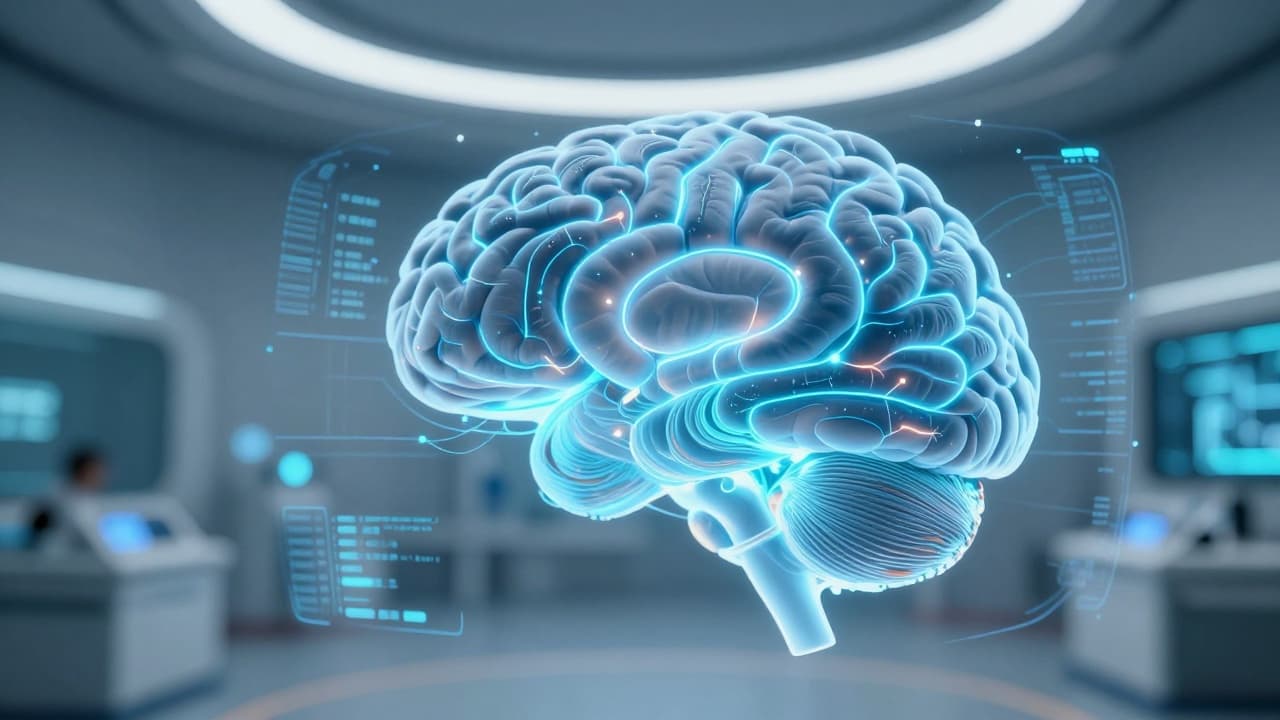
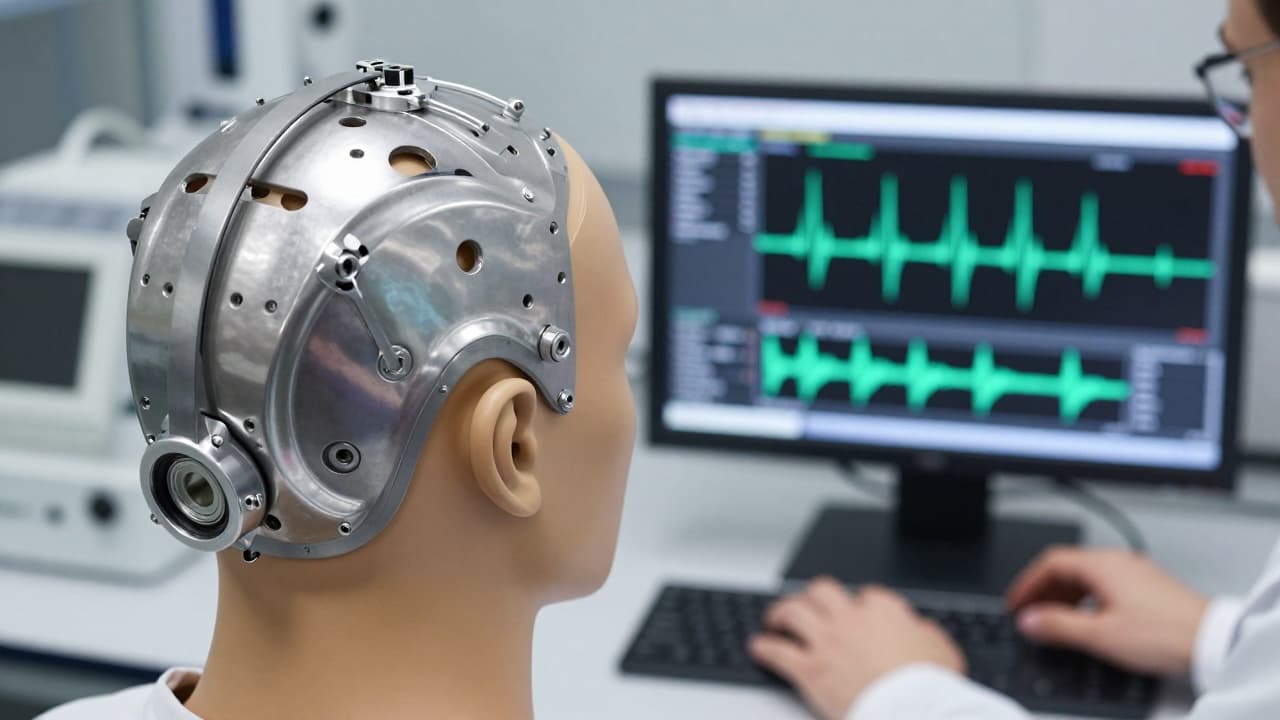
He learned about the research at the Technical University of Munich last year. During surgery, doctors implanted electrode chips into his brain. The system processes signals collected by 256 tiny electrodes embedded in the motor cortex, the area of the brain responsible for movement. Simon Jacob, head of the research group for artificial intelligence and robotics in neurosurgery, explains that the electrodes are so small that each individual sensor can register the electrical impulses of a single nerve cell.
The collected signals travel via the connector to a computer, where artificial intelligence processes the data and attempts to recognise patterns of brain activity. The aim of the research is to enable the conversion of brain impulses into concrete movements, and in the future Michael should be able to control a robotic arm using only the power of his thoughts.
German company CorTec has developed an implant that reads brain signals and can send them back to the brain to stimulate nerve cells. Co-founder Martin Schüttler says the goal is to increase the brain's ability to relearn after a stroke and improve the effectiveness of rehabilitation. In one study in the United States, a patient with an implanted device managed to move a paralysed arm again.
Elon Musk's company Neuralink shows great interest in neurotechnology. Its long-term plan envisages mass production of brain implants and significantly broader application beyond medical research, with Musk's vision including connecting the human brain and artificial intelligence. The plan is to perform 20,000 implants annually from 2031, but Neuralink does not yet have full regulatory approval for widespread medical use. One brain implant developed in China has already received approval for commercial use in paralysed people.
Simon Jacob says the biggest change has occurred in the field of software and artificial intelligence. Advanced algorithms can now recognise patterns in vast amounts of brain data that humans could not analyse. In recent years, scientists have managed to partially reconstruct images and music from the brain activity of test subjects, and researchers at Stanford University have partially decoded the inner speech of paralysed individuals. To prevent unintended mind-reading, the system was activated only after a specific mental password.
Judith Simon, a professor of information ethics at the University of Hamburg, warns that the moment brain data can be read and also modified, a huge area of potential abuses related to mental privacy opens up. Neuroethicist Marcello Ienca believes that the greatest risk currently does not come from implants but from everyday neurotechnologies such as headbands and other devices that monitor brain activity. Such tools could one day be used to measure concentration, fatigue or stress in the workplace or in education, and Ienca warns with the question of whether employees can truly freely refuse to use such systems. He also believes that a society in which intelligence can be bought could further increase existing inequalities.