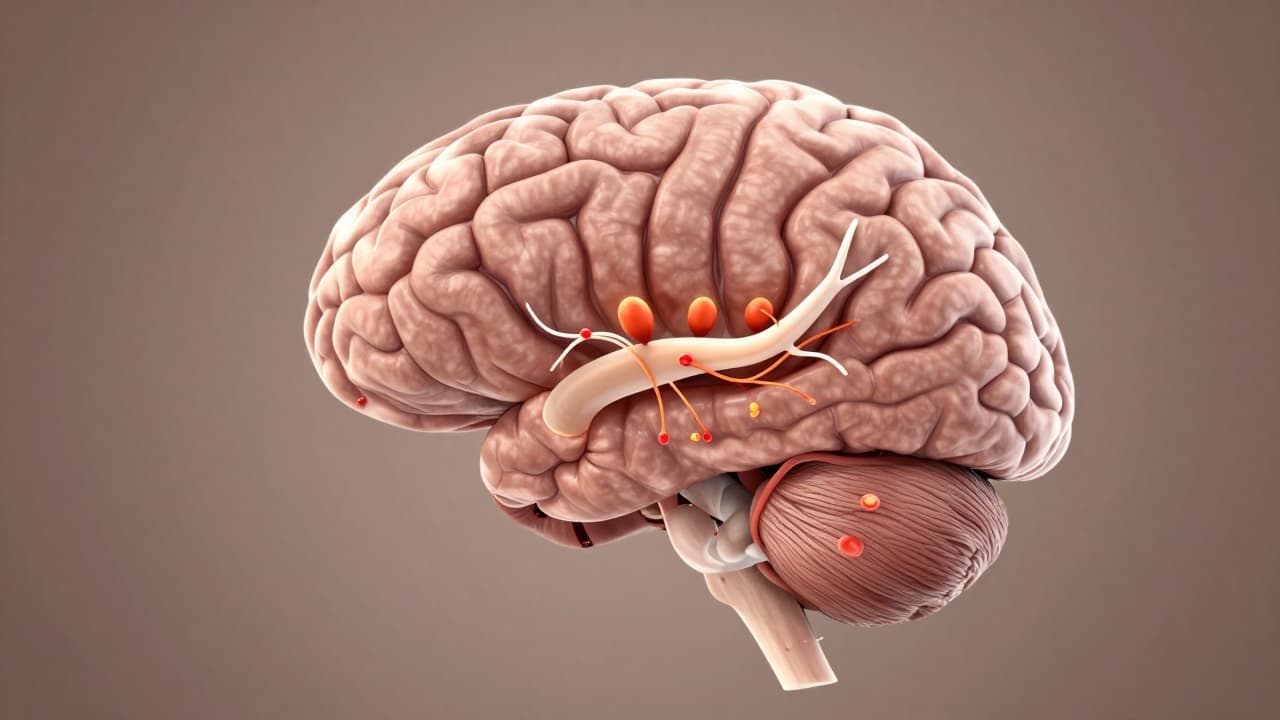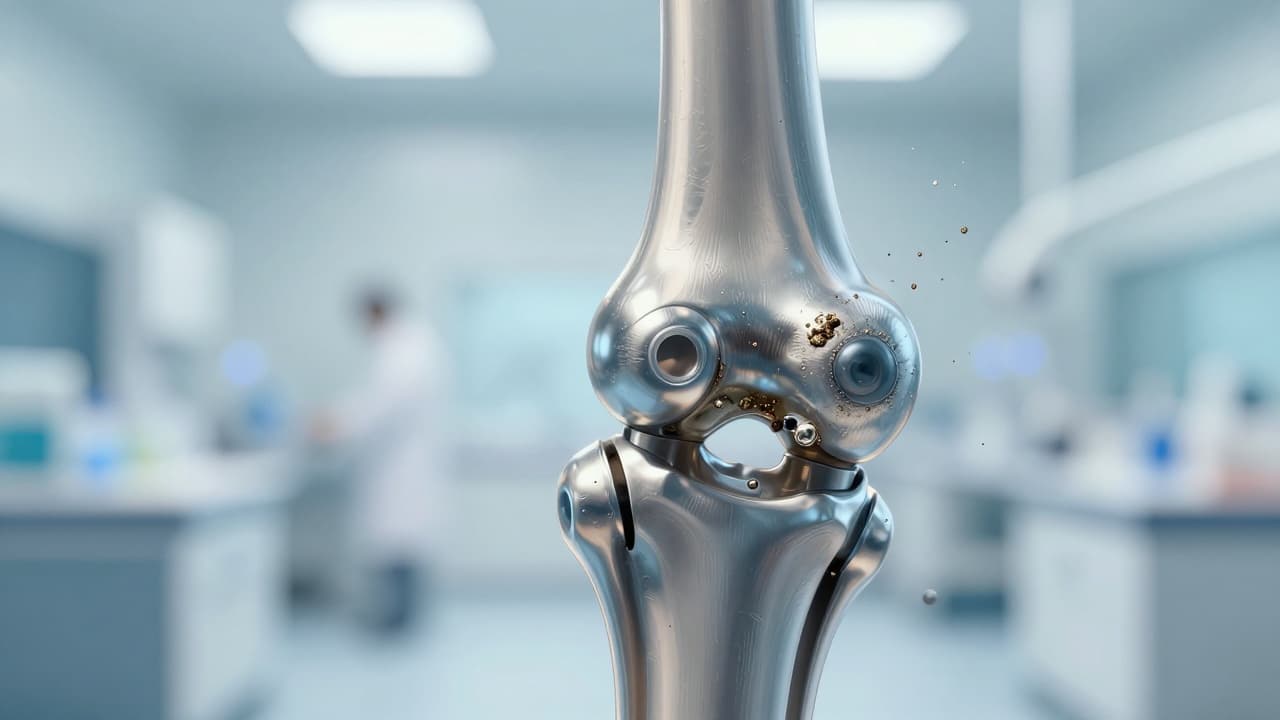
Scientists have discovered that metal particles, generated by the wear of artificial joints, can reach the brain. The research, conducted at the Rush University Medical Center, with results published in the journal Acta Biomaterialia, provides new insights into the behaviour of these materials within the human body. Although the finding is significant, experts stress that the current data does not necessarily indicate adverse effects on the cognitive abilities of patients.
The standard treatment for joint pain, such as in the hips, knees or shoulders, often involves the implantation of artificial joints. This surgical intervention allows patients to alleviate pain and regain mobility. However, the aging of the prosthesis, or the wear of the material due to friction, creates microscopic particles. Researchers have focused on the question of whether these particles, generated by corrosion or wear, can spread through the body and eventually reach the central nervous system.
For the purposes of the study, the team analysed the brains of 701 deceased individuals. Of the total, 229 deceased individuals had implanted metal prostheses. By measuring the concentration of metals, such as cobalt and titanium, in four different areas, the scientists identified specific differences. In individuals who had a prosthesis implanted, a higher concentration of metal was found compared to those who did not have such a prosthesis.
The researchers also found that higher levels of titanium in the brain were associated with poorer performance on cognitive tests. However, it is important to note that the titanium in the brain may originate from various sources, including food and medication, so it cannot be automatically assumed that the implant alone is responsible for the changes. The study did not directly track the path particles take through the blood-brain barrier, so the inferences are based on indirect evidence.
Scientists are considering the possibility that age or chronic inflammation could make the barrier more permeable, allowing particles to pass through. Nevertheless, the researchers stress that artificial joints have not been linked to the changes typical of Alzheimer's disease, although links have been found between high metal concentrations and changes in the brain. These findings open up new avenues for research, but currently do not indicate an immediate threat to the health of patients with implanted prostheses.