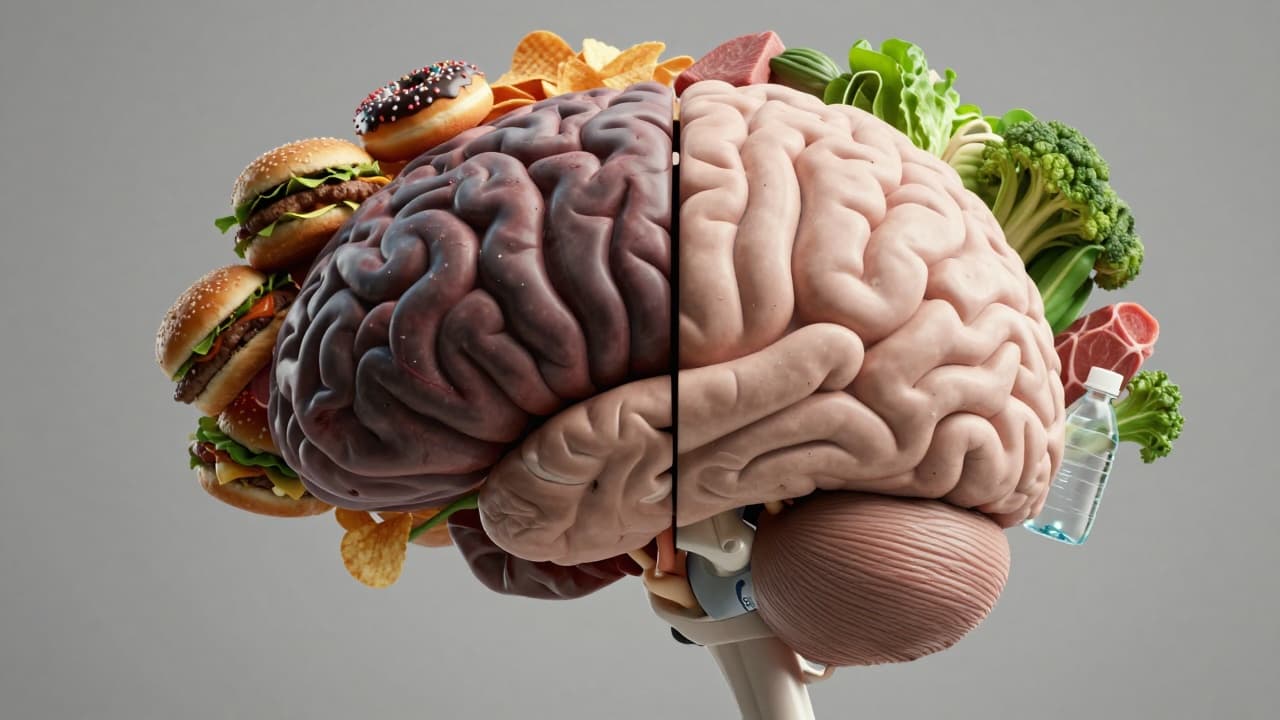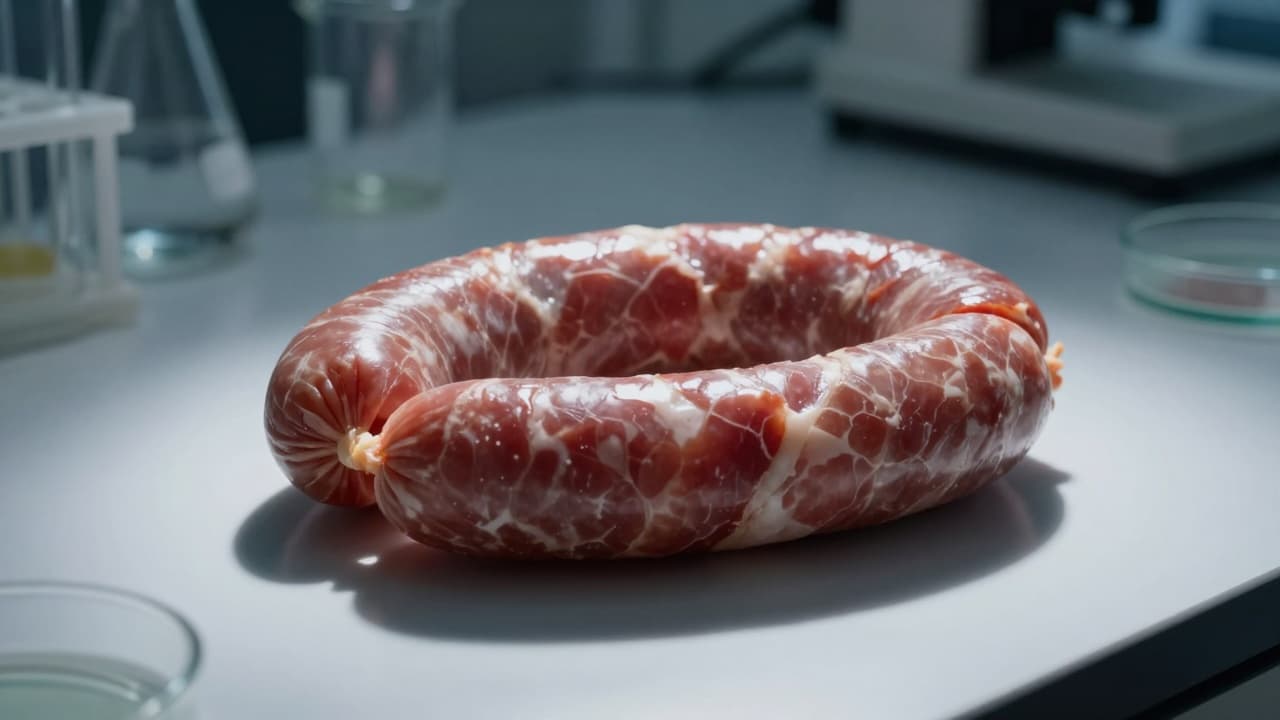
A comprehensive scientific study, involving exactly 450,112 participants, revealed significant links between a meat-rich diet and an increased risk of developing certain types of cancer, particularly those affecting the stomach and oesophagus. Although previous studies have focused solely on red meat, these findings indicate that the key factor is the way meat is processed, rather than the type of meat alone.
Researchers found that every additional 30 grams of processed meat carries a 9 per cent higher risk of developing stomach cancer. Furthermore, the same quantity of processed meat is associated with a 13 per cent higher risk of developing adenocarcinoma of the oesophagus. These findings highlight the seriousness of the potential health consequences of long-term consumption of processed meat, which has become increasingly common in modern dietary habits.
On the other hand, the study revealed specific risks associated with the consumption of white meat, particularly in the female population. In women, a higher level of white meat intake was linked to an increased risk of developing cancer in the middle and lower parts of the stomach. Specifically, an increase in daily intake of 20 grams was associated with a 20 per cent higher risk. This specific phenomenon in women could not be fully explained at the time the study was conducted, leaving room for future studies.
Scientists suggest that the causes of these health risks are multifaceted. The mechanisms behind the development of the disease include compounds formed during the thermal processing of food, changes in gut microbiota, as well as protein breakdown products. During the digestion of meat, compounds may form that contribute to cell damage and increase oxidative stress. It is important to note that processed meat contains higher levels of salt, and excessive consumption can further irritate the stomach lining, worsening the condition.
It is important to note the methodological limitations of this study. As dietary habits were assessed only at the beginning of the study, and changes during the 14-year follow-up were not continuously monitored, the results may be influenced by changes in the participants' dietary habits during the course of the study. Nevertheless, these findings provide important insights into the importance of a balanced diet and moderate consumption of meat products.