Adding testosterone to hormone therapy could more effectively protect bone density in postmenopausal women, particularly in the spine, compared with therapy containing only estrogen. This is indicated by new research whose results were presented this October at the annual meeting of the Menopause Society in San Diego. The study's lead author is Sona Davis from the University of Southern California.
The results have not yet undergone peer review or been published in a journal, meaning they still require further verification. Testosterone has historically been considered exclusively a "male" sex hormone, but the ovaries produce testosterone in addition to estrogen, a hormone essential for the female body that affects everything from the brain to the heart. Testosterone levels decline with age.
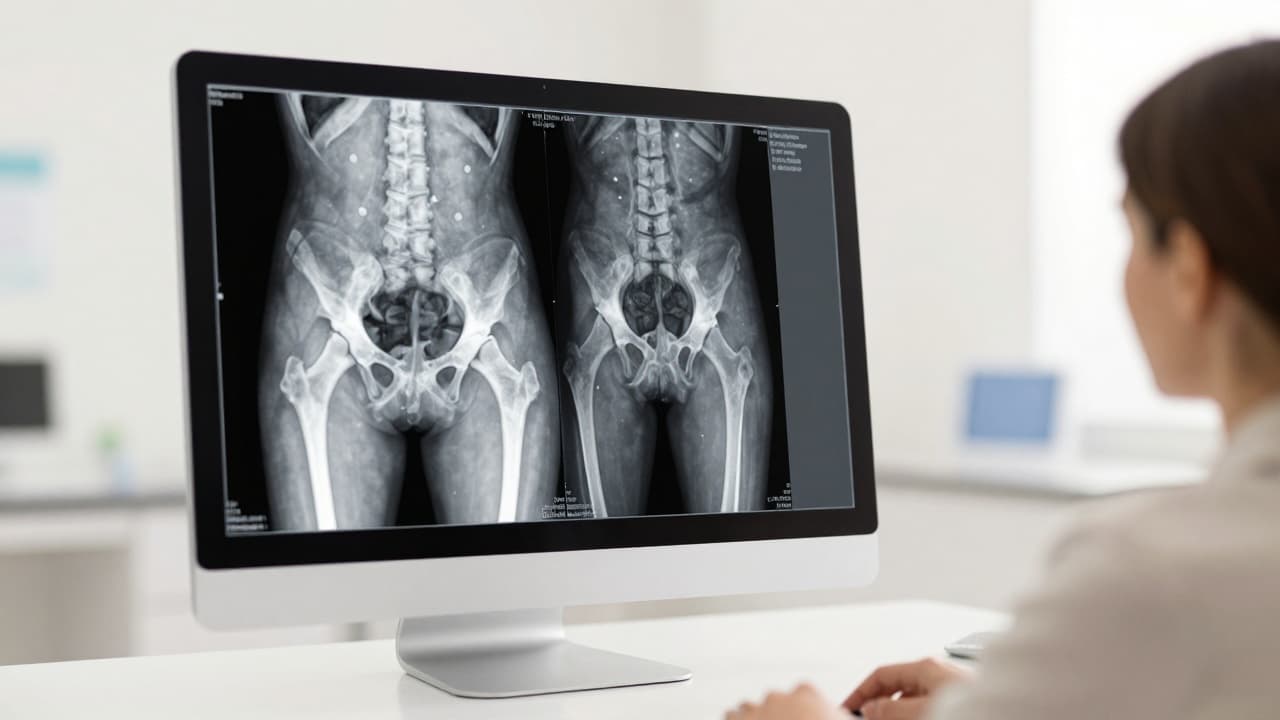
The new study analysed health outcomes in 51 postmenopausal women. All participants were prescribed hormone therapy at the same private hospital, and each received two types of therapy, each for a duration of at least one year, often longer. One type of therapy included only estrogen, while the other was a combination of estrogen and testosterone. Bone mineral density was measured via X-rays at the start of the research and again after one year of each therapy.
Estrogen-only therapy kept bone density stable but did not significantly increase it in the lumbar spine, the femoral neck, or the hip. Combined estrogen and testosterone therapy led to an increase in bone density in the lumbar spine. It is unclear whether these changes in spinal density are sufficient to reduce the risk of fractures.
Bone mass loss in women is largely attributed to the drop in estrogen levels. After menopause, with the cessation of menstruation, estrogen levels fall sharply, which is the main cause of bone weakening and porosity in older age. Estrogen therapy has been used for decades to protect against bone mass loss in some older patients, and estrogen replacement can increase bone density and reduce the risk of spinal and hip fractures in postmenopausal women.
In men with low testosterone levels, replacement therapy with this hormone is now a standard treatment for strengthening bones. Research conducted in 2022 on American women aged 40 to 60 established a positive link between testosterone levels and bone mineral density in the lumbar spine. Researchers at Monash University in Australia launched a clinical trial in 2023 to examine the role of testosterone in maintaining bone health, and in the same year, another smaller trial showed that testosterone-only therapy or in combination with low doses of estrogen can improve spinal and hip bone density.