New research has shown that the impact of social relationships on health is significantly deeper than previously thought. According to the findings, social isolation and loneliness represent a measurable risk to overall health and longevity.
The study used data from the UK Biobank, a biomedical database that has collected health information from over 500,000 participants. Scientists assessed levels of loneliness and social isolation and divided participants into four groups: those without loneliness or social isolation, those with only loneliness, those with only social isolation, and those with both. They analysed how these factors affect the expected lifespan free from major chronic diseases such as diabetes, heart disease, lung disease, dementia, cancer, depression and anxiety.
People who experienced both loneliness and social isolation had a shorter lifespan free from chronic physical illnesses compared with those who experienced neither. The same result was recorded for individuals without mental disorders.
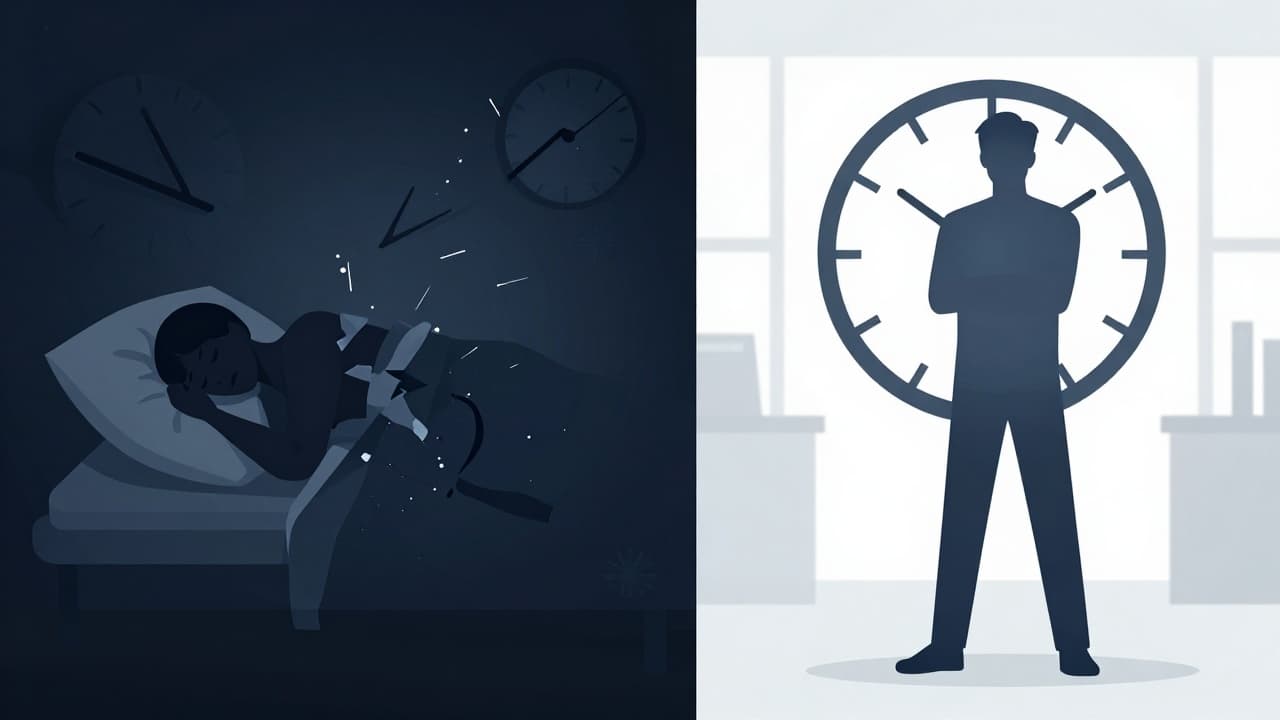
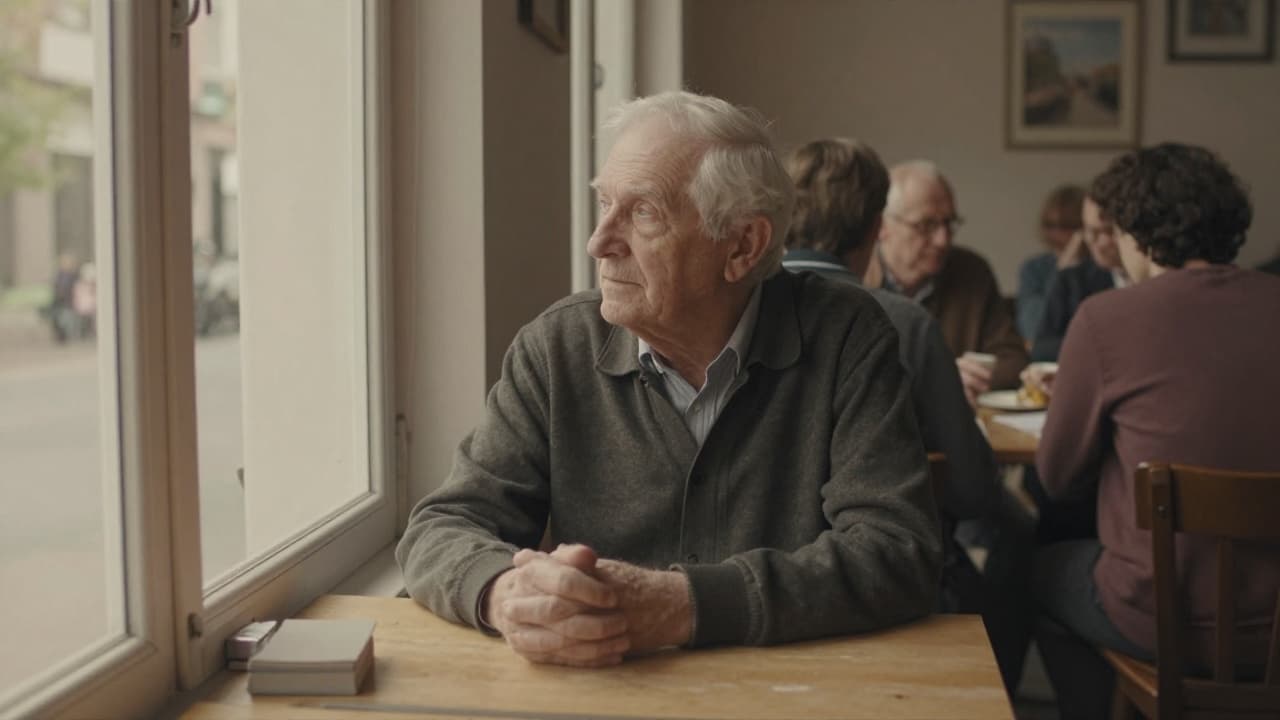
The research clearly distinguishes social isolation from loneliness. Social isolation refers to the frequency of spending time with others and can arise from circumstances such as moving, a breakup or remote work. It involves insufficient contact with others, which sometimes serves as a form of self-protection to avoid the possibility of rejection. Loneliness, on the other hand, relates to the quality of relationships and a sense of fulfilment – it is the feeling that existing relationships do not provide the deeper connection needed. Social isolation increases the risk of loneliness, and one can feel lonely even when surrounded by people if those relationships are not meaningful and fulfilling.
When people lack connection, stress becomes harder to control. Over time, a lack of connection can disrupt sleep, daily habits and physical health. The people in our environment influence how we care for ourselves – they may notice when we are unwell, encourage us to see a doctor or help us stay active. Poor health, pain or reduced mobility can make it difficult to maintain contacts. As people age, they often lose spouses, friends and the daily contacts provided by work or community. Loneliness fuels depression and anxiety, which further complicates maintaining relationships.
To reduce loneliness and build healthier relationships, it is suggested to start with a single message, phone call or short conversation with someone you trust. Even acknowledging that you feel disconnected can help. The goal is not to resolve loneliness overnight, but to gradually let someone closer. One reliable relationship is often more beneficial than occasional large social events.
It is suggested to choose an activity based on a shared interest, such as volunteering, exercise or a hobby group, and attend it regularly. Regular meetings help intimacy develop naturally and without pressure. A large number of social contacts does not necessarily mean less loneliness – the difference is made by relationships in which you can be honest. Therefore, it is recommended to set aside time for conversations that go beyond small talk and to share more of what you are truly experiencing. When interacting with a shopkeeper or waiter, it is suggested to strive for simple and warm communication. A friendly eye contact, a question like 'How is your day going?' or a simple greeting teaches the nervous system that connection can be safe, thereby building social skills without pressure.