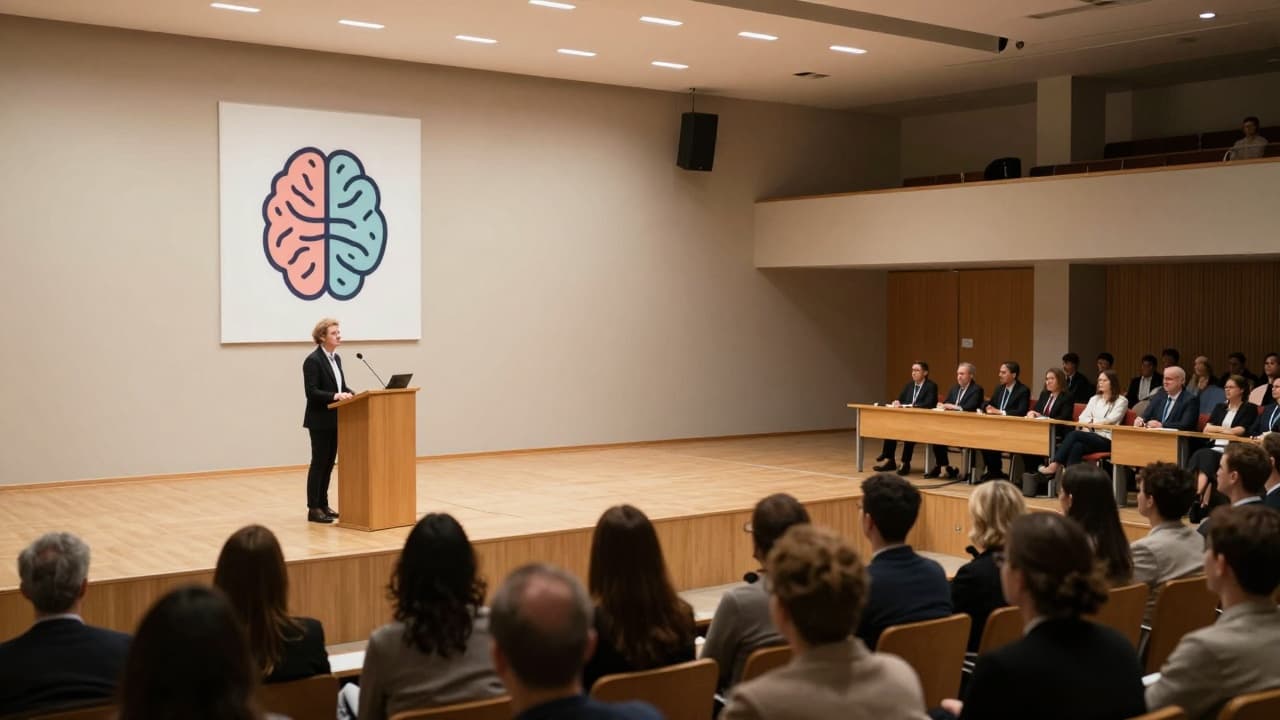
The Croatian Institute of Social Welfare has begun to conduct a study focused on families of people with dementia. The research team, comprising social workers Karla Grozdanić, Merica Šarčević, and Maja Šeović, initiated this study to gain a better understanding of the experiences, burdens, and specific needs of families caring for the ill. The implementation of the study began in August 2026, with prior approval obtained from the relevant authority.
The aim of this analysis is to understand the real situation and challenges faced by families, thereby creating a solid foundation for the development of future support. The researchers have deliberately expanded the scope beyond local boundaries, including participants from across Croatia, to obtain a broader and more representative insight into the experiences of families from different backgrounds. The expected outcome of the study is the formulation of recommendations for future support, including the organisation of support groups, educational programmes, and the establishment of day care centres tailored to the actual needs expressed by families.
This approach is necessary given the demographic landscape in Croatia. According to data from the Institute of Public Health, there are currently more than 50,000 people living with dementia in the country. The most common form of the disease is Alzheimer's disease, which accounts for between 60 and 70 per cent of all cases. Statistical data also indicates that the risk of the disease increases with age, with the risk for people over 70 estimated at around 10 per cent, while for those over 85, the figure ranges between 20 and 40 per cent. Therefore, understanding the specific needs of those caring for the ill is crucial for building a sustainable support system within the community.