The Split-Dalmatia County is building four centers for the elderly — in Dragljani, Aržan, Vrbica and on the island of Šolta. The projects, which together provide 377 new places, offer accommodation and services for at least 502 additional users.
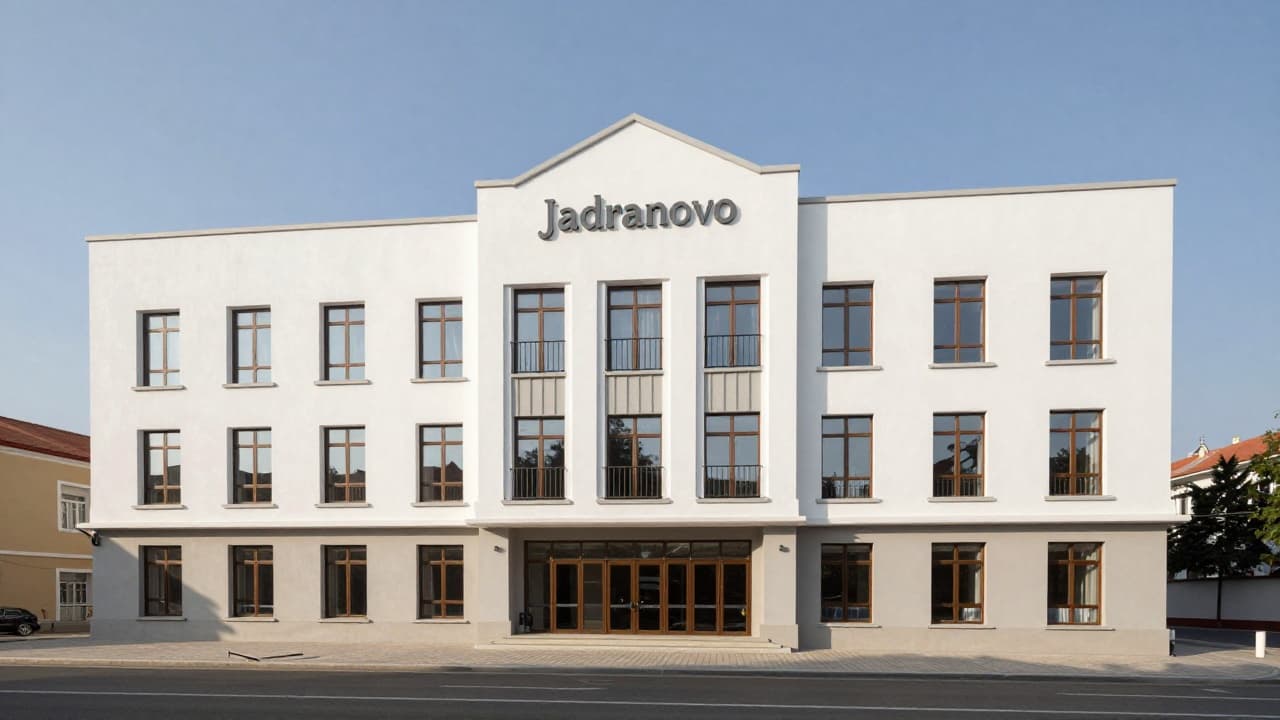
The Dragljani centre for the elderly, located in the area of Vrgorac, is the first of the four centers developed by the County. It is being created through the reconstruction and conversion of a former school building owned by the County, covering an area of approximately 2,500 square metres. The investment is valued at around €7 million, of which more than €5 million is secured from grants provided by the National Recovery and Resilience Plan. The project was prepared in cooperation with the City of Vrgorac, the Split-Dalmatia County, and the public institution RERA S.D.
The Dragljani centre will offer 101 accommodation places, of which four will be in a space adapted for people with Alzheimer's disease. The facility includes 44 rooms, areas for communal activities, and a space for a family doctor. The project provides for at least 256 users to receive out-of-institutional care, which includes day care, counselling, psychological support, and care for the elderly when their caregivers are unable to provide care. The conversion of the school, which has not been in use for years, provides the local community with an important public facility.
The centre in Aržan is in the early stages of construction, with a total capacity for 275 users. Of these, 98 people will be accommodated in residential care, 50 in day care, while 127 users will receive support in their own homes. In Vrbica, the design for a centre with 108 accommodation places is currently being developed, with daily care for 13 users and semi-daily care for 26 users. For the centre on the island of Šolta, in the settlement of Srednje Selo, a final building permit has been issued, with 70 accommodation places and semi-daily care for 30 users planned.
The Split-Dalmatia County, led by Župan Blaženko Boban, is developing centres in the hinterland and on the islands. The locations of the new centres were chosen with consideration for the aging population, out-migration, and the limited availability of care outside major towns. Currently, existing accommodation capacity covers only 2.4 per cent of the population aged 65 and over, with a shortage of accommodation facilities being particularly evident in the Dalmatian hinterland. Most services are currently concentrated in urban centres.
Anamarija Bralić, the head of the Administrative Department for the Management of Immovable Property, Construction and Property Legal Affairs of the Split-Dalmatia County, stated that the completion of works in Dragljani is planned for the end of October.