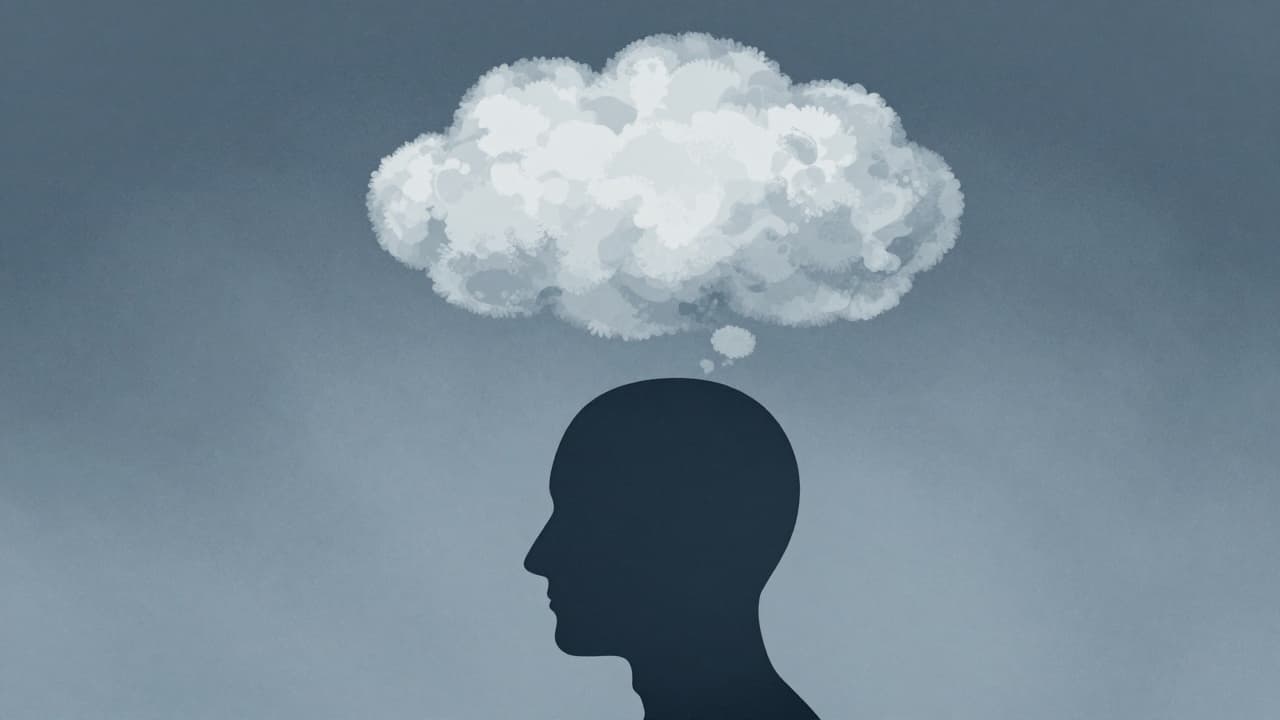
World Mental Health Day is marked every 10 October, but this year it coincides with a dramatic rise in mental health issues within the general population. The profession is most concerned by the sharp increase in mental health problems among children and adolescents, warns psychologist and certified gestalt psychotherapist Ivana Mihaljica Baljak.
In recent years, there has been a significant rise in the demand for services from experts, ranging from psychologists and psychotherapists to psychiatrists. The network of professional support has become insufficient under this pressure, and an increase in hospitalisations of children and young people in specialist psychiatric hospitals has been recorded due to acute, emergency conditions. At the same time, awareness among parents and young people about the importance of seeking help early is constantly increasing.
The era of the 20th century was called the age of anxiety, while the century we live in today can be declared the age of depression. At the end of the last century, the prevailing mood in the region was one of collectivism and shared values, and an individual's life path was then more predictable and stable, from securing housing to a secure job. Following social and historical changes, and the liberalisation of the market, an era of strong individualism and free capital has emerged.
In Croatia, we experienced war in the 90s, and many people at that time experienced trauma that is transmitted intergenerationally, not only through family stories but also through changes in genes. The knowledge of new wars leads to re-traumatisation. Today, the individual is under immense existential pressure, even when attempting to secure the minimum conditions for life, such as a roof over one's head or stable income. A side effect of this process is the weakening of collective connection, which breeds a deep sense of alienation and not belonging. We are witnessing the weakening and disintegration of family and friendship ties, as well as the increasingly difficult achievement of romantic relationships in the real world.
In the US, the system is based on health insurance covering a certain number of psychotherapy sessions, while Western European countries have been developing outpatient, non-institutional forms of care for years. The emphasis is on natural rehabilitation and the reintegration of the individual into society. The World Health Organization (WHO) defines mental health as a state of mental well-being that enables people to cope successfully with the stresses of life, realise their abilities, and learn and work effectively, contributing actively to their community. Health is not merely the absence of disease.
This definition encompasses emotional, psychological, social, physical, and spiritual well-being, but also includes the social component, specifically the individual's economic stability to a level acceptable for coping with the cost of living. Mental health and mental illness are not two opposite poles of the same spectrum. Just as a physically healthy person can experience temporary back or knee pain, a mentally healthy person can experience temporary psychological distress or emotional problems. If one does not respond to these initial disturbances in a timely manner, the risk of developing a clinical condition increases.
Clinical disorders such as depression, anxiety, or schizophrenia are diagnosed according to clear criteria and involve long-term disturbances in thinking, behaviour, and daily functioning in the family or work environment. Even 70 per cent of all mental illnesses can be diagnosed before the age of 25, and childhood and adolescence are crucial times for recognising the first symptoms. The World Health Organization warns that half of all disorders occur by the age of 14, while anxiety in children develops between the ages of six and 14.
Not all stress is negative. Short-term stress drives us, motivating and propelling us forward, placing us in a primordial choice: 'fight or flight' (fight or flight). In that dilemma, fight is always the better choice. The problem arises with long-term, chronic exposure to stress. When an individual develops a 'tunnel vision' and can no longer see a way out of the situation, their internal coping resources weaken, and defensive mechanisms take over.