Scientists at Osaka Metropolitan University have identified the key mechanism behind the inability to resist fatty and unhealthy food. The study found that the reason for overeating is not solely a matter of weak character or willpower, but rather biological factors at the cellular level. At the heart of the discovery is the protein OPA1, which is crucial for regulating body weight and energy metabolism.
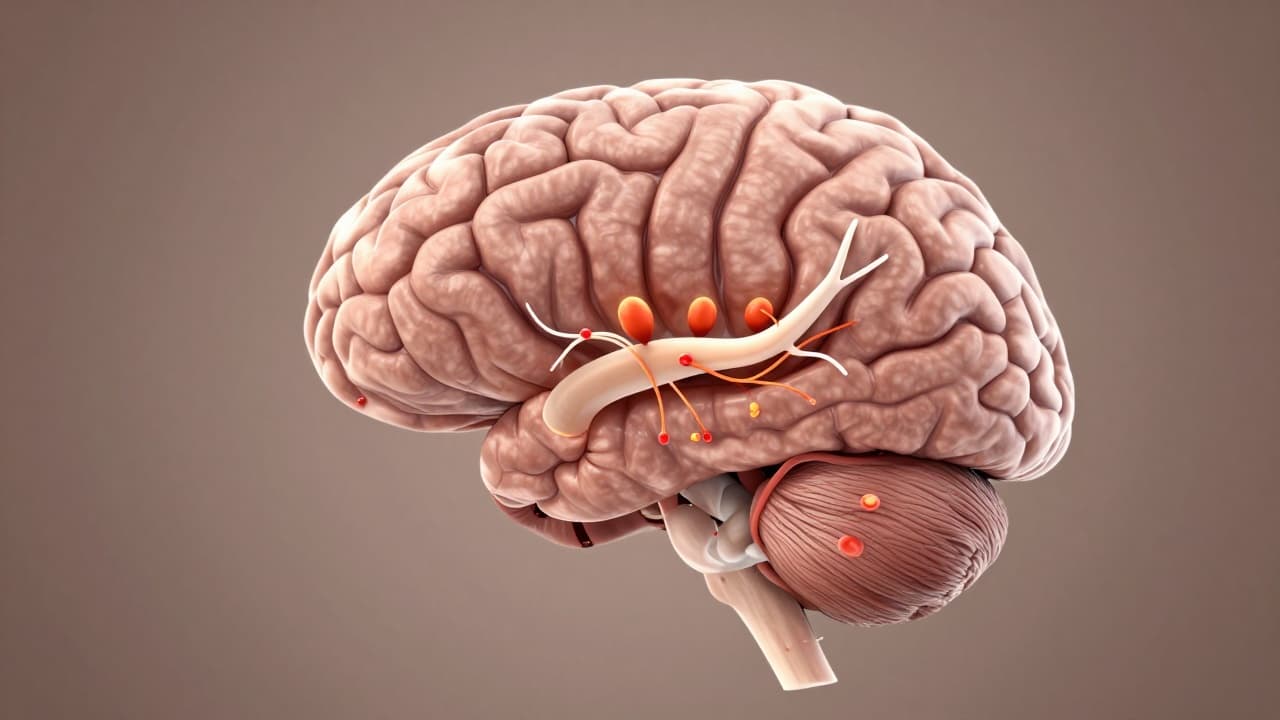
The protein OPA1 is naturally found in almost all human cells, but its role is particularly critical in tissues that consume large amounts of energy, such as the brain, heart, muscles and liver. Within cells, this protein is located within mitochondria, the organelles often described as cellular batteries because they produce the energy required by cells. In the brain, specifically in the hypothalamus, specific cells known as MC4R neurons act as key regulators. These neurons manage the sensation of fullness and signal the body when it is time to eat, and when the body should switch to burning excess calories.
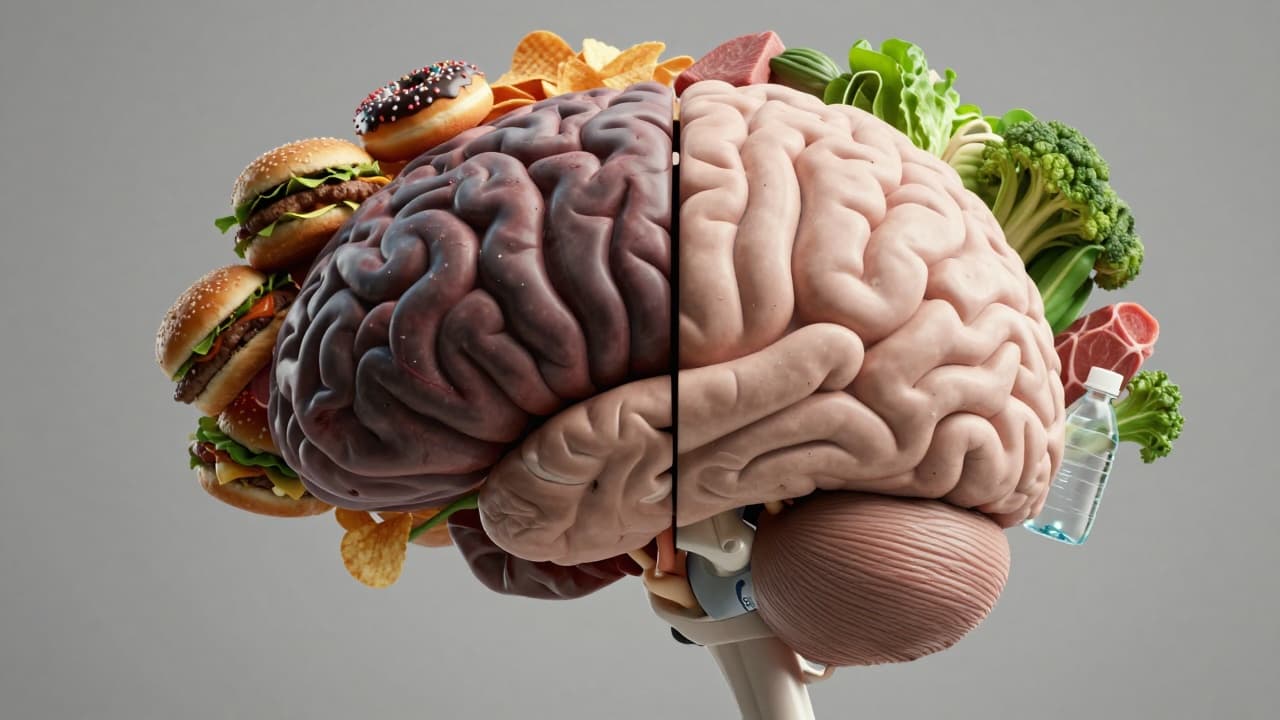
To test the impact of this protein, scientists conducted experiments on mice. By removing the OPA1 protein from specific cells, researchers induced a state described as general. In mice from which this protein was removed, the batteries in the neurons were depleted, leading to an inability to send accurate signals about the feeling of fullness. Instead, these animals exhibited a strong, almost insatiable desire for fatty food. The mice began to aggressively choose the unhealthiest and fattest foods, which in the short term led to significant weight gain and the development of obesity.
Although the study was conducted on an animal model, scientists note that the human brain functions in a nearly identical manner. This discovery has important implications for understanding human obesity. If these findings are confirmed in humans, it would mean that the desire for fatty food could be the result of weakened cellular batteries in the brain, rather than a lack of character strength or self-control. This insight opens up new perspectives on understanding the mechanisms of obesity and potential treatment methods, including the possibility that weight loss drugs may be less effective in individuals with a deficiency in this protein, which could explain why the same treatments do not work equally well in men and women.