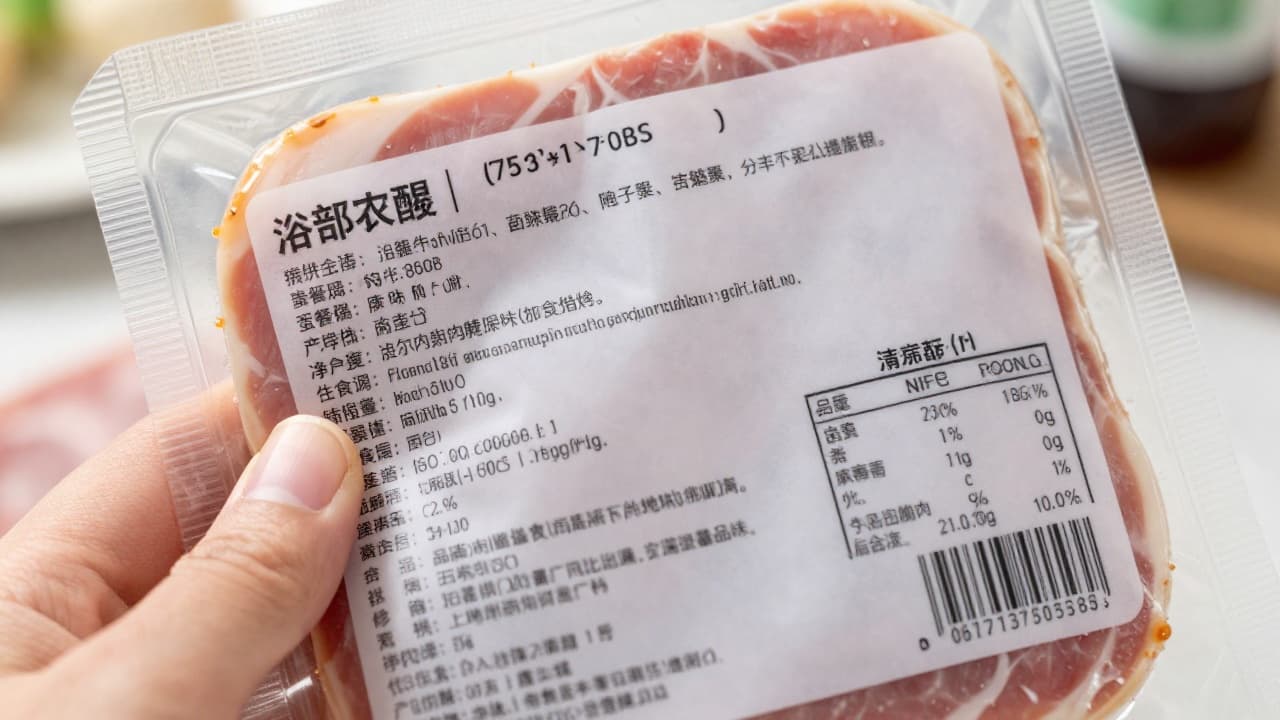
Oncologist Ted A. James, executive physician at the Enda Health Institute, checks the product label first when shopping. He pays particular attention to sodium nitrate and sodium nitrite, the ingredients he checks first when looking at the ingredient list.
James warns that the most important information about a product is often not on the front of the packaging. Therefore, he recommends checking the ingredient list and nutrition table, where one can find data on the amount of sodium, added sugars, preservatives and other ingredients the product contains.
Sodium nitrate and sodium nitrite are used as preservatives in certain foods. They can extend the shelf life of the product and help preserve the characteristic colour and taste of processed meat. They are most commonly found in products such as bacon, ham, sausages, salami, pepperoni, various processed meat products and cured meat.
The reason for James’ interest in these compounds is the possible link between certain substances that may form from nitrites and an increased risk of cancer. When nitrites from processed meat react with other substances during food preparation or digestion, compounds known as nitrosamines can form. Some nitrosamines can damage cells and DNA, which over time can increase the risk of cancer. The risk can be influenced by other meat processing methods, including smoking, salting and curing.
James therefore advises that the intake of food with added sodium nitrate be limited as much as possible. However, he stresses that the goal is not to become obsessed with every ingredient listed on the label. He specifically warns against products labelled “nitrate-free” or “preservative-free”, as this label can create the impression that the product is automatically healthier, which may not be the case. Some products labelled “nitrate-free” may contain plant-based sources of nitrate, such as celery powder.
The American Institute for Cancer Research recommends very little, if any, consumption of processed meat due to the link with the risk of malignancy. James, however, stresses that there is no need to panic if bacon, hot dogs, sausages or salami have been part of the diet for years. The fact that a person has previously consumed processed meat or sodium nitrate does not mean they will develop cancer, as the risk of malignancy is influenced by a number of factors.
Diet is only one of the risk factors, along with genetics, body weight, physical activity, smoking and alcohol consumption. The food we eat can affect the processes in the body related to inflammation, hormone levels and exposure to compounds that may potentially damage cells and DNA. Among the alternatives to processed meat, James recommends beans, lentils, fresh fish, chicken and turkey, as well as nuts, seeds and tofu. He advises that on the next purchase, one should not automatically trust the large print on the front of the packaging.