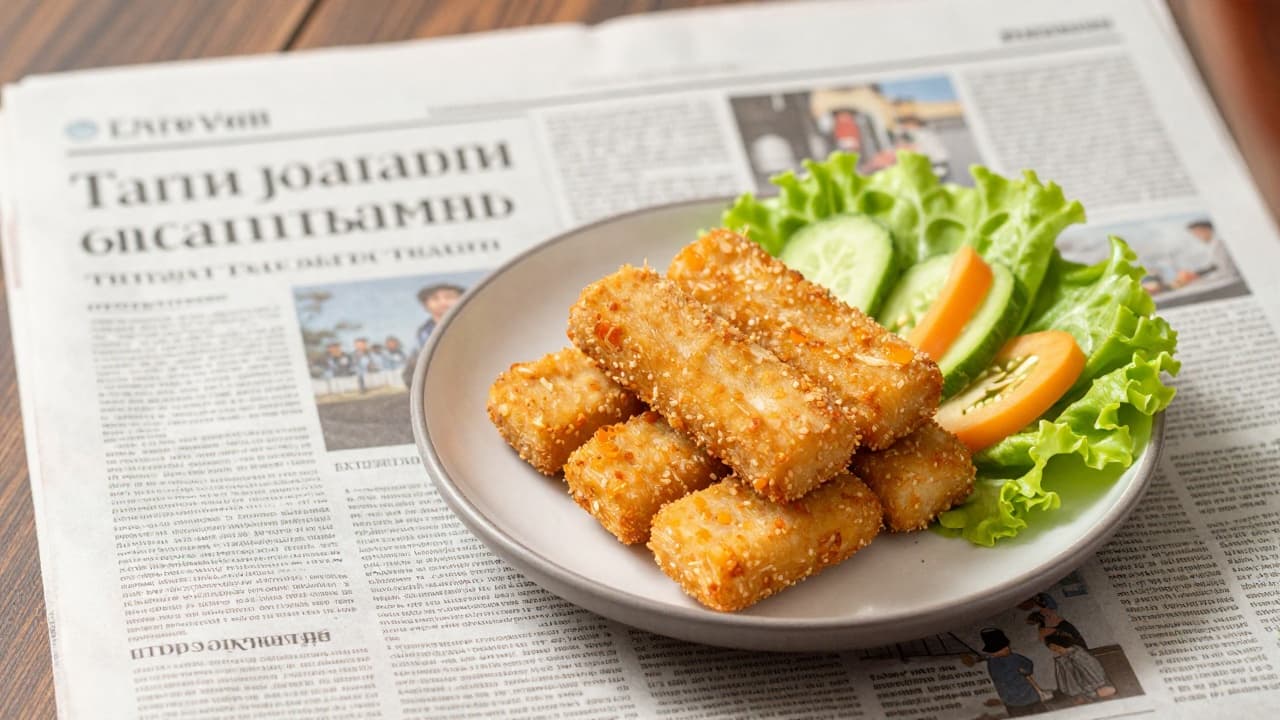
Consumer organisation Stiftung Warentest detected the presence of 3-monochloropropanediol (3-MCPD) during testing of fish fingers, a substance that can form during food production and processing. The German State Office for Consumer Protection and Food Safety of the federal state of Lower Saxony (LAVES) warns of potential risks.
3-MCPD fatty acid esters are compounds that can form during food processing at high temperatures, particularly above 180 degrees Celsius. Such compounds are linked to potential harmful effects on the kidneys and possible carcinogenic effects, and may be present in products prepared by frying or baking, including fish fingers. Harmful effects have so far been confirmed in animal studies.
German LAVES recommends that the intake of 3-MCPD through food be reduced to the minimum possible extent. According to the European Food Safety Authority (EFSA), the tolerable daily intake of 3-MCPD is two micrograms per kilogram of body weight. For a child weighing between 30 and 40 kilograms, the limit is thus between 60 and 80 micrograms daily, while for an adult weighing 80 to 100 kilograms, it is 160 to 200 micrograms.
According to the results of the Stiftung Warentest testing, some products contained such high quantities of 3-MCPD that a child weighing just 16 kilograms could reach the tolerable daily intake by consuming three Iglo brand fish fingers. This finding refers to specific tested products and does not mean that all fish fingers contain equal amounts of the mentioned compounds. Experts also warn about the fat content, which increases further during frying.
Preschool children should eat a maximum of three fish fingers per meal, and school-age children are advised to consume a maximum of five fish fingers per meal. These recommendations relate to portion size, not to a guaranteed safe quantity of 3-MCPD in every product.
3-MCPD fatty acid esters were also found in chicken medallions, better known as nuggets, and in vegetarian fried cutlets. Experts therefore recommend moderation in the consumption of previously breaded frozen and chilled products. Such food does not have to disappear from the menu entirely, but it should not be a daily choice, especially when it comes to children's diets.