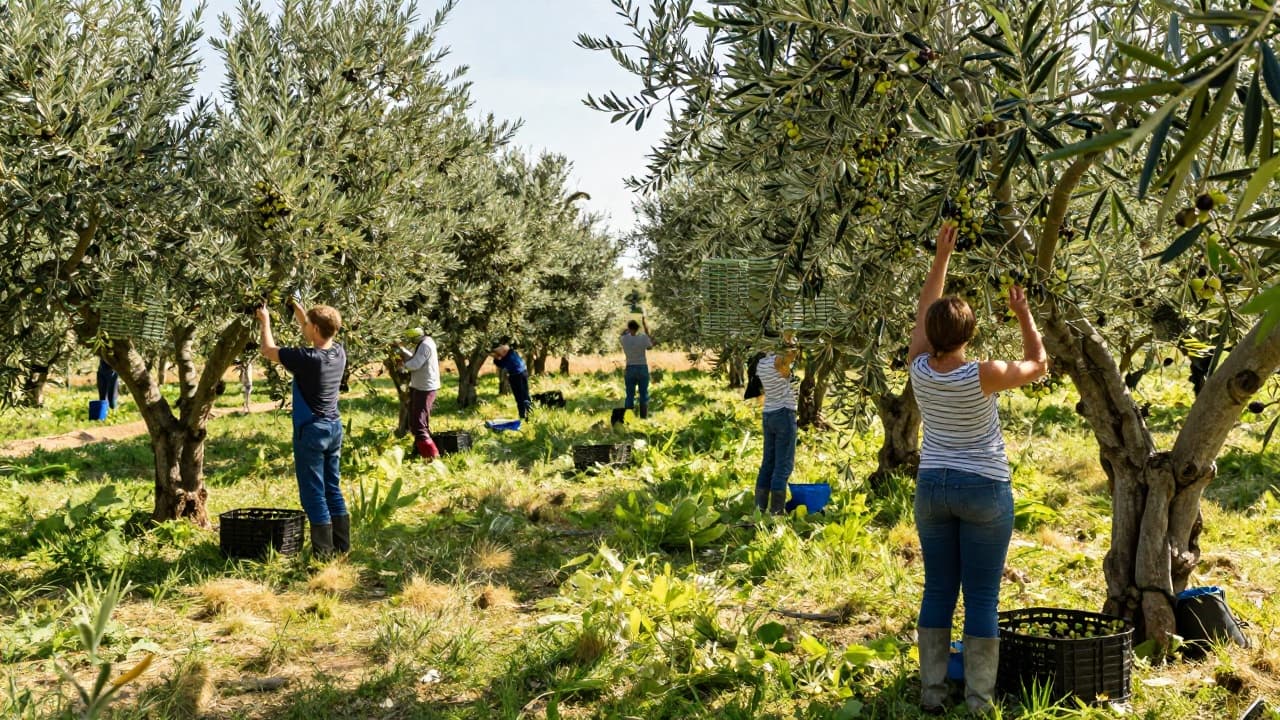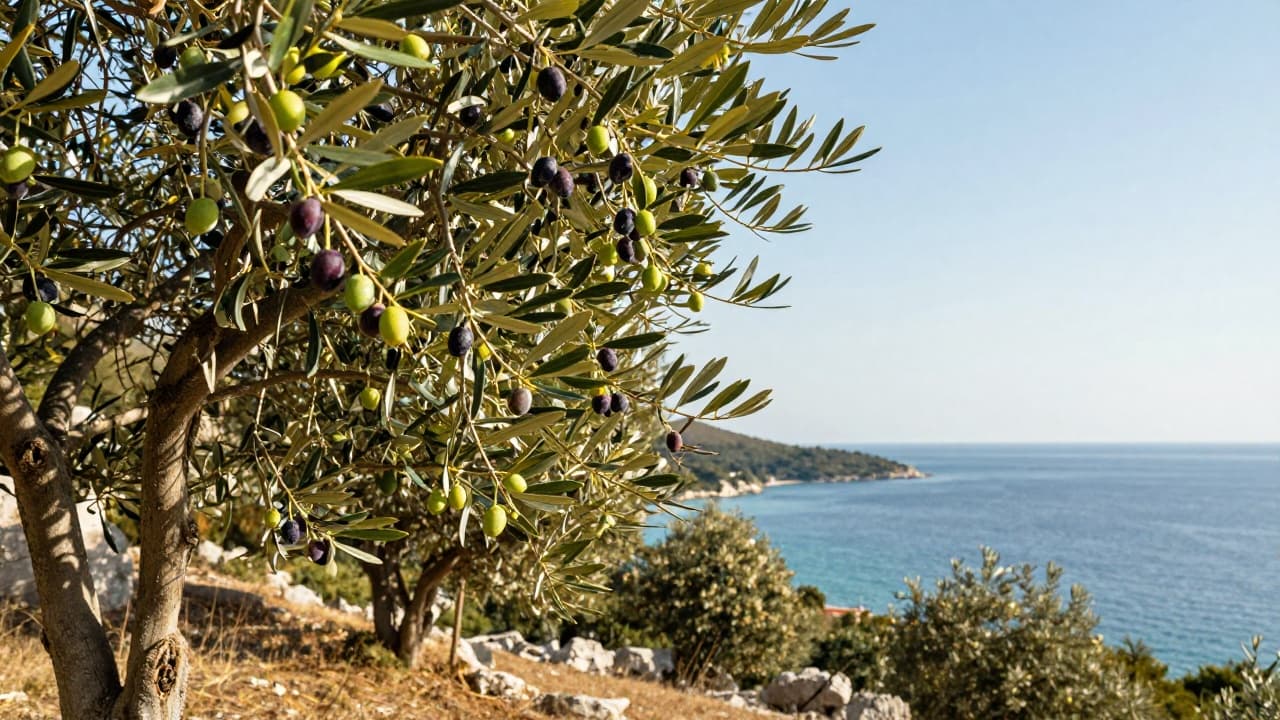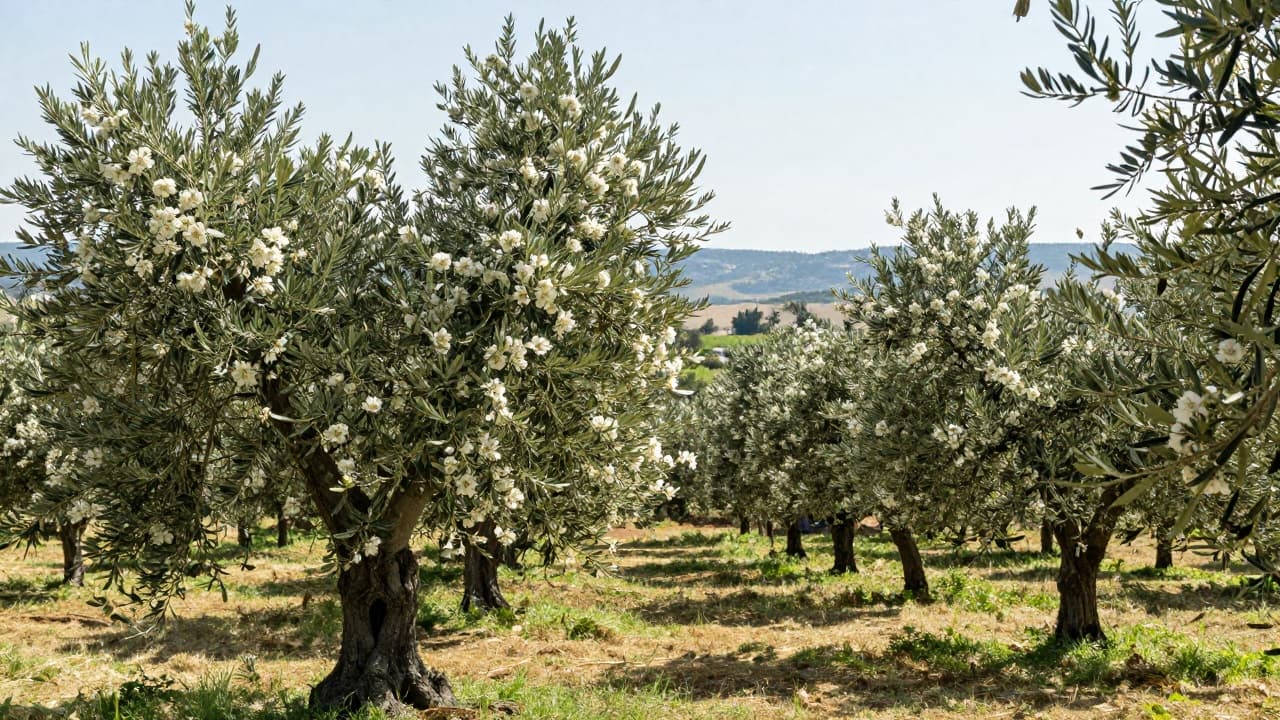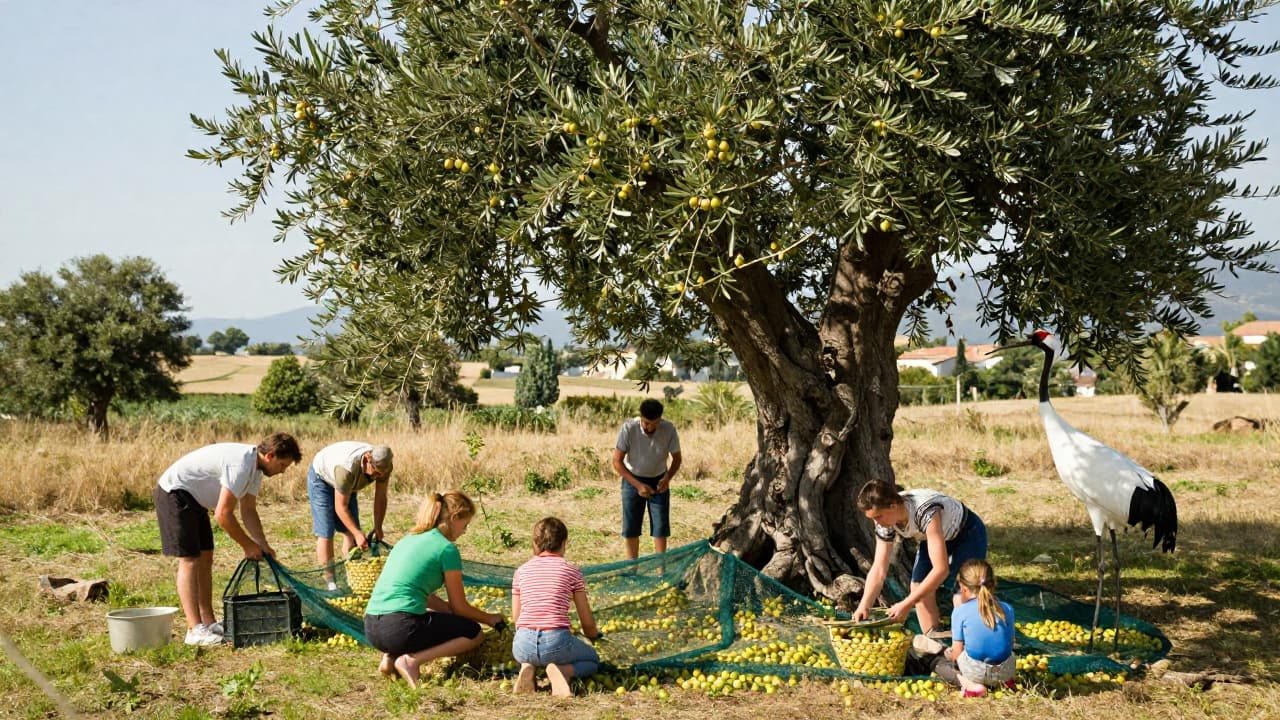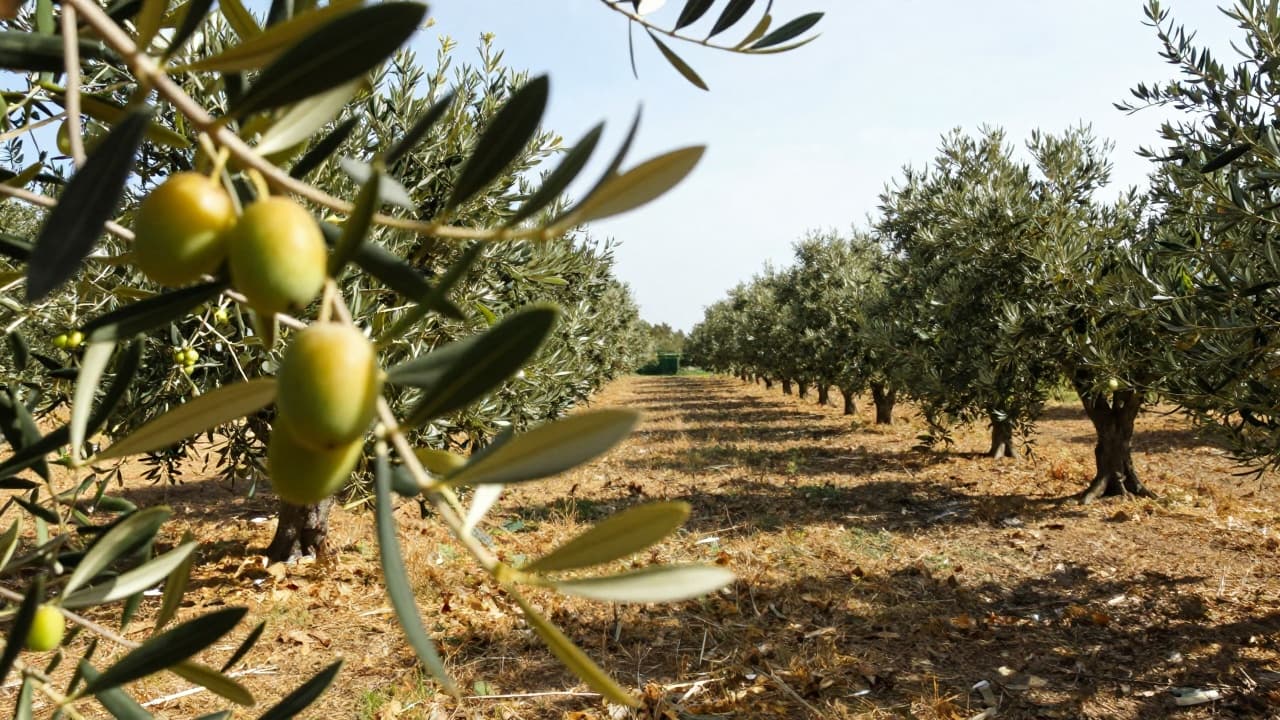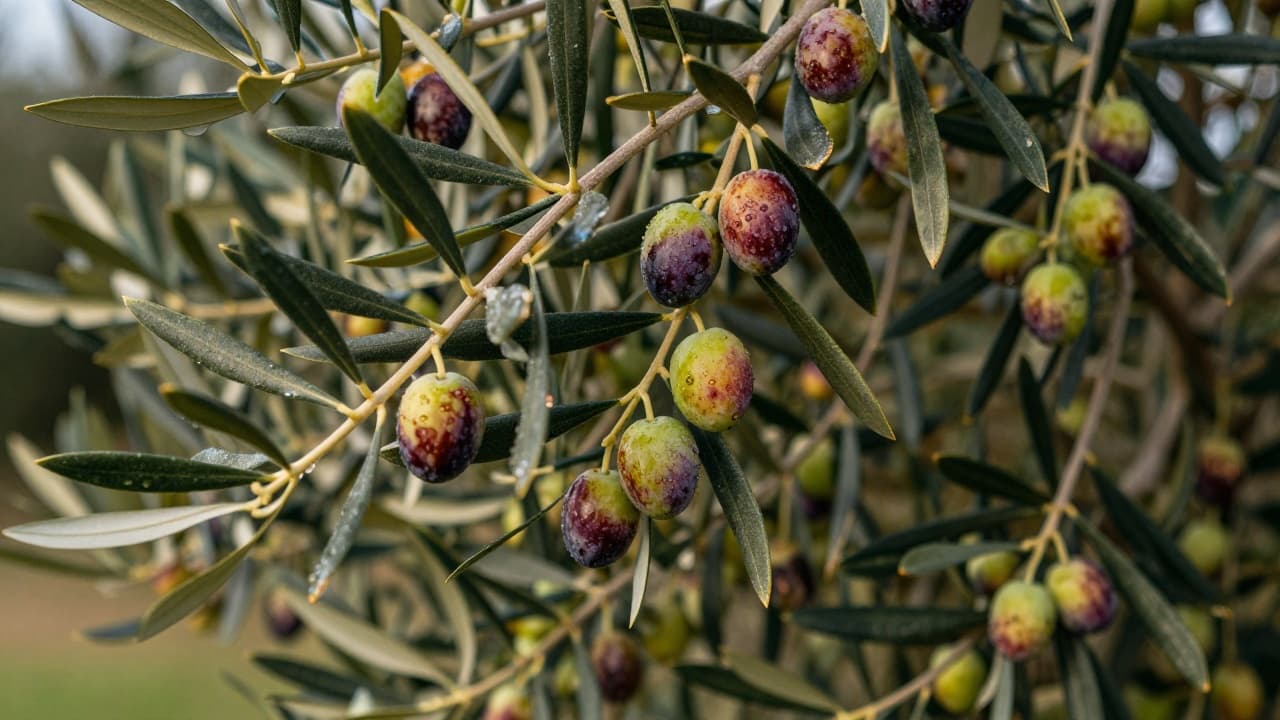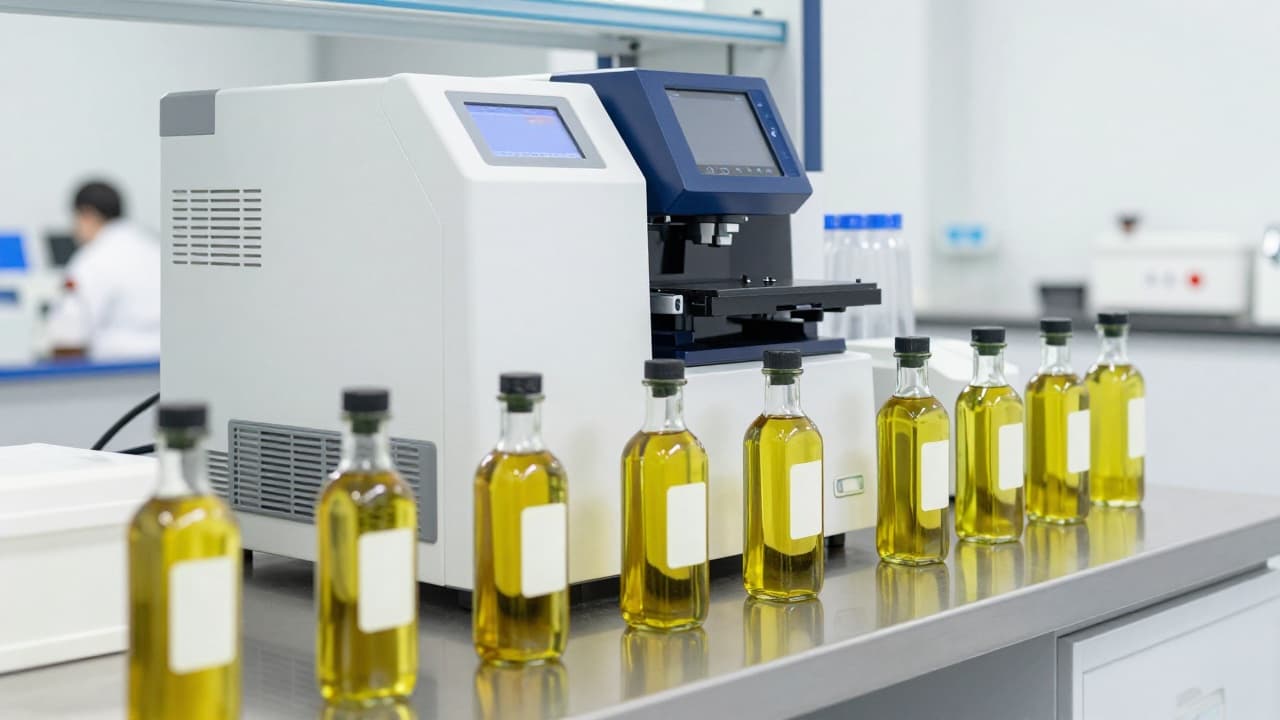
In Istrian oil mills, this year's olives are being processed, while at the Food and Biotechnology Laboratory of the Institute of Agriculture and Tourism in Poreč (Institut za poljoprivredu i turizam), one of the most intense periods of the year is underway. Samples of fresh olive oil arrive daily for analysis, as producers seek to determine the outcome of this year's harvest, whether their oil meets the extra virgin category, and how its chemical composition differs from previous years.
The Poreč laboratory has been conducting quality analyses of olive oils for the market since 2009, serving producers from across Croatia, ranging from small family olive groves to large oil mills. It is an accredited laboratory authorised for official controls of olive oils, testing samples brought in by producers themselves as well as those submitted by the State Inspectorate (Državni inspektorat) from the market. The laboratory is headed by Dr sc. Marina Lukić, a scientific associate.
Each sample first undergoes a receipt and coding procedure, and, where necessary, the removal of labels, markings and recognisability signs. The identity of the samples is completely unknown to the analysts in the laboratory and the assessors in the panel, and special measures are taken to protect personal data and the confidentiality of information relating to laboratory service users and their oils.
Smaller producers most often request the determination of free fatty acids, i.e. the acidity of the oil, and the peroxide value, and occasionally a sensory analysis. Larger producers generally opt for a more comprehensive quality analysis, which includes so-called K-values, ethyl esters and a sensory analysis.
For the extra virgin olive oil category, the oil must meet all eight prescribed quality criteria throughout its entire shelf life. If even one criterion fails to meet the prescribed requirements, the oil cannot be labelled as extra virgin, and it is then checked whether it meets the conditions for the lower category, namely virgin olive oil, for which somewhat milder criteria apply. Extra virgin and virgin olive oil are the only two categories of virgin olive oil that may be sold directly to consumers, while oils that do not meet the conditions for virgin olive oil are not suitable for direct consumption and cannot be placed on the market as such.
There are producers who are particularly focused on branding their products and therefore request additional analyses that are not mandatory for determining the quality category. Among the additional analyses, the analysis of phenolic compounds is becoming increasingly popular, as these have become of growing interest to producers in recent years who wish to highlight the distinctiveness of their oils. In accordance with EU regulations, the beneficial effect of phenols may be stated on the label, and this health claim has been approved by the European Food Safety Authority (EFSA).
A specific method of analysis by liquid chromatography, or HPLC, exists for this health claim, and at the Food and Biotechnology Laboratory, the concentration of phenols is determined in this way. It can be compared with the minimum concentration required to achieve a beneficial health effect, and based on such an analysis, the claim may be stated on the label. As part of the analysis service, the laboratory also provides a solution for using this claim on the label.
At the start of this year's harvest, oils with a very high content of phenolic compounds of around 800 mg/kg were analysed, while the minimum threshold for the health claim is 250 mg/kg. Producers also want to know the profile of individual compounds, e.g. the concentrations of oleuropein, oleacein and oleocanthal, and how it differs with regard to variety. Variety and other factors such as the timing of the harvest, processing conditions or the production year have been the subject of many scientific studies conducted in this laboratory.
In Croatia, an olive oil producer is not obliged to have a laboratory analysis of its quality carried out before placing the product on the market. This does not mean that the oil does not have to meet the prescribed criteria, nor that the producer is not responsible for what is written on the label.