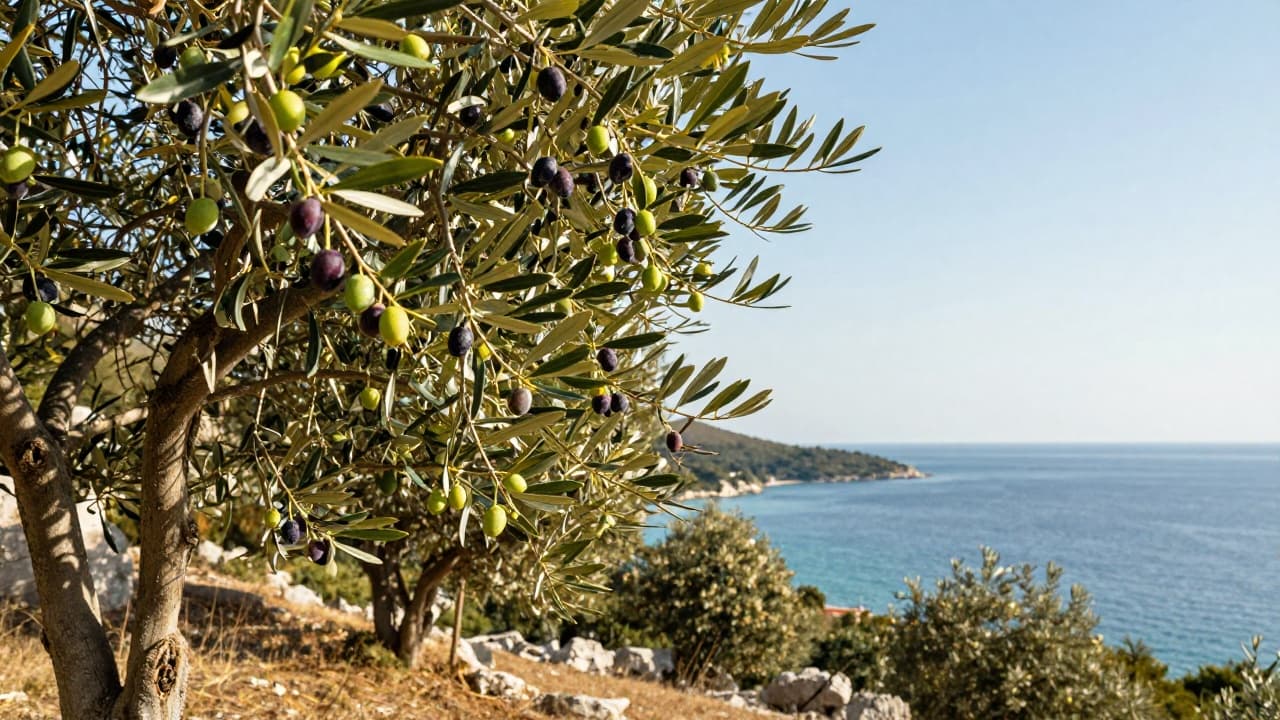
The Ministry of Agriculture, the Directorate for the Support of Agriculture and Fisheries, and its field staff are continuing the implementation of the project 'Determining the technological ripeness of olives in their cultivation area'. The project has been in operation since 2018, ahead of the olive harvest, with the aim of providing olive growers with recommendations for timely harvesting.
The project utilises near-infrared spectroscopy (NIR), specifically Diode Array Near-Infrared (DA NIR), to determine the oil content in the dry matter of the fruit. This indicator is stable and does not change as the fruit weight increases, making it a reliable measure for assessing ripeness.
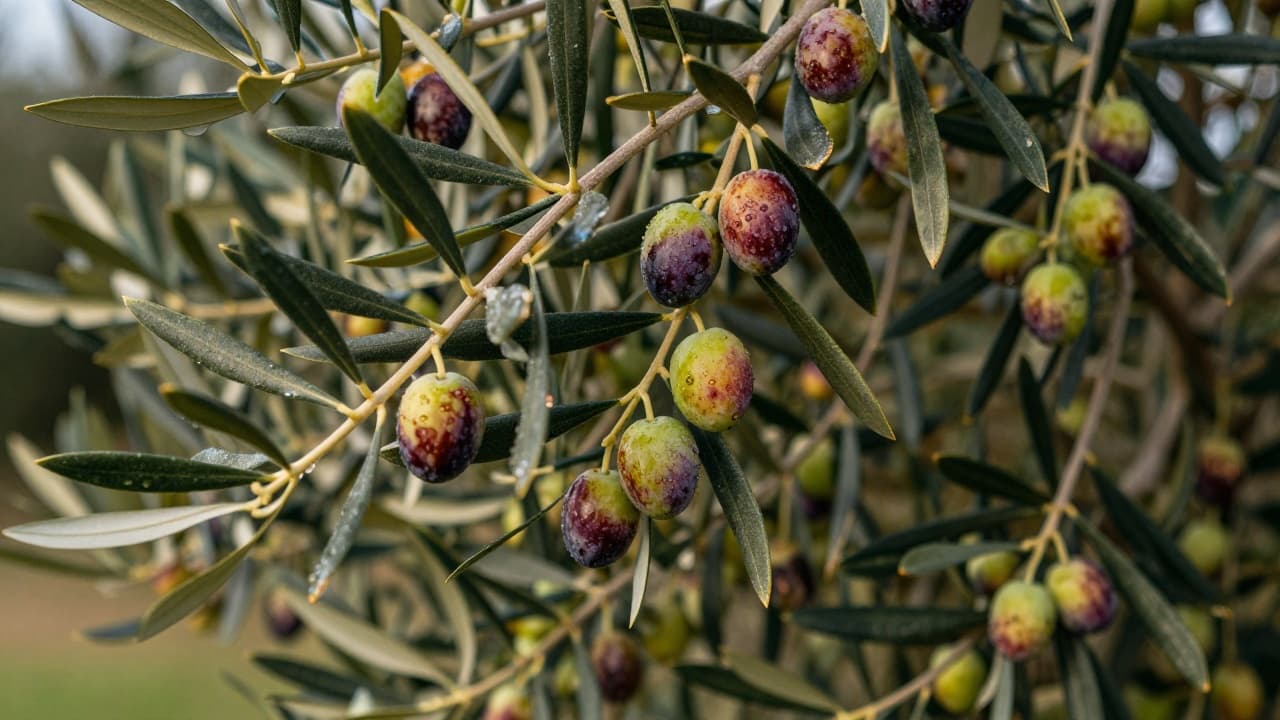
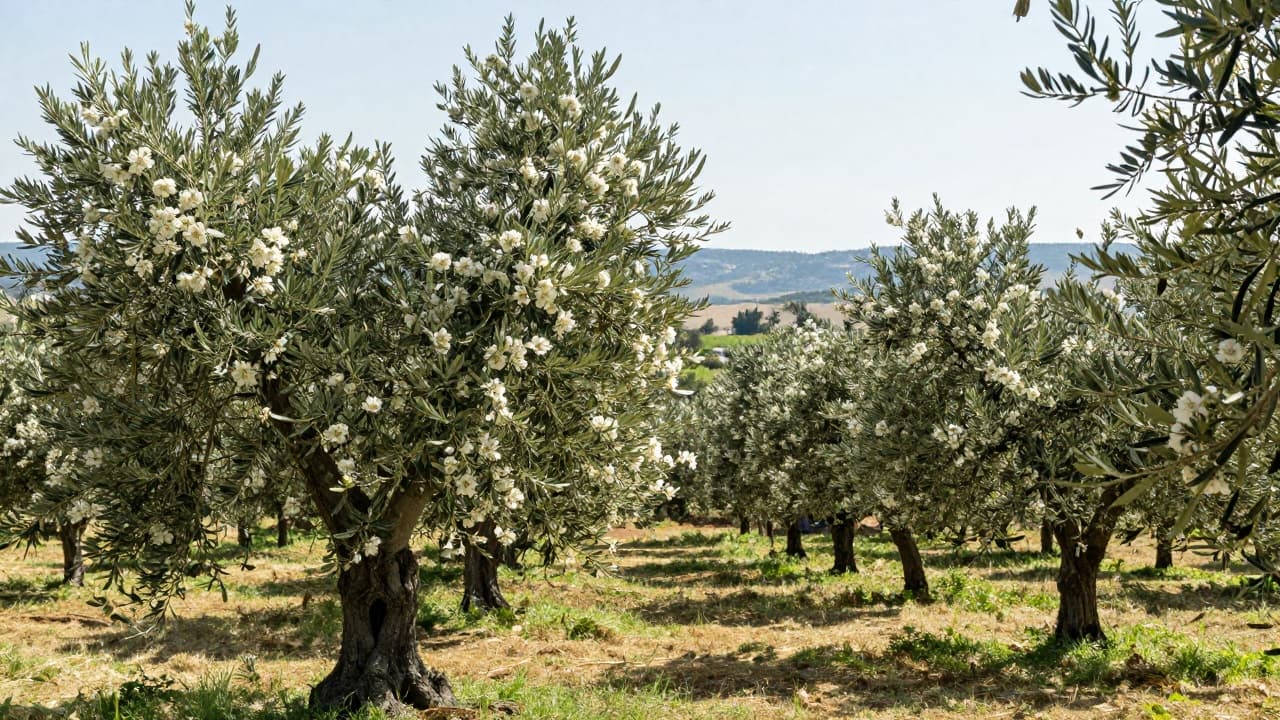
Sampling for this test began on 7 September 2026 and is planned to conclude when the olives reach their maximum oil content, which is expected to be around 23 November 2026, depending on the variety and cultivation area. Analysis is carried out every 7 days across 13 cultivation areas along the coast: the western coast of Istria (northern and southern parts), the Croatian Littoral (islands of Krk and Rab), northern Dalmatia (Zadar and Šiben-Knin counties), central Dalmatia with the islands of Brač and Hvar, the Pelješac peninsula, and the island of Korčula. The sampling covers the varieties buža, istarska bijela, leccino, leccia, mašnica, crvenica, levantinka, lastovka, and drobnica.
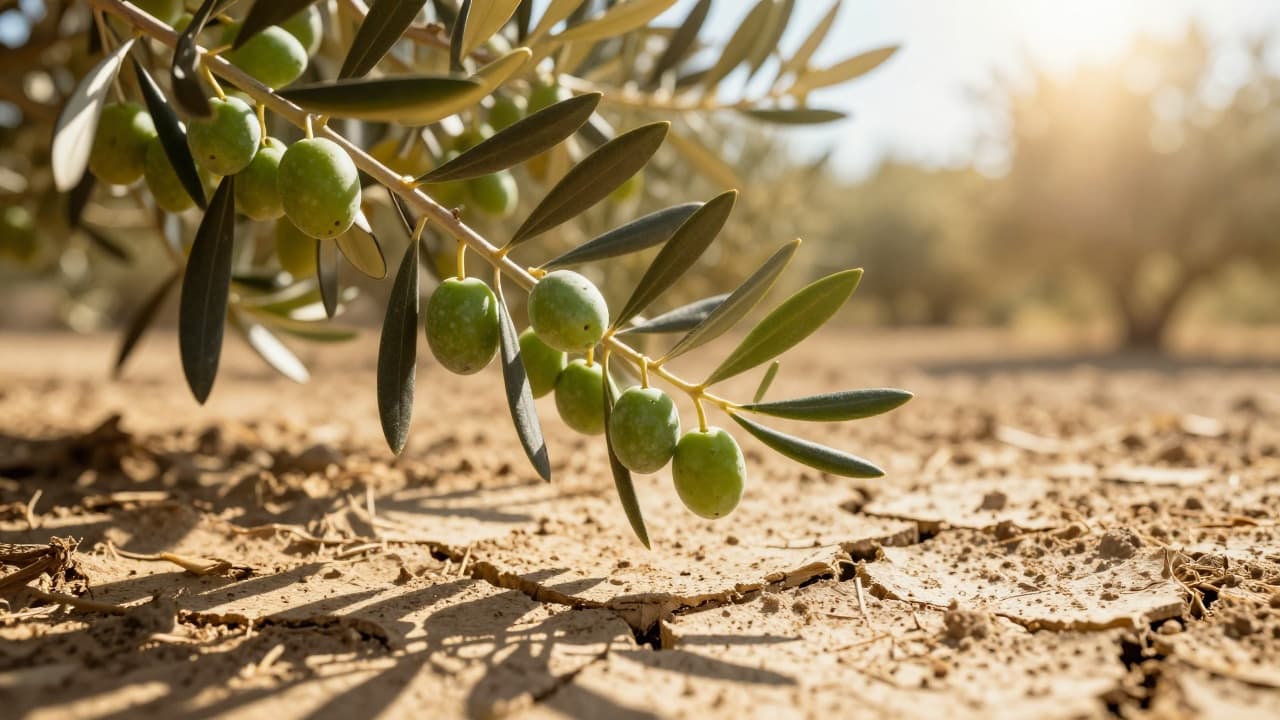
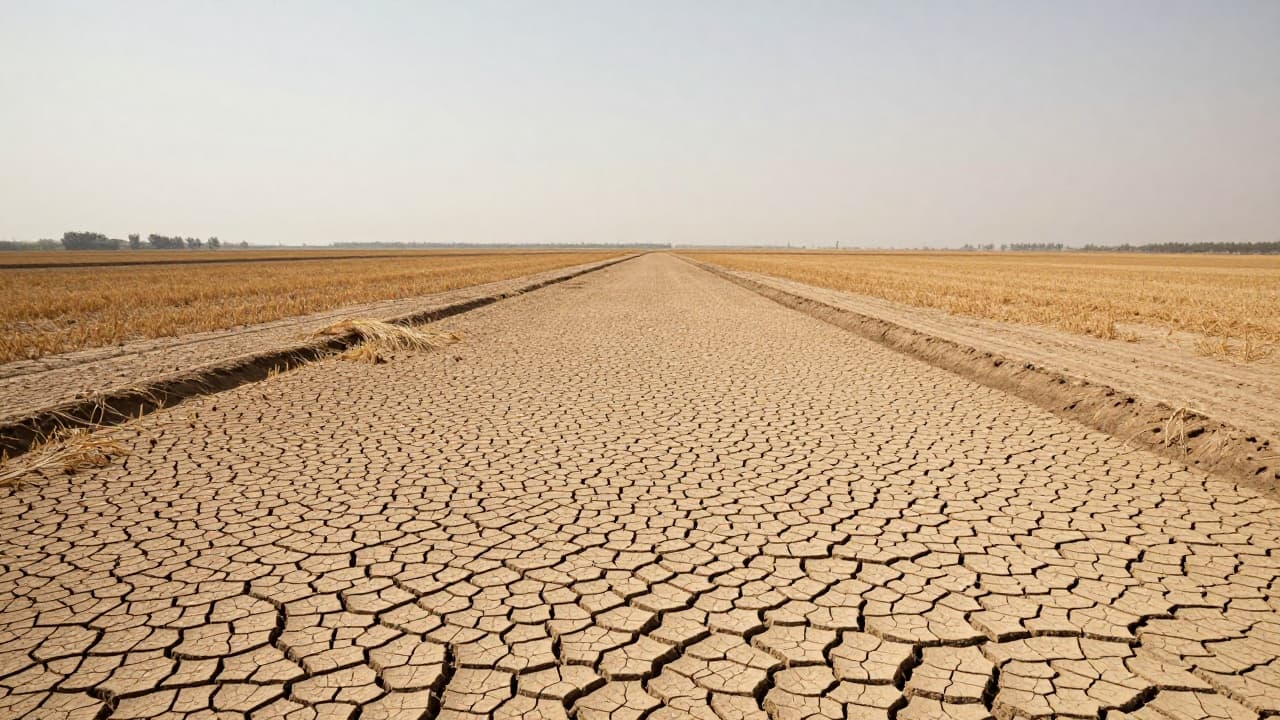
The overall situation in olive-growing areas in the Republic of Croatia is characterised by drought, or a chronic lack of water. Following recent adequate rainfall, which was abundant in some places, the olive trees are recovering. The current phase is one of mass accumulation, primarily through the rapid uptake of water. Olive trees that have suffered from drought will absorb water quickly, so the situation will appear satisfactory at first glance, but the creation of quality dry matter, from which quality oil is derived, is questionable.
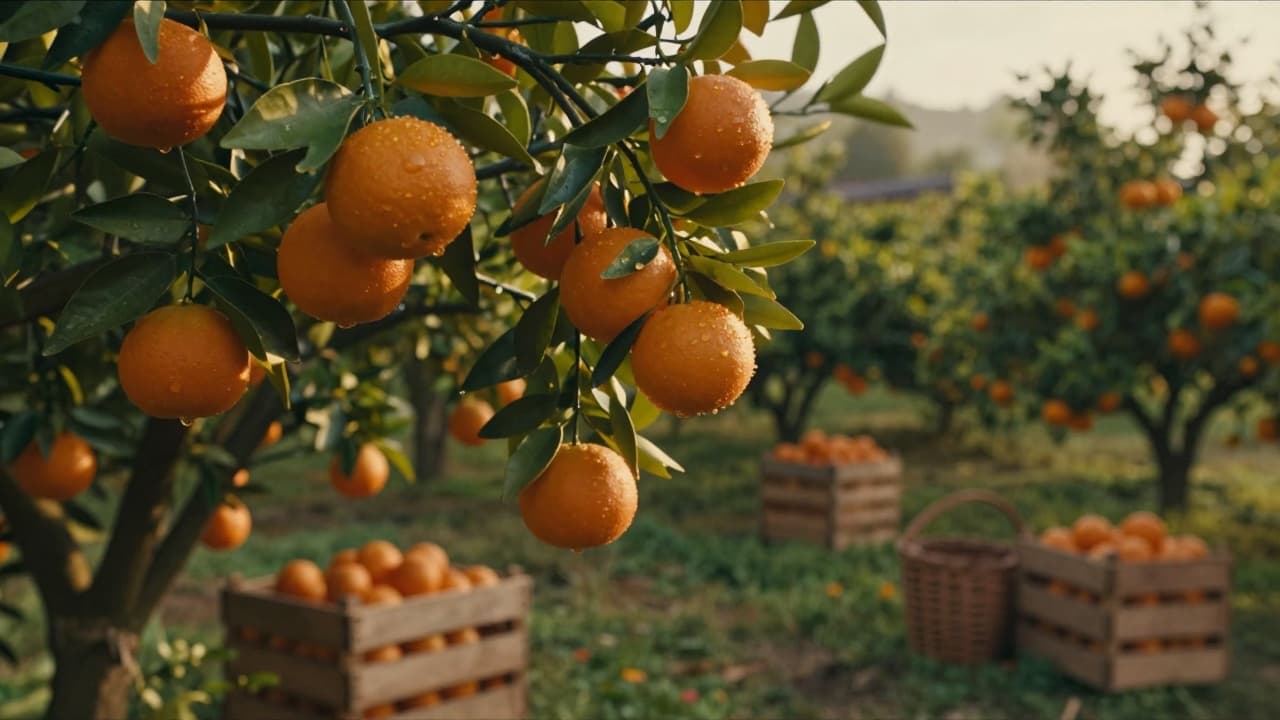
The optimal harvest date for most varieties will not be imminent. After the rains, treatment against pests is recommended to allow the olive trees sufficient time for gradual ripening, with additional treatment of the olive groves with protective agents having a 25-day waiting period. The optimal harvest date is not expected before, except for the varieties leccia and istarska bijela, which have experienced optimal conditions and irrigation. Olive growers should not rush the harvest, as there are few pests, only a negligible number, but the groves must still be monitored carefully. The analysed fruit is perfectly healthy.
This rain, which has been falling or is currently falling, further increases the mass of the olives, but harvesting would only reduce the quality and quantity of the oil. The fruit is still hard and firmly attached to the stem, and harvesting would cause damage to the branches, which would favour the development of diseases in the tree. For the current year 2026, growers should monitor two basic parameters of yield and quality to decide on the optimal harvest date: oil in dry matter and the weight of the olive fruit. As long as the value of oil in dry matter is rising, it is a sign that the olive is creating oil in the plant cell and harmonising it in taste and aroma, and while the oil is being created, the olive is not ready for picking.