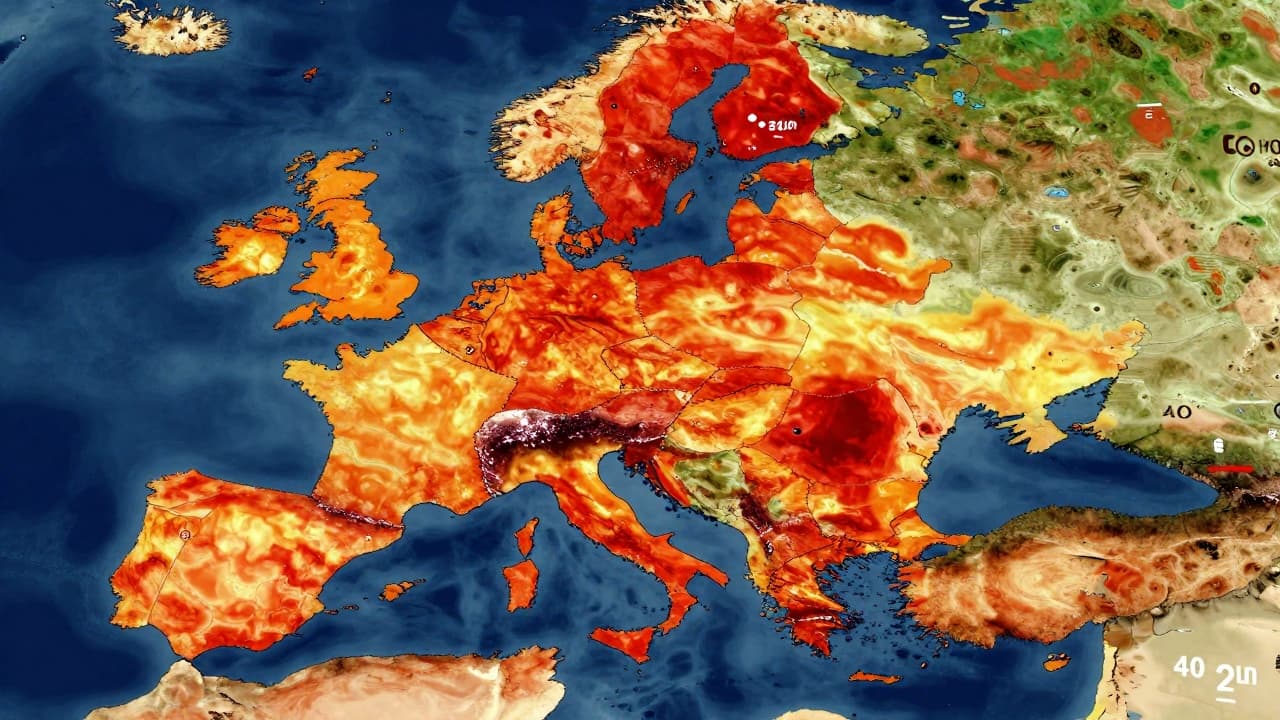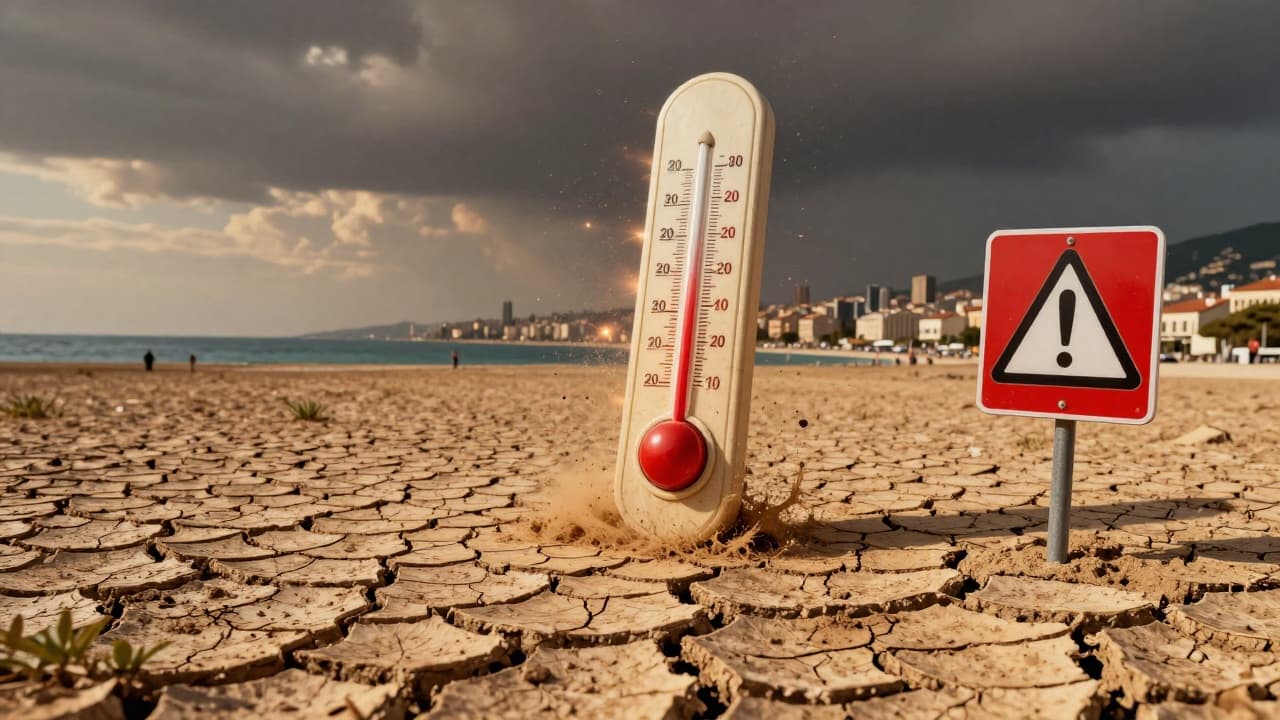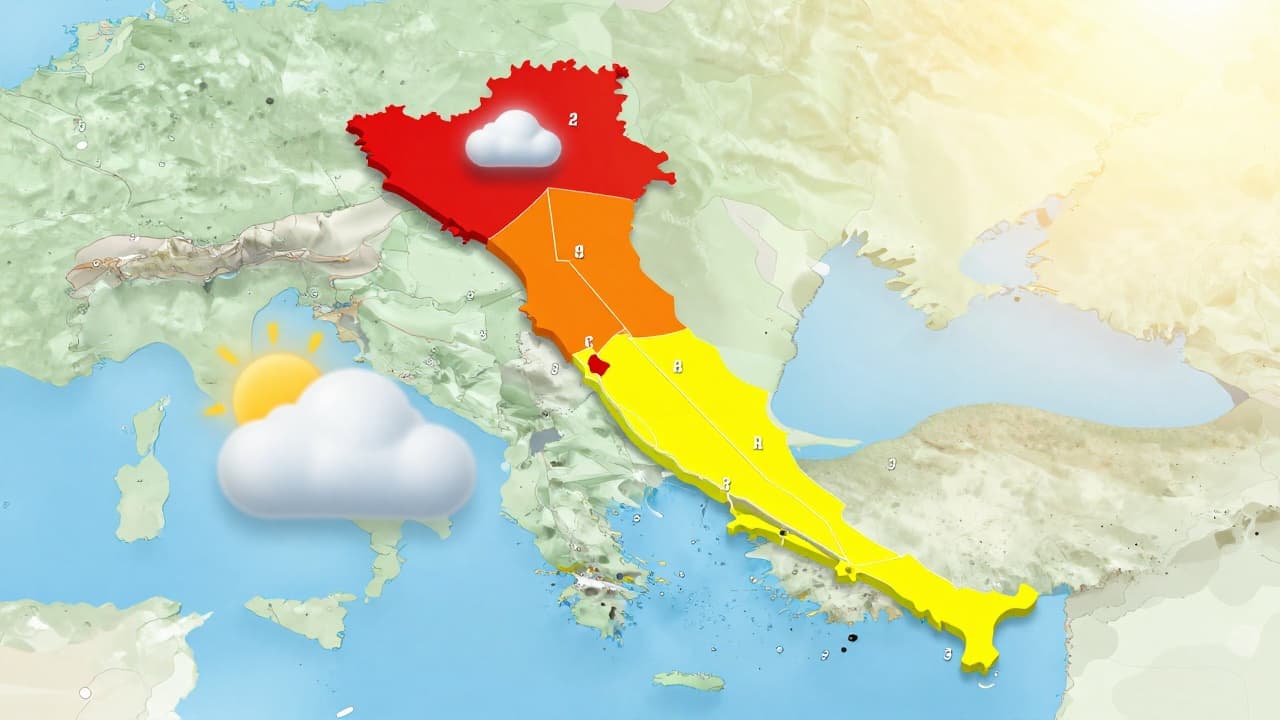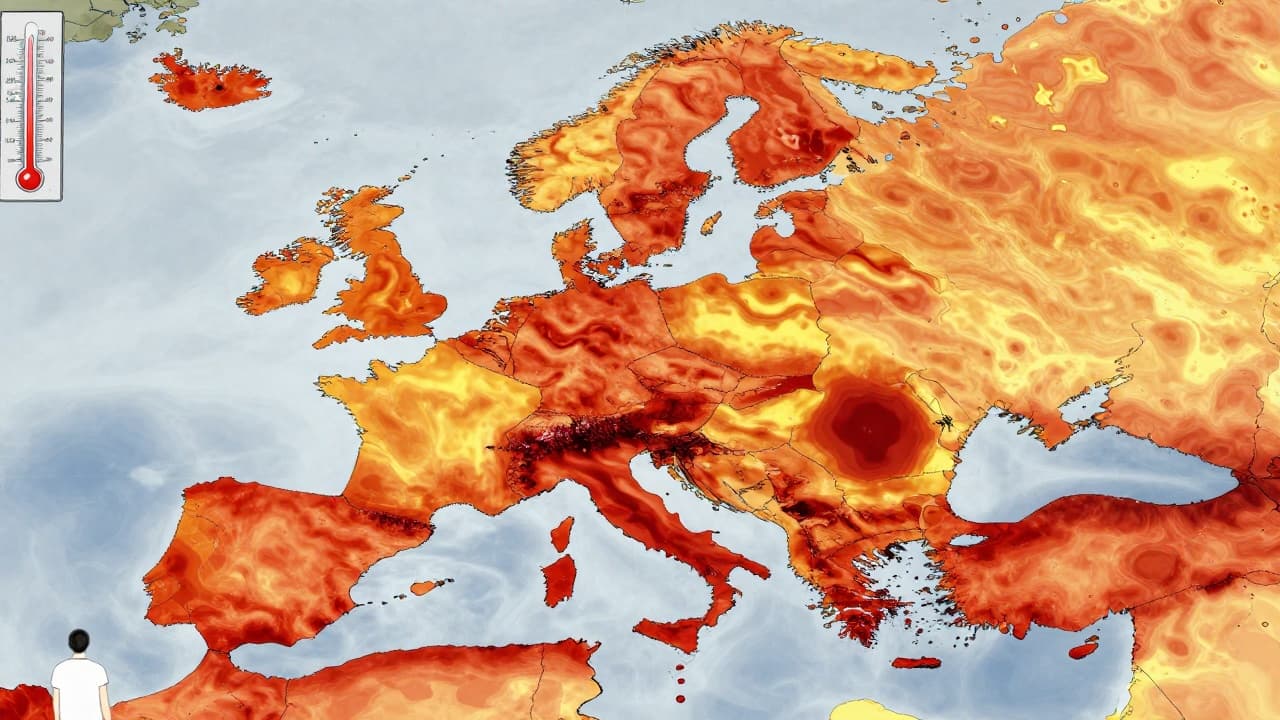
Temperatures in Croatia are showing a significant rise due to increasingly prominent heatwaves, with meteorologists warning of frequent extreme weather events. Projections indicate that the average temperature has seen a significant rise compared to the previous decade, with the warming trend becoming increasingly entrenched. Experts stress that society must prepare for more frequent and intense weather extremes, including prolonged droughts, as well as local heavy rains that can cause flooding.
Analyses by the Croatian Meteorological and Hydrological Service (DHMZ) confirm that the warming trend continues, with summer temperatures expected to rise more than in winter. In August, which recorded the highest increase in average temperatures, most of Croatia experienced record-high averages. For example, in some areas, an average of three to five degrees above the 1991–2020 period was recorded. In cities such as Split and Dubrovnik, temperatures of 40 degrees were recorded, the result of a combination of natural climate change and local conditions.
One of the key indicators of warming is the increase in the number of hot nights. In the period from 1961 to 1990, Zagreb-Maks had an average of two hot nights a year, while Split had 73. In the period 1991–2020, the average number of hot nights rose to 5 in Zagreb-Maks, and 83 in Split. In the period 1997–2026, Maks had an average of eight hot nights, while Split had almost 89. In Zagreb, the warming is aided by the urban heat island effect, which further intensifies heatwaves in urban areas.
The average temperature from the beginning of the year to the end of August was the second highest, with 2024 being warmer. DHMT has classified the summer of 2026 as extremely hot, while in some areas, such as Varaždin and Daruvar, less extreme temperatures were recorded. Although individual hot days are not necessarily proof of climate change, long-term trends clearly point to rising temperatures. Experts stress that, despite annual variations, the warming trend remains unquestioned, requiring society and systems to adapt to new climate conditions.