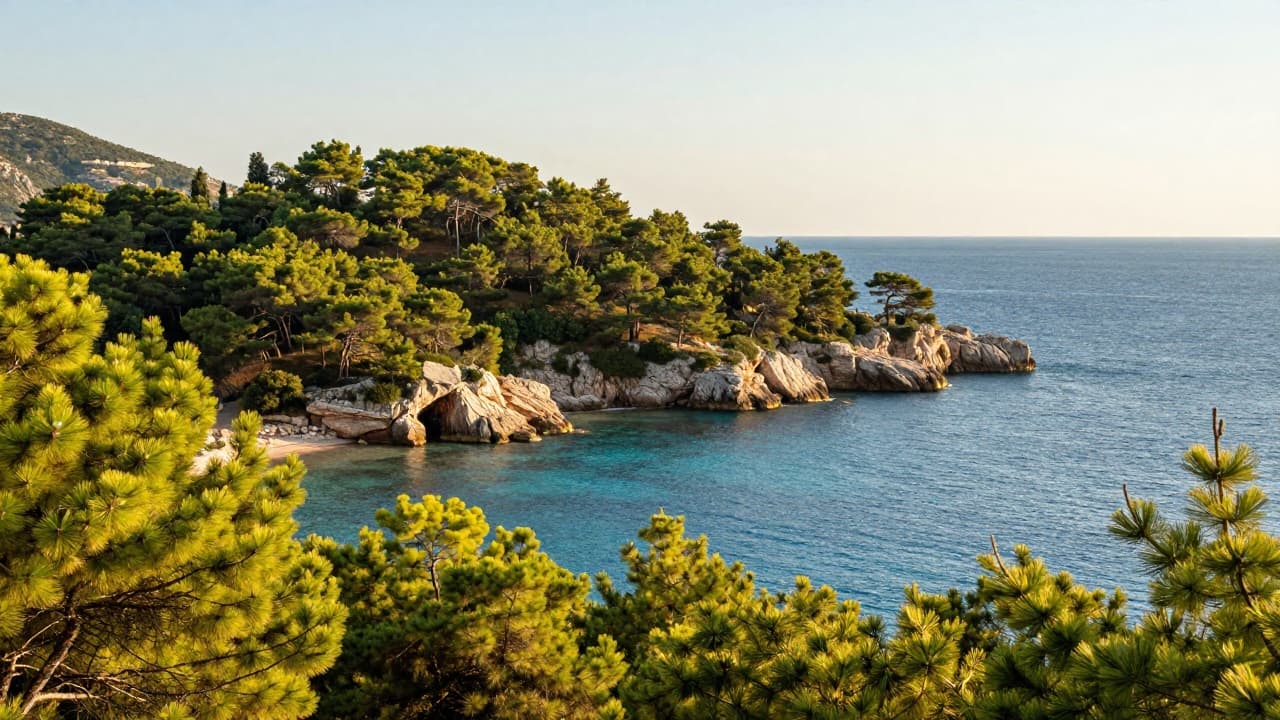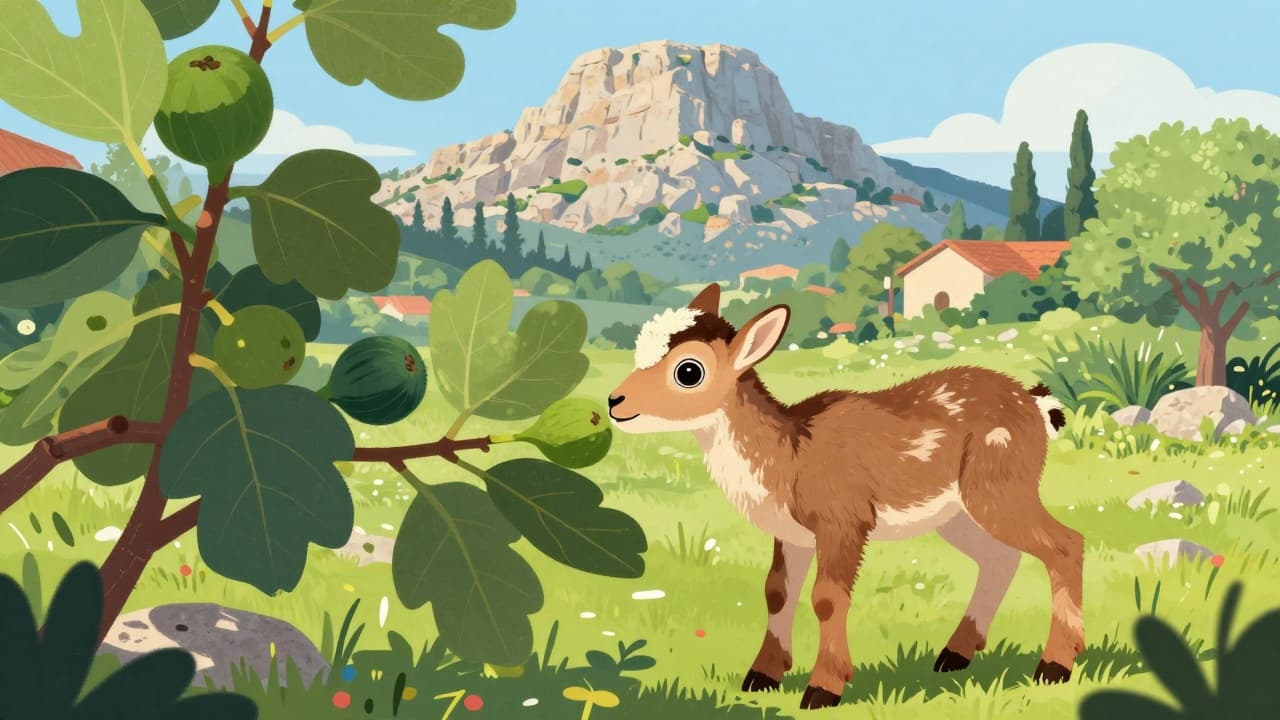
Visitors to Telašćica Nature Park on Dugi Otok found a mouflon lamb trapped between two rocks on Friday. The baby was only a few days old, with its umbilical cord still attached. Had it not been found in time, it would most likely not have survived.
The animal is a female mouflon, a wild sheep, which required constant care and special attention due to its age. Vesna Petešić, a senior expert advisor at Telašćica Nature Park, stated that the lamb was only a week old and that caring for such a small animal demands 24-hour supervision. She added that a return to the wild is currently not possible.
After receiving basic assistance, park staff contacted a veterinarian, who provided instructions on feeding and care. The lamb is not yet capable of surviving independently, so it found a temporary home with a volunteer named Valeri. The young mouflon quickly adapted to its new environment.
Valeri feeds it fresh goat's milk daily, which she sources in the nearby town of Žman. She said the lamb adapted excellently to its temporary habitat within the first few hours and received instructions on how to feed and care for it. Valeri travels each day to the nearby town of Žman to collect fresh goat's milk, which has become the lamb's staple food. The lamb is fed via a teat, just like human babies.
Valeri is in contact with the authorities and will introduce new, age-appropriate food according to their advice. Mouflons are herbivores, and Valeri is a resident of the town of Sali. In the meantime, the lamb has been named Mala Be. Valeri said the lamb bleats like a sheep, with a sound resembling a short, soft 'be'.
Mala Be is currently staying in a secure garden, protected from dangers, including the island's wild goats. It faces several weeks, and possibly months, of recovery and feeding. The goal is to return it to the wild to the place where it was found, when the time is right.
Valeri said that Mala Be has large eyes and looks like a cartoon character, but it is, after all, a mouflon, a wild animal, and this is taken into serious consideration. Staff at Telašćica Nature Park agree with Valeri. They explained that returning to the wild is a long process and it remains to be seen how it will react. There is also a Plan B, which involves integrating it with donkeys that also live in the Telašćica area. Park staff emphasised that such situations are extremely rare.