Verity Went, a 26-year-old from Staffordshire, woke up on 4 October 2023 with an accent she had never possessed before. Instead of the speech characteristic of the area where she grew up, she began speaking with a distinct Geordie accent, associated with Newcastle and north-east England.
Went had been sleeping for a few hours to rest from a migraine. Upon waking, she was initially unable to speak clearly. "After a few hours I woke up and my speech was slurred, but after five minutes my speech came back, but I sounded as if I was from Newcastle (the so-called Geordie accent)," Went stated.
She immediately sought medical help. She had previously been diagnosed with functional neurological disorder, and doctors considered the possibility that the new difficulties were linked to this condition rather than a stroke. The unexpected accent also surprised her doctor. "I went straight to the doctor, and because they already knew about my FND (functional neurological disorder), they assumed it was that, not a stroke," Went said. "The doctor was completely shocked; when I asked her what to do, she said she had heard of such cases but had never seen one in person, and referred me to hospital."
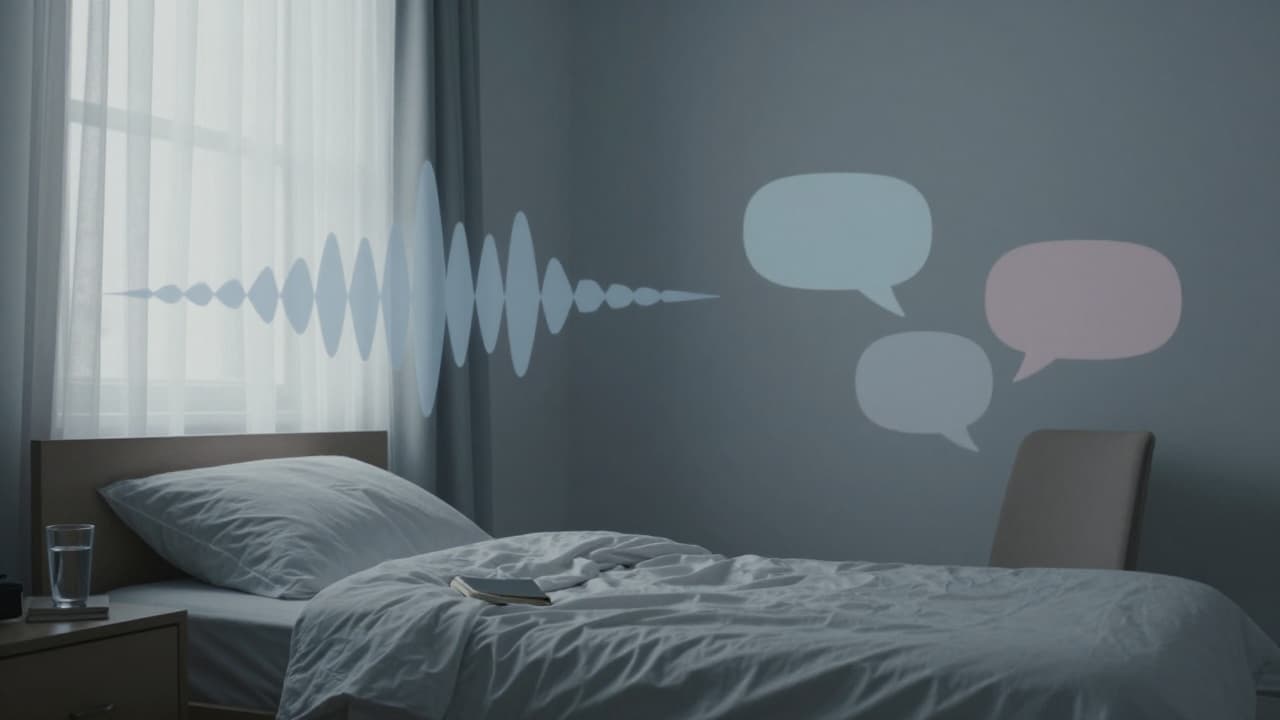
She later learned that she suffered from a rare condition known as foreign accent syndrome. This is a speech disorder in which the acoustic characteristics of speech, such as rhythm, stress and pronunciation, change. With this syndrome, a person may sound as if they are from another part of the country or the world. The condition is extremely rare and can be associated with various neurological states, sometimes appearing after a stroke or brain injury, and can also be linked to functional neurological disorder.
In functional neurological disorder, there are difficulties in the way the nervous system manages certain body functions. Symptoms are real and can significantly affect daily life, even if they cannot be explained by usual structural brain damage. The way the disorder develops and how long it lasts varies from person to person.
Went, who works as a hairdresser and content creator, spoke about her experience to the portal creatorzine.com. Over time, she adapted to the new way of speaking, and support from family and friends made the adjustment easier. Her closest relatives have become accustomed to her new voice, and some believe her current accent suits her better than her original one. "Now, after time has passed, I love my voice. It has become part of who I am. My friends and family are now completely used to it; they say it is the 'real me' and that this accent suits me better than the one I had before," she stated.
Went claims that the new accent appears even in her dreams and in her internal monologue. She believes the change may be permanent. "I feel as if this is now my voice," she said. "I have become so used to it that if it were to revert to my original accent, it would be equally difficult for me to readjust." She added: "Doctors have told me that foreign accent syndrome is usually long-lasting, if not permanent, and I hope it will not change again. The mental effort is extremely hard and I would not want to go through it again. I believe the condition is permanent because the accent has changed in my internal monologue, and even in my dreams."
She says today that the experience has changed her view of people and life. She has become more open towards others, finds it easier to accept unforeseen circumstances and values what she has more. "I cannot believe that three years have already passed. When something so rare and, I would say, incredible happens to you, time seems to stand still," Verity Went stated.