The unusually strong El Niño phenomenon has brought a range of exotic species to the California coast, from tropical fish to venomous sea snakes. El Niño is a natural phenomenon that occurs every few years and brings warmer water from the south to the north, along with it tropical species.
Among the new visitors to California waters are the longfin bigeye, first recorded in California last month, flying fish, and manta rays. Near the coast swim whale sharks, the gentle giants and the largest fish in the world, and hammerhead sharks which look imposing. A venomous yellow-bellied sea snake also swam ashore, which has venomous fangs but cannot swim like a great white shark. One, a snake that appeared sick, swam ashore in September in Orange County, and a beachgoer used a palm leaf to lift it from the sand and return it to the sea.
Experts have confirmed that the species in question is the yellow-bellied sea snake, Hydrophis platurus. William Ludt, assistant curator of ichthyology at the Natural History Museum of Los Angeles, said that based on the video footage taken on a mobile phone, he had no doubt about the identification of the species. In California, only six or seven observations of this species have been confirmed, with the last confirmed observation recorded during the 2015-2016 El Niño.
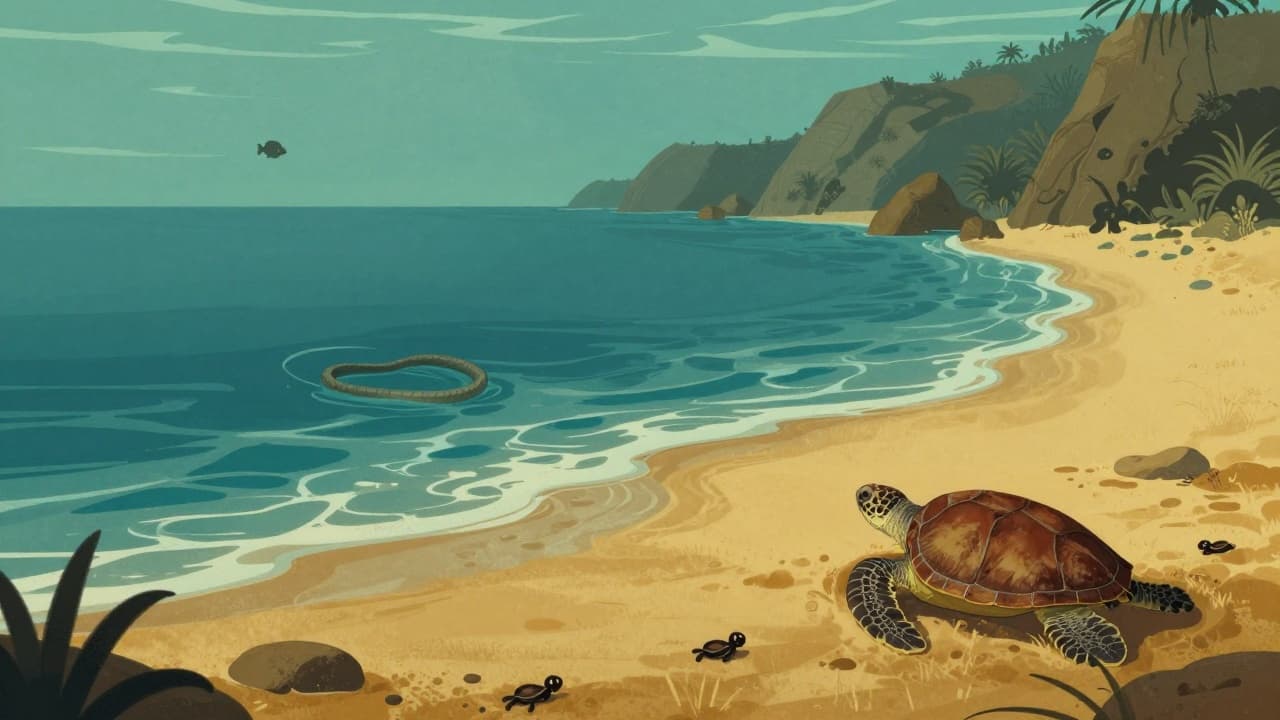
In September, two nests of olive ridley sea turtles were found on two beaches in Orange County, representing the first recorded nesting of any sea turtle species on the US West Coast, according to data from the National Oceanic and Atmospheric Administration (NOAA). The first nest was discovered by a beachgoer in Seal Beach on 16 September, and the second was found three days later by rescue workers on the adjacent Huntington Beach, officials said.
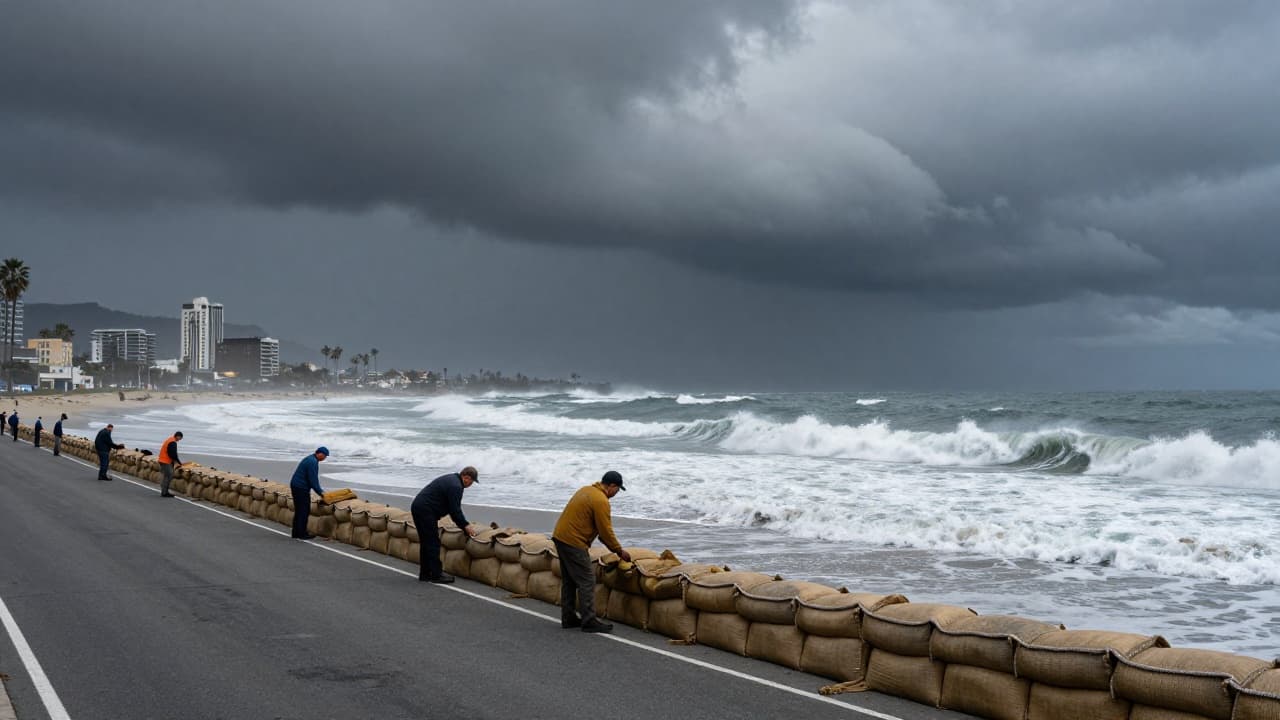
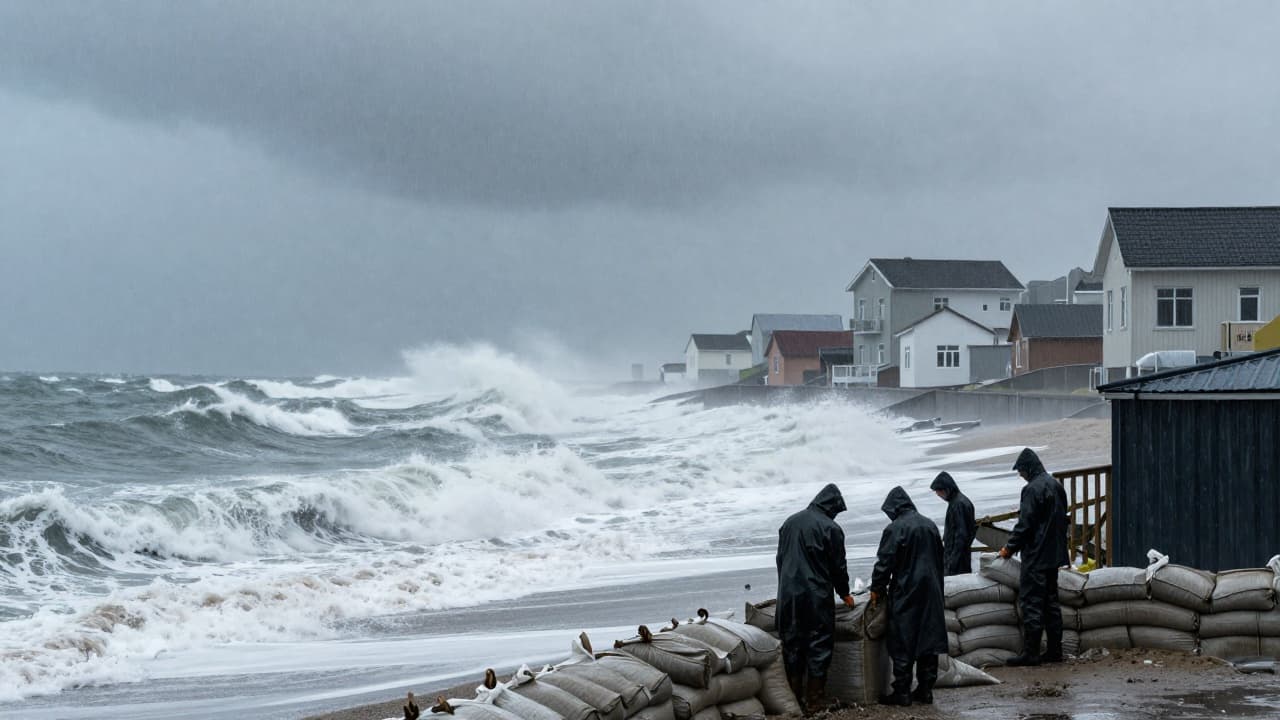
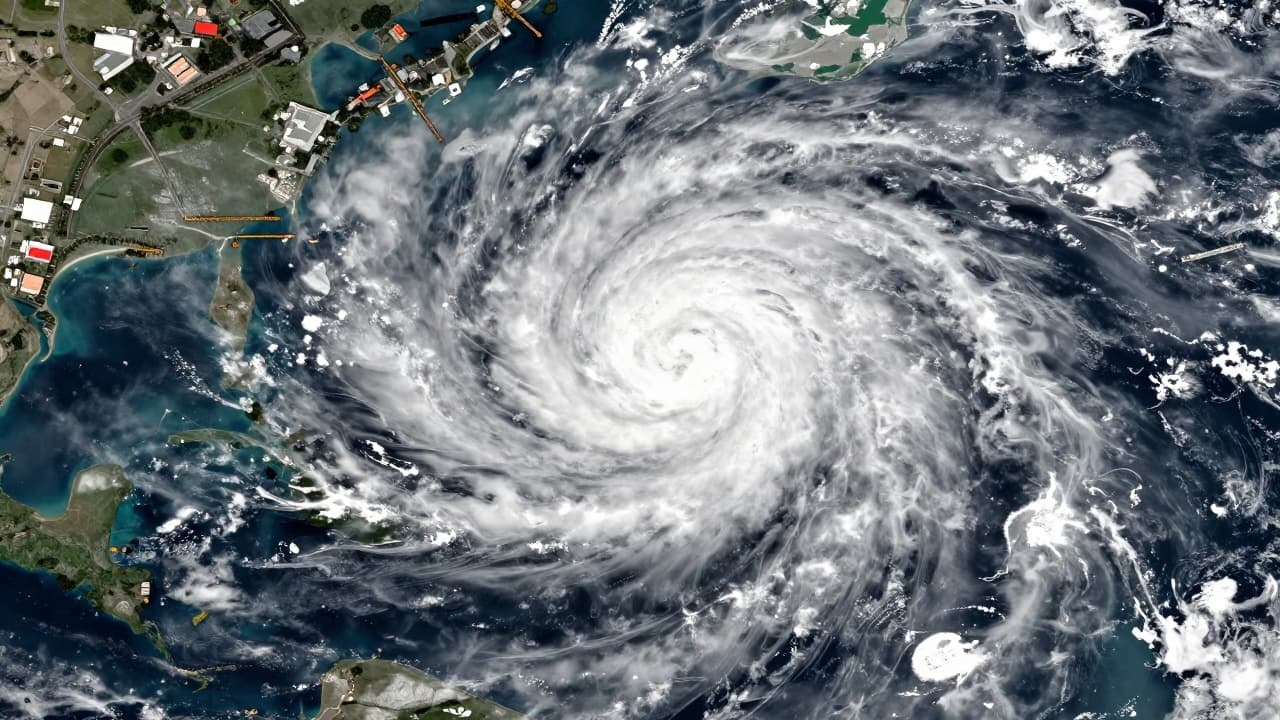
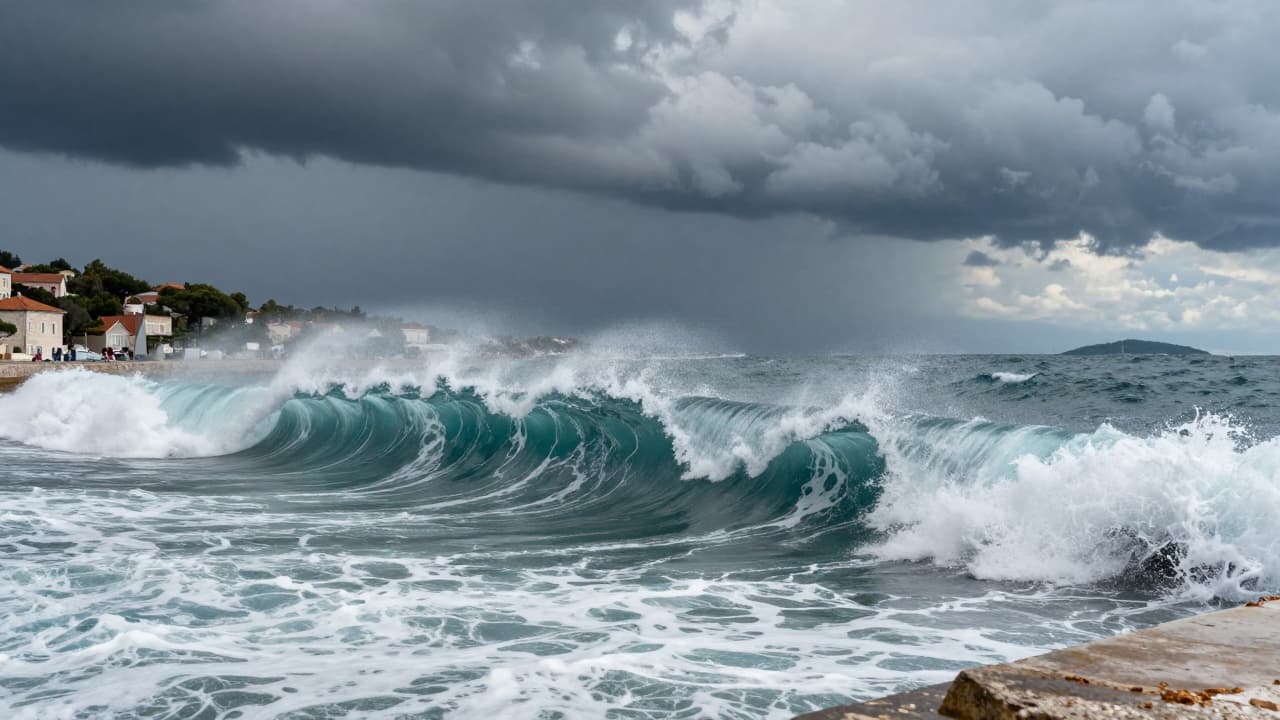
California was already facing an unusual marine heatwave before the arrival of El Niño, and this year's phenomenon coincided with a series of hurricanes in the eastern Pacific. The hurricanes contributed to rising sea levels and created large waves that damaged homes and, in some places, washed away sand from the beaches of southern California. In anticipation of further consequences over the winter, California has declared a state of emergency.
Chris Lowe, director of the Shark Lab at California State University, Long Beach, said that the situation was good for some species of sharks, but bad for others. "The greater problem is for animals that cannot move, is it not? Most sharks are very mobile. They can simply move to a different location," said Lowe. Scientists expect that conditions will return to normal after the El Niño passes next year, but the greatest short-term damage could hit the kelp forests, which thrive in cooler waters and provide habitat for many species. Ludt concluded: "We have not yet fully passed through this phenomenon; it is still very much present."